

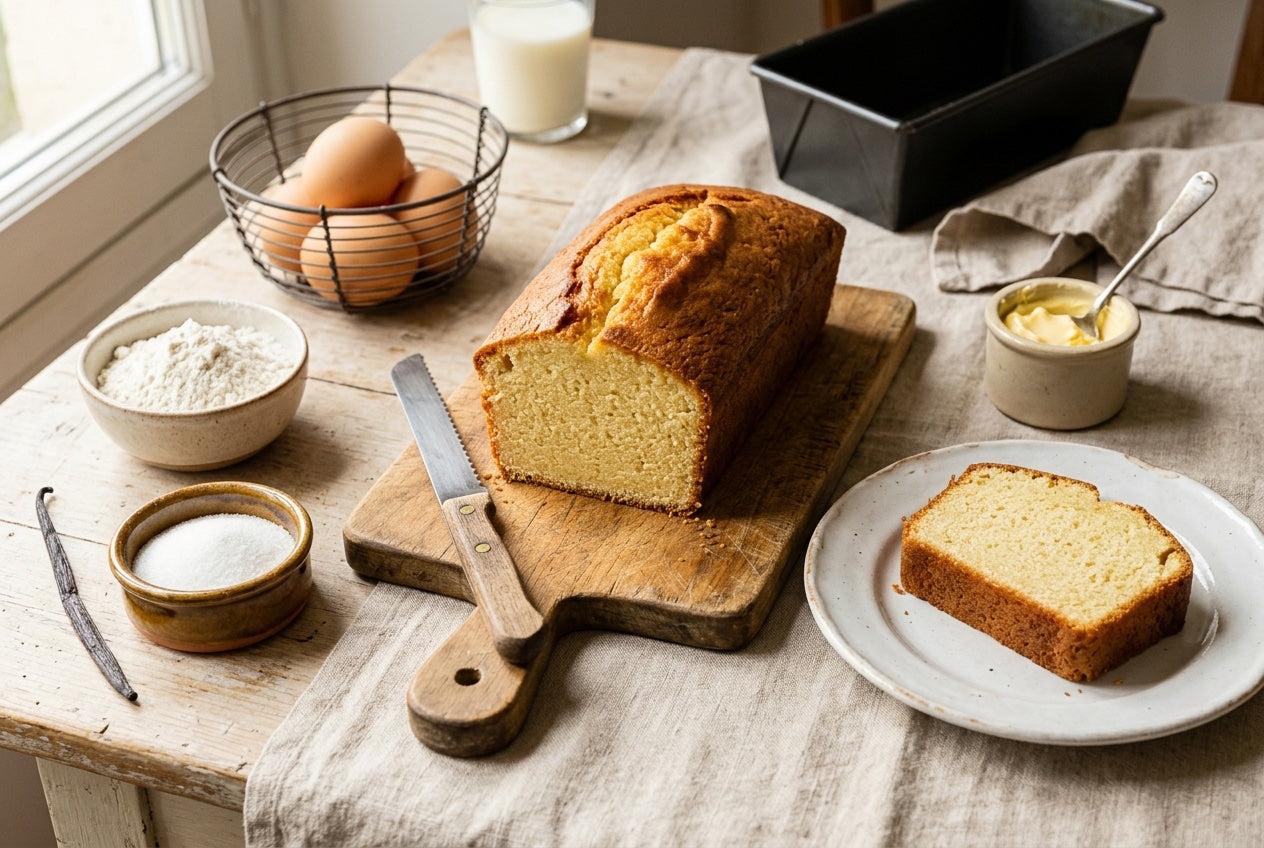
No-Fail Pound Cake is a timeless homemade dessert known for its rich buttery flavor, tender crumb, and beautifully golden crust. This classic cake is perfect for anyone who wants reliable baking results without complicated techniques or fancy ingredients. With a few pantry staples, including butter, sugar, eggs, and flour, you can prepare a delicious cake that is equally suitable for afternoon tea, family gatherings, birthdays, and special celebrations.
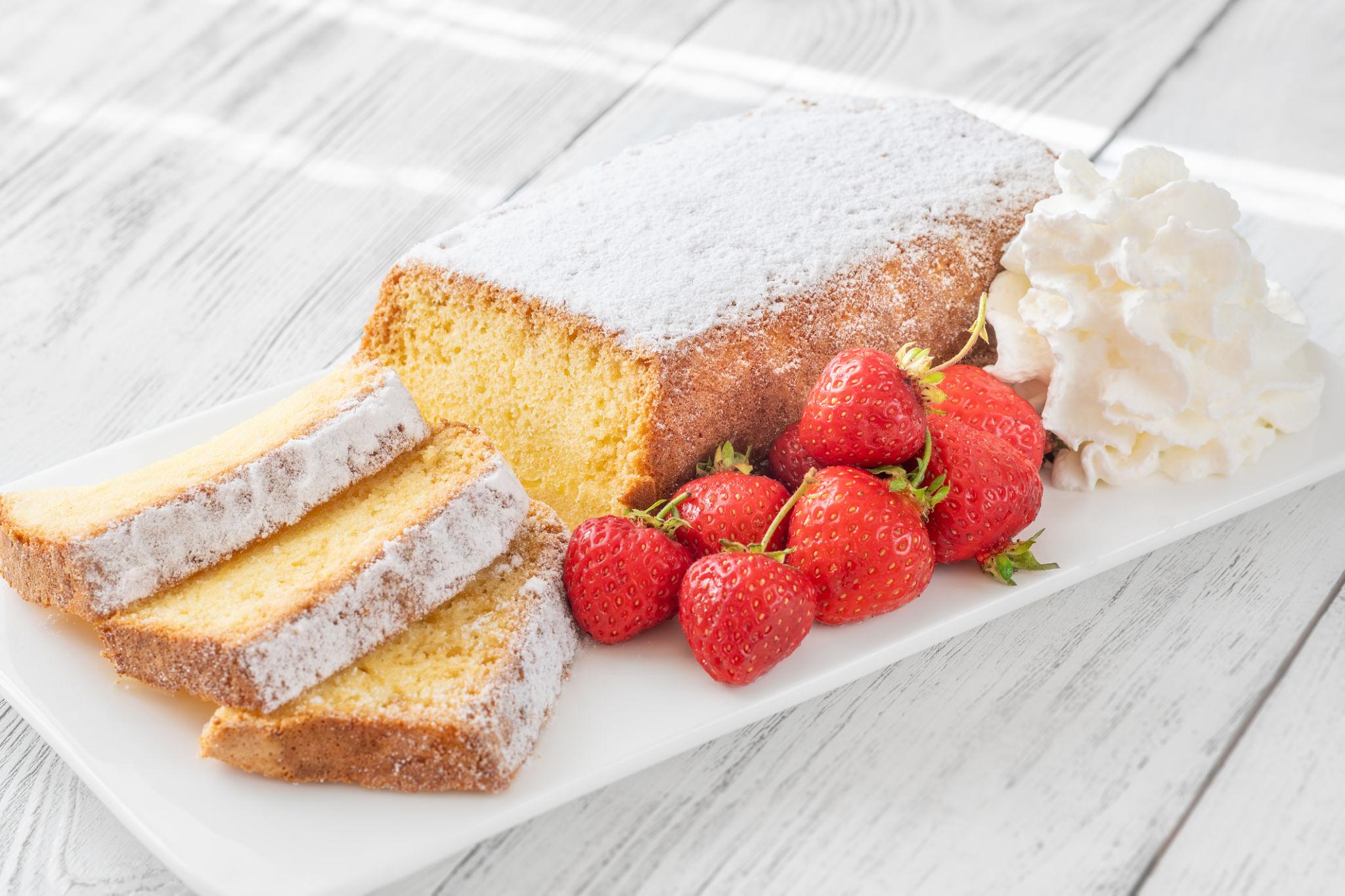
No-Fail Pound Cake:
What makes this no-fail pound cake special is its simple preparation and dependable texture. Creaming butter and sugar properly creates a light foundation, while adding eggs gradually helps produce a smooth batter. A touch of vanilla enhances the buttery flavor, and baking the cake at the right temperature allows it to develop a golden exterior while remaining soft and moist inside. Each slice is rich enough to enjoy on its own but versatile enough to pair with fruit, whipped cream, or a drizzle of chocolate.
Another reason this recipe deserves a place in your baking collection is its adaptability. You can serve the cake plain for a traditional homemade treat or customize it with lemon zest, almond extract, fresh berries, or a simple glaze. Whether you are a beginner learning to bake or an experienced home cook looking for a dependable classic, this no-fail pound cake offers comforting flavor and an elegant presentation with minimal fuss.
History of Pound Cake:
Pound cake has a long history dating back to Europe in the early 1700s. The original recipe was famously simple, traditionally using one pound each of butter, sugar, eggs, and flour. This easy-to-remember ratio made the cake popular among home bakers because it required no complicated measurements or specialized baking equipment.As the recipe spread across Europe and North America, bakers began adjusting the ingredients to create lighter textures, richer flavors, and different cake sizes. Vanilla, lemon zest, milk, and other flavorings were introduced to make the traditional recipe more versatile. Baking powder also became common in many modern versions, helping produce a softer, more tender crumb.Today, pound cake remains a beloved homemade dessert. The no-fail version preserves the traditional buttery flavor while using straightforward techniques that help beginners achieve consistent results. It can be enjoyed plain, toasted with butter, served with fresh berries, or dressed up with whipped cream and fruit sauce.
Subscribe to our youtube channel Kitchenpedia for more delicious recipes and hit the like button if you enjoyed this youtubevideo. Share it with your friends and Family.
No-Fail Pound Cake

Ingredients
- 1 cup (225 g) unsalted butter, softened
- 1¾ cups (350 g) granulated sugar
- 4 large eggs, at room temperature
- 2 cups (250 g) all-purpose flour
- ½ cup (120 ml) whole milk, at room temperature
- 2 teaspoons vanilla extract
- 1 teaspoon baking powder
- ¼ teaspoon salt
Instructions
- Preheat your oven to 325°F (165°C). Grease and lightly flour a 9-by-5-inch loaf pan, or line the bottom with parchment paper. Make sure the pan is ready before mixing the batter.
- In a medium bowl, whisk together the flour, baking powder, and salt. Mixing these ingredients separately helps distribute the leavening agent evenly throughout the cake.
- Place the softened butter and granulated sugar in a large mixing bowl. Beat with an electric mixer for approximately 3–5 minutes, until the mixture becomes pale, light, and fluffy. This step helps incorporate air into the batter and contributes to a tender texture.
- Add the eggs one at a time, beating well after each addition. Scrape the sides of the bowl as needed. If the mixture looks slightly curdled, adding the flour mixture gradually should help bring the batter together.
- Add the dry ingredients in three portions, alternating with the milk in two portions. Begin and finish with the flour mixture. Mix on low speed only until the ingredients are combined, then stir in the vanilla extract.
- Transfer the batter to the prepared loaf pan. Smooth the surface with a spatula and gently tap the pan on the counter once or twice to release large air pockets.
- Place the pan on the center rack and bake for approximately 60–75 minutes. Baking time can vary depending on the pan and oven. Begin checking around 60 minutes by inserting a toothpick into the center. It should come out clean or with a few moist crumbs.If the top becomes too dark before the center is cooked, loosely cover it with aluminum foil and continue baking.
- Remove the cake from the oven and allow it to rest in the pan for 10–15 minutes. Carefully turn it out onto a wire rack and let it cool completely before slicing. Cooling helps the crumb set and makes it easier to cut neat slices.
- Slice the cooled pound cake with a sharp serrated knife. Enjoy it plain or serve it with fresh strawberries, whipped cream, vanilla ice cream, or a light dusting of powdered sugar.
Notes
- Use softened butter: Butter should be soft enough to leave a slight indentation when pressed but should not be melted.
- Bring ingredients to room temperature: Room-temperature eggs and milk blend more smoothly with the butter mixture.
- Measure flour accurately: Too much flour can make the cake dense and dry. Spoon it into the measuring cup and level the top.
- Cream the butter and sugar properly: Allow enough time for the mixture to become pale and fluffy.
- Add eggs gradually: Adding one egg at a time helps maintain a smooth batter.
- Avoid overmixing: Excessive mixing after adding the flour can develop too much gluten and affect the texture.
- Check for doneness carefully: Oven temperatures vary, so use a toothpick rather than relying entirely on the clock.
- Cool before cutting: Slicing the cake while hot may cause it to crumble or appear gummy.
Tips for Pound Cake:
- Choose good-quality butter: Since butter is a major flavor component, a good-quality unsalted butter makes a noticeable difference.
- Use a kitchen scale: Weighing the flour and sugar helps improve consistency from one batch to the next.
- Scrape the bowl frequently: This prevents pockets of unmixed butter or flour from remaining in the batter.
- Create a bakery-style crust: Bake at the recommended moderate temperature rather than increasing the heat to speed up the process.
- Add lemon zest: A teaspoon of finely grated lemon zest creates a bright flavor that complements the buttery cake.
- Prevent overbrowning: If the top browns too quickly, cover it loosely with foil during the later part of baking.
- Use the right pan size: A pan that is too small may cause overflow, while a much larger pan can produce a thinner cake that bakes faster.
- Let the flavor develop: Pound cake often tastes even better the following day because the buttery flavor has time to settle and deepen.
FAQs for No-Fail Pound Cake:
1. Why did my pound cake turn out dense?
A dense cake can result from insufficient creaming, cold ingredients, inaccurate flour measurements, or overmixing. Cream the butter and sugar thoroughly and mix gently once the flour is added.
2. Why did my pound cake crack on top?
A crack along the top is common in pound cakes. The outside of the cake sets before the center finishes rising, creating a natural split. It is usually a sign of normal baking rather than a problem.
3. How do I keep pound cake moist?
Measure the ingredients carefully, avoid overbaking, and store the completely cooled cake in an airtight container. Adding the correct amount of butter and milk also helps maintain a tender crumb.
4. Can I make pound cake without baking powder?
Yes, but the texture may be heavier. This recipe uses baking powder to help create a more beginner-friendly result, so omitting it may change the rise and crumb.\
5. Can I use salted butter instead of unsalted butter?
Yes. Use the same quantity of salted butter and omit the additional salt in the recipe. The flavor may vary slightly depending on the butter brand.
6. How do I know when my pound cake is fully baked?
Insert a toothpick into the center of the cake. If it comes out clean or with a few moist crumbs and no wet batter, the cake is ready. The surface should be golden, and the center should feel set.
7. How should I store pound cake?
Store the completely cooled cake in an airtight container at room temperature for approximately 3 days, provided the environment is cool and dry. Refrigeration can extend storage, but it may make the cake firmer.
8. Can I freeze pound cake?
Yes. Wrap the completely cooled cake or individual slices tightly in plastic wrap, then place them in a freezer-safe container or bag. Freeze for up to 2–3 months for best quality and thaw before serving.
9. Can I add chocolate chips or nuts?
Absolutely. Fold approximately ½ cup of chocolate chips, chopped pecans, or walnuts into the finished batter. Avoid adding too much, as heavy additions can affect the cake’s structure.
10. What is the best way to serve pound cake?
Pound cake tastes wonderful on its own with tea or coffee. For a more special dessert, serve it with fresh berries, whipped cream, chocolate sauce, lemon glaze, or vanilla ice cream.
Conclusion:
No-Fail Pound Cake is a classic homemade dessert that combines rich buttery flavor, a tender crumb, and a beautifully golden crust. Its straightforward preparation and familiar ingredients make it an excellent choice for beginner bakers and anyone who appreciates traditional baking.Whether you serve it plain with afternoon tea, dress it up with fresh berries and whipped cream, or add your favorite flavor variations, this versatile cake is suitable for everyday treats and special occasions alike. By using room-temperature ingredients, measuring carefully, and avoiding overbaking, you can achieve delicious results with confidence.