

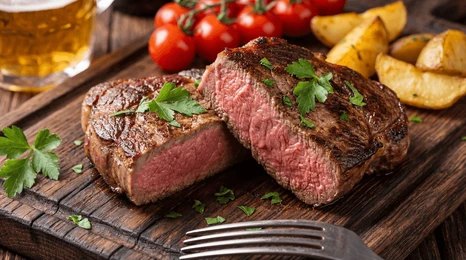
A perfectly cooked rump roast is the epitome of comfort food—rich, hearty, and deeply satisfying. With its bold beefy flavor and tender texture when cooked correctly, this classic roast transforms a simple cut of meat into a memorable centerpiece for family dinners and special gatherings. Whether served with roasted vegetables or creamy mashed potatoes, it never fails to impress.Rump roast, cut from the rear leg of the cow, is naturally lean and flavorful.
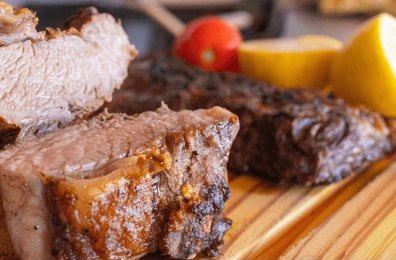
Perfect Rump Roast:
While it may be less tender than premium cuts, slow roasting at the right temperature unlocks its full potential. With the right seasoning and cooking technique, you can achieve a juicy, melt-in-your-mouth roast every time.This recipe focuses on simplicity and technique—allowing the natural flavors of the beef to shine while enhancing them with aromatic herbs, garlic, and a perfectly caramelized crust. If you’ve ever struggled with tough or dry roast, this method will change everything.
History:
Rump roast has long been a staple in traditional Western cooking, especially in European and American households. Historically, tougher cuts like rump were slow-cooked or braised to maximize tenderness and flavor. In British cuisine, roast beef became a Sunday tradition, while in America, oven-roasted beef became synonymous with holiday feasts and family gatherings. Over time, cooking methods evolved to include precise roasting techniques that preserve moisture and enhance taste.
Subscribe to our youtube channel Kitchenpedia for more delicious recipes and hit the like button if you enjoyed this youtubevideo. Share it with your friends and Family.
Perfect Rump Roast Juicy, Tender, Flavor-Packed

Ingredients
- 1 (3–4 lb) rump roast
- 2 tbsp olive oil
- 4 cloves garlic (minced)
- 1 tbsp salt
- 1 tsp black pepper
- 1 tbsp fresh rosemary (or 1 tsp dried)
- 1 onion (quartered)
- 2 carrots (cut into chunks)
- 2 cups beef broth
Instructions
- Preheat Oven to 325°F (165°C).
- Pat the roast dry with paper towels.
- Rub with olive oil, then season generously with salt, pepper, garlic, rosemary, and thyme.
- Heat a skillet over medium-high heat and sear the roast on all sides until browned.
- Place onions and carrots in a roasting pan; set the roast on top.
- Add beef broth (and Worcestershire sauce if using).
- Cover loosely with foil and roast for 2.5–3 hours, or until internal temperature reaches desired doneness (135°F for medium-rare, 145°F for medium).
- Remove and rest for 15–20 minutes before slicing.
- Slice against the grain and serve with pan juices.
Notes
- Choose a well-marbled roast for better flavor.
- Always bring meat to room temperature before cooking.
- Searing enhances flavor but can be skipped if needed.
- Use a meat thermometer for accuracy.
- Resting is crucial—don’t skip it.
- Slice against the grain for tenderness.
- Add potatoes for a complete one-pan meal.
- Save leftovers for sandwiches or stews.
Tips for Perfect Rump Roast:
- Marinate overnight for deeper flavor.
- Add red wine to the broth for richness.
- Use fresh herbs when possible.
- Baste occasionally for extra moisture.
- Cook low and slow to avoid toughness.
- Tent with foil if browning too quickly.
- Use drippings to make gravy.
- Let roast rest uncovered for a crisp crust.
FAQs for Perfect Rump Roast:
1. Why is my rump roast tough?
It may be undercooked or sliced incorrectly. Cook longer at low heat and slice against the grain.
2. Can I cook it in a slow cooker?
Yes, cook on low for 6–8 hours for very tender results.
3. What temperature is best?
325°F is ideal for even cooking.
4. Should I cover the roast?
Yes, loosely covering helps retain moisture.
5. Can I freeze leftovers?
Absolutely, store in airtight containers for up to 3 months.
6. What sides go best?
Mashed potatoes, roasted veggies, or green beans.
7. How do I make gravy?
Use pan drippings, flour, and broth to create a rich gravy.
8. Can I use dried herbs?
Yes, just use smaller quantities than fresh.
Conclusion:
This Perfect Rump Roast recipe proves that with the right method, even a humble cut of beef can become a show-stopping dish. Slow roasting, proper seasoning, and patience are the keys to achieving a juicy, flavorful roast that your family will request again and again. Whether for a cozy dinner or a festive occasion, this recipe delivers consistent, delicious results.