

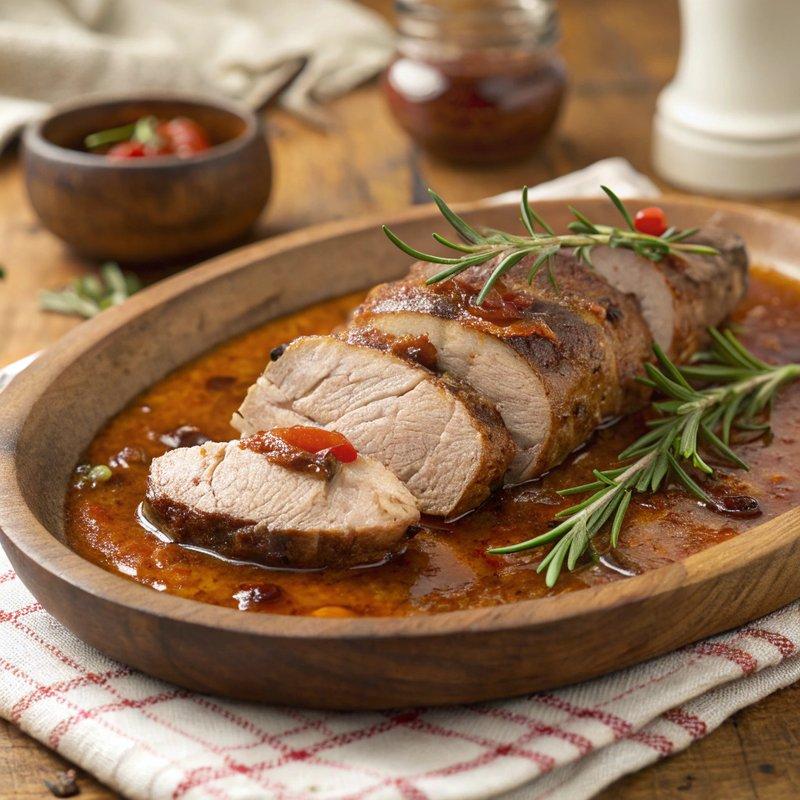
Pork Agrodolce is a flavorful Italian dish that combines tender, golden-browned pork with a delicious sweet-and-sour sauce. The word agrodolce comes from Italian, meaning “sweet and sour,” and perfectly describes the balance of flavors that makes this recipe so special. Prepared with ingredients such as vinegar, honey or sugar, garlic, herbs, and olive oil, this dish delivers a beautiful combination of tanginess, sweetness, and savory richness in every bite.

Pork Agrodolce:
One of the most appealing features of Pork Agrodolce is its versatility. You can prepare it with pork tenderloin, pork chops, or boneless pork loin, depending on your preference. The sauce caramelizes around the meat, creating an attractive glossy finish while keeping the pork moist and flavorful. Some variations include onions, raisins, pine nuts, or fresh herbs, adding extra texture and depth to the traditional Italian-inspired preparation.
Whether you are planning a special weekend dinner, a family gathering, or a satisfying weeknight meal, Pork Agrodolce is an excellent choice. It pairs beautifully with roasted potatoes, steamed rice, sautéed vegetables, or crusty Italian bread. With simple ingredients and straightforward cooking steps, this recipe allows you to bring the warmth and character of Italian cuisine into your own kitchen.
History:
Agrodolce is a traditional Italian sweet-and-sour flavor combination closely associated with Sicilian cooking. Sicily’s culinary history reflects centuries of Mediterranean trade and cultural exchange, including influences from Arab cooking traditions, where sweet-and-sour combinations featuring vinegar, sugar, dried fruits, and spices have long been appreciated.Although agrodolce sauces are used with many ingredients, including vegetables, fish, and poultry, pork is another excellent choice for this style of cooking. The acidity of vinegar balances the richness of the meat, while honey or sugar creates a glossy glaze and adds a gentle sweetness.There is no single universal recipe for Pork Agrodolce. Different Italian households and regions adapt the sauce according to local ingredients and personal preferences. Modern versions may use balsamic vinegar, red wine vinegar, citrus, raisins, or herbs to create their own distinctive balance of flavors.
Subscribe to our youtube channel Kitchenpedia for more delicious recipes and hit the like button if you enjoyed this youtubevideo. Share it with your friends and Family.
Pork Agrodolce

Ingredients
For the pork
- 1½ pounds (680 g) pork tenderloin or boneless pork loin
- 2 tablespoons olive oil
- 1 teaspoon salt, or to taste
- ½ teaspoon freshly ground black pepper
- 3 garlic cloves, minced
- 1 teaspoon fresh rosemary, chopped
- ½ teaspoon dried thyme
For the agrodolce sauce
- ¼ cup red wine vinegar or balsamic vinegar
- 2 tablespoons honey
- ½ cup chicken broth
- 1 tablespoon Dijon mustard, optional
- 1 small red onion, thinly sliced
- 1 tablespoon butter, optional
- ¼ cup raisins, optional
- 2 tablespoons toasted pine nuts, optional
For garnish
- Fresh parsley or rosemary
- A drizzle of olive oil
- Freshly ground black pepper
Instructions
- Pat the pork dry with paper towels. If using pork tenderloin, remove any silver skin and cut the meat into thick medallions. If using boneless pork loin, cut it into evenly sized pieces to encourage uniform cooking.Season the pork with salt, black pepper, chopped rosemary, and thyme. Allow it to rest for about five minutes while you prepare the sauce ingredients.
- Heat the olive oil in a large skillet over medium-high heat. Add the pork in a single layer, working in batches if necessary.Sear for approximately 2–4 minutes per side, depending on the thickness, until the outside develops a golden-brown crust. Transfer the pork to a plate. It does not need to be fully cooked at this stage because it will finish cooking later.
- Reduce the heat to medium. Add the sliced red onion to the same skillet and cook for 3–4 minutes until softened.Stir in the minced garlic and cook for about 30 seconds, taking care not to burn it. The onions and garlic will absorb the flavorful browned bits left by the pork.
- Pour the red wine vinegar or balsamic vinegar into the skillet. Stir gently to loosen the browned bits from the bottom of the pan.Add the honey, chicken broth, and Dijon mustard if using. Stir until combined. For a more traditional sweet-and-sour variation, add the optional brown sugar and raisins.Allow the mixture to simmer for 3–5 minutes, until it begins to reduce slightly and the flavors come together
- Place the browned pork back into the skillet, along with any juices collected on the plate. Spoon the sauce over the meat so that each piece is coated.Reduce the heat to medium-low and simmer gently until the pork is cooked through and the sauce becomes glossy. Cooking time will vary according to the cut and thickness.For food safety, whole cuts of pork should reach an internal temperature of 145°F (63°C), followed by at least a three-minute rest. Use a meat thermometer to check the thickest part.
- Once the pork is cooked, transfer it briefly to a plate if needed. Stir the sauce and taste it carefully.Add a little extra honey if it is too sharp, or a small splash of vinegar if it is too sweet. If desired, stir in a tablespoon of butter for a smoother, richer finish.If the sauce is too thin, simmer it briefly without the pork until it reaches your preferred consistency
- Return the pork to the skillet and turn the pieces in the glaze. Sprinkle with fresh parsley or rosemary and freshly ground black pepper.For extra texture, garnish with toasted pine nuts or raisins if you included them in the sauce.
Notes
- Choose the right pork cut: Pork tenderloin cooks quickly and stays tender when not overcooked.
- Dry the meat before searing: Removing surface moisture helps the pork develop a better golden crust.
- Balance the sauce: The ideal agrodolce flavor combines noticeable sweetness with refreshing acidity.
- Avoid burning the garlic: Add it after the onions soften and cook it only briefly.
- Use good-quality vinegar: Red wine vinegar gives a lively tang, while balsamic vinegar produces a deeper, sweeter flavor.
- Monitor the internal temperature: A thermometer helps prevent undercooking and overcooking.
- Rest the pork: A short rest after cooking helps retain its juices.
- Adjust the consistency: Reduce the sauce gently to create a glaze that coats the pork without becoming overly sticky.
Tips for Pork Agrodolce:
- Sear in batches: Crowding the skillet traps moisture and prevents the pork from browning properly.
- Use the pan drippings: The browned bits left behind contribute rich, savory flavor to the sauce.
- Add sweetness gradually: Start with the recommended honey quantity and adjust after tasting.
- Try balsamic vinegar: It gives the sauce a darker color and a mellow, slightly fruity sweetness.
- Include raisins for a Sicilian touch: Their natural sweetness creates an interesting contrast with the vinegar.
- Toast pine nuts separately: Toasting enhances their flavor and adds a delicate crunch.
- Avoid a rapid boil: A gentle simmer helps the sauce reduce without drying out the pork.
- Prepare complementary sides: Roasted vegetables, mashed potatoes, or sautéed spinach balance the richness of the glazed meat.
FAQs for Pork Agrodolce:
1. What does agrodolce mean?
Agrodolce is an Italian term meaning “sweet and sour.” It describes a flavor combination commonly created using vinegar and a sweetener such as honey or sugar.
2. What is the best cut of pork for Pork Agrodolce?
Pork tenderloin is an excellent choice because it is lean, tender, and cooks quickly. Boneless pork loin and pork chops can also work, provided you adjust the cooking time to suit their thickness.
3. Can I make Pork Agrodolce without honey?
Yes. You can replace honey with brown sugar, white sugar, or maple syrup. Start with a similar amount and adjust to taste, as each sweetener has a different flavor and sweetness level.
4. Can I use balsamic vinegar instead of red wine vinegar?
Absolutely. Balsamic vinegar gives the sauce a deeper color and a naturally sweeter, richer flavor. Red wine vinegar creates a sharper, more pronounced tang.
5. Is Pork Agrodolce spicy?
Traditional versions are not necessarily spicy. You can add a pinch of red pepper flakes if you prefer a little heat, but it is entirely optional.
6. What should I serve with Pork Agrodolce?
Excellent accompaniments include roasted potatoes, mashed potatoes, steamed rice, sautéed green beans, roasted carrots, or crusty Italian bread. A fresh green salad also balances the sweet-and-sour glaze.
7. Can I prepare Pork Agrodolce ahead of time?
Yes. You can prepare the sauce in advance and refrigerate it separately. Cook the pork shortly before serving for the best texture, or gently reheat a fully cooked dish while taking care not to overcook the meat.
8. How do I store and reheat leftovers?
Refrigerate leftovers in an airtight container within two hours of cooking and consume them within three to four days. Reheat gently in a covered skillet with a splash of broth or water until hot throughout. Avoid prolonged heating, which can dry out the pork.
Conclusion:
Pork Agrodolce is a delicious Italian-inspired recipe that combines tender pork, aromatic herbs, and a glossy sweet-and-sour sauce in one satisfying dish. The balance of vinegar and honey creates a distinctive flavor, while garlic, onions, and olive oil add depth and richness. With simple ingredients and easy-to-follow steps, this recipe makes an excellent choice for everyday dinners as well as special occasions.Serve your Pork Agrodolce with roasted potatoes, rice, or fresh vegetables to complete the meal. Experiment with balsamic vinegar, raisins, or toasted pine nuts to create a version that suits your taste. If you enjoy flavorful Mediterranean cooking, this sweet-and-sour pork recipe deserves a place in your regular dinner rotation.