

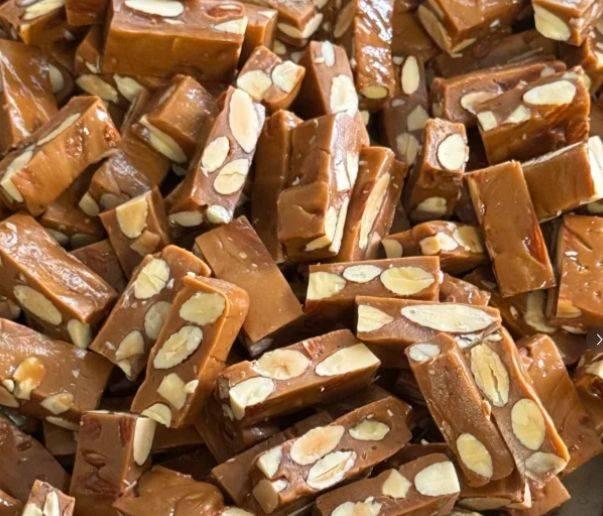
Portuguese Burnt Sugar Candy is a rich, old-fashioned confection made by caramelizing sugar until it develops a deep amber color and a distinctive bittersweet flavor. Depending on the family recipe, it may be prepared with butter, milk, cream, or nuts to create a firm, chewy, or melt-in-your-mouth texture. Its simple ingredients and bold caramel taste make it a memorable homemade treat.
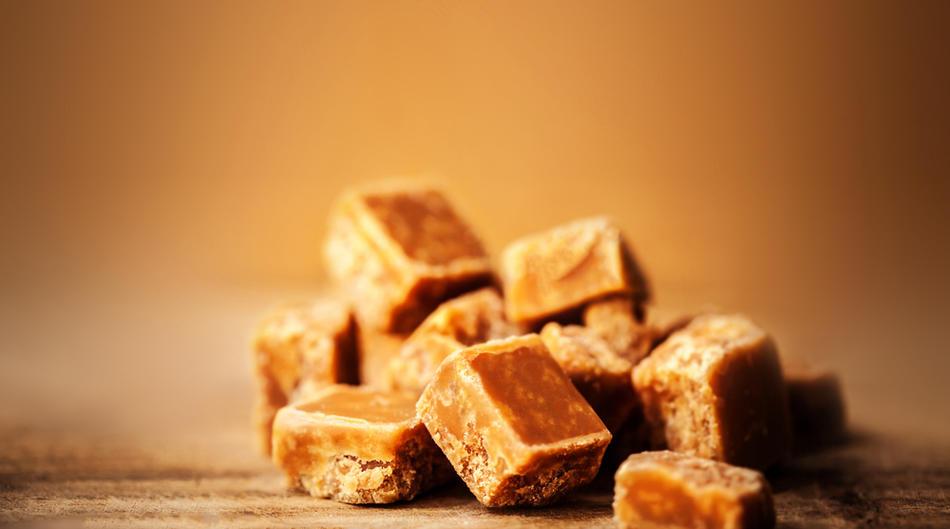
Portuguese Burnt Sugar Candy:
This traditional-style candy is perfect for holiday celebrations, family gatherings, homemade gift boxes, or anyone who loves the irresistible flavor of caramel. Although the recipe requires careful attention while heating the sugar, the process is straightforward when you prepare all the ingredients in advance and use a reliable candy thermometer.The best part about Portuguese Burnt Sugar Candy is its balance of sweetness and complexity. Properly caramelized sugar gives the candy a toasted flavor without making it unpleasantly bitter. Once cooled, the candy can be cut into small squares or broken into rustic pieces for serving with coffee, tea, or as an after-dinner treat.
History:
Sugar-based confections have a long history in Portuguese cooking, influenced by the country’s historic sugar trade and its rich traditions of confectionery. Portuguese sweets often combine simple pantry ingredients with careful techniques to produce distinctive flavors and textures.Caramelized sugar has been used in many European desserts and candies for generations. Home cooks developed different versions using ingredients such as butter, milk, honey, almonds, and other nuts. Recipes were frequently passed down through families, with variations reflecting regional ingredients and personal preferences.The exact name Portuguese Burnt Sugar Candy does not identify one universally standardized traditional recipe. The version below is a Portuguese-inspired homemade caramel candy rather than a claim to a single historically documented regional specialty.
Subscribe to our youtube channel Kitchenpedia for more delicious recipes and hit the like button if you enjoyed this youtubevideo. Share it with your friends and Family.
Portuguese Burnt Sugar Candy

Ingredients
- 2 cups granulated white sugar
- 1/2 cup water
- 2 tablespoons unsalted butter
- 1/2 cup chopped almonds or walnuts (optional)
- 1/4 teaspoon salt
- 1 teaspoon vanilla extract (optional)
- A little neutral oil or baking parchment for preparing the tray
Instructions
- Line a baking tray or shallow heatproof pan with baking parchment. Lightly grease the parchment if needed. Measure all ingredients before beginning because caramel can darken quickly once it reaches the correct temperature.
- Add the sugar and water to a heavy-bottomed saucepan. Heat over medium heat, stirring gently until the sugar dissolves. Once the mixture starts boiling, avoid stirring it unnecessarily; gently swirl the pan if the color develops unevenly.
- Allow the syrup to boil until it turns a deep golden-amber color. This often takes around 8–12 minutes, but the timing depends on the pan, heat, and quantity. For hard caramel candy, aim for approximately 300–310°F (149–154°C) on a candy thermometer.Watch the color closely. Sugar can change from caramelized to burnt in a very short time. Remove the pan from the heat when the desired color is reached.
- Carefully add the butter and salt, keeping your hands and face away from the pan. The mixture may bubble and splatter. Stir gently with a heatproof utensil until incorporated, then add vanilla if using.If the butter causes the mixture to foam, keep the pan on a stable surface and allow the bubbling to settle before proceeding.
- If desired, stir in the chopped almonds or walnuts. Nuts provide a pleasant crunch and complement the rich flavor of caramel. Work carefully because the candy mixture is extremely hot.
- Immediately pour the caramel onto the prepared parchment-lined tray. Do not touch, taste, or handle the hot mixture. Allow it to spread naturally, or use a heatproof spatula to guide it without making contact with the caramel itself.
- Leave the candy undisturbed at room temperature for approximately 45–60 minutes, or until completely hard. Avoid refrigerating it while hot, as sudden temperature changes and condensation may affect the texture.
- Once completely cool, break the hard caramel into small rustic pieces. If you prefer neat squares, use a softer caramel recipe instead, because hard caramel can shatter when cut and should not be forced with a knife.Your Portuguese-inspired Burnt Sugar Candy is ready to serve!
Notes
- Choose the right sugar: Regular granulated white sugar works well for a clear, evenly colored caramel.
- Use a heavy saucepan: A thick base distributes heat more evenly and reduces the risk of localized burning.
- Monitor the color: Amber caramel has a richer flavor, while very dark caramel can become unpleasantly bitter.
- Prepare everything first: Caramel hardens quickly after cooking, so have the tray and optional ingredients ready.
- Add nuts carefully: Dry, chopped nuts provide texture without adding excess moisture.
- Measure accurately: Too much water can extend the cooking time, while incorrect sugar proportions can affect the final result.
- Allow complete cooling: The candy must become completely firm before breaking it into pieces.
- Store away from moisture: Humidity can make hard caramel sticky and affect its crisp texture.
Tips for Portuguese Burnt Sugar Candy:
- Use medium heat rather than rushing the caramelization process over high heat.
- Keep a close eye on the pan during the final minutes of cooking.
- Use a candy thermometer for more consistent results, particularly when making hard candy.
- Avoid stirring vigorously after the syrup begins boiling to reduce the risk of sugar crystallization.
- Add butter only after removing the pan from the heat, and expect vigorous bubbling.
- Toast almonds lightly before adding them if you want a stronger nutty flavor.
- Break the cooled candy into bite-sized pieces for easier serving.
- Package the finished candy in a completely dry, airtight container to help preserve its crunch.
FAQs Portuguese Burnt Sugar Candy:
1. What is Portuguese Burnt Sugar Candy?
It is a caramel-style confection inspired by traditional Portuguese and European sugar-candy techniques. Recipes vary, and the name does not refer to one universally standardized candy.
2. Why is my burnt sugar candy bitter?
The sugar may have cooked for too long or become too dark. Remove the caramel from the heat once it reaches a deep amber color, before it turns nearly black.
3. Can I make this candy without a thermometer?
Yes. Watch for a deep amber color and work carefully, but a thermometer is more reliable when making hard candy because color alone does not guarantee the correct temperature.
4. Can I add almonds or peanuts?
Yes. Chopped almonds, peanuts, or walnuts can add crunch and complement the caramel flavor. Check for nut allergies before serving.
5. Why did my candy turn sticky?
Moisture and humidity are common causes. Make sure the candy is completely cool before storing it, and use an airtight container in a dry location.
6. Can I use brown sugar instead of white sugar?
You can experiment with brown sugar, but it contains molasses and behaves differently during caramelization. The finished candy may have a darker color and a stronger flavor.
7. How long does homemade burnt sugar candy last?
When completely cooled and stored in an airtight container in a cool, dry place, hard caramel candy can generally keep for about 2–3 weeks. Discard it if it becomes contaminated or develops an unusual odor or appearance.
8. Is Portuguese Burnt Sugar Candy suitable for gifting?
Yes. Once fully cooled, package small pieces in food-safe wrappers or a dry airtight gift tin. Keep the candy away from heat and humidity during storage and transport.
Conclusion:
Portuguese Burnt Sugar Candy is a simple yet flavorful homemade treat that transforms ordinary sugar into a delicious caramel confection. Its deep amber color, toasted sweetness, and optional nutty crunch make it a lovely addition to festive dessert tables, family celebrations, and homemade gift collections.The secret to success is patience, careful temperature control, and close attention to the caramel as it darkens. Prepare your ingredients in advance, allow the candy to cool completely, and store it away from moisture to preserve its texture. This Portuguese-inspired recipe is a wonderful choice for anyone who enjoys traditional sweets and the rich flavor of homemade caramel.