

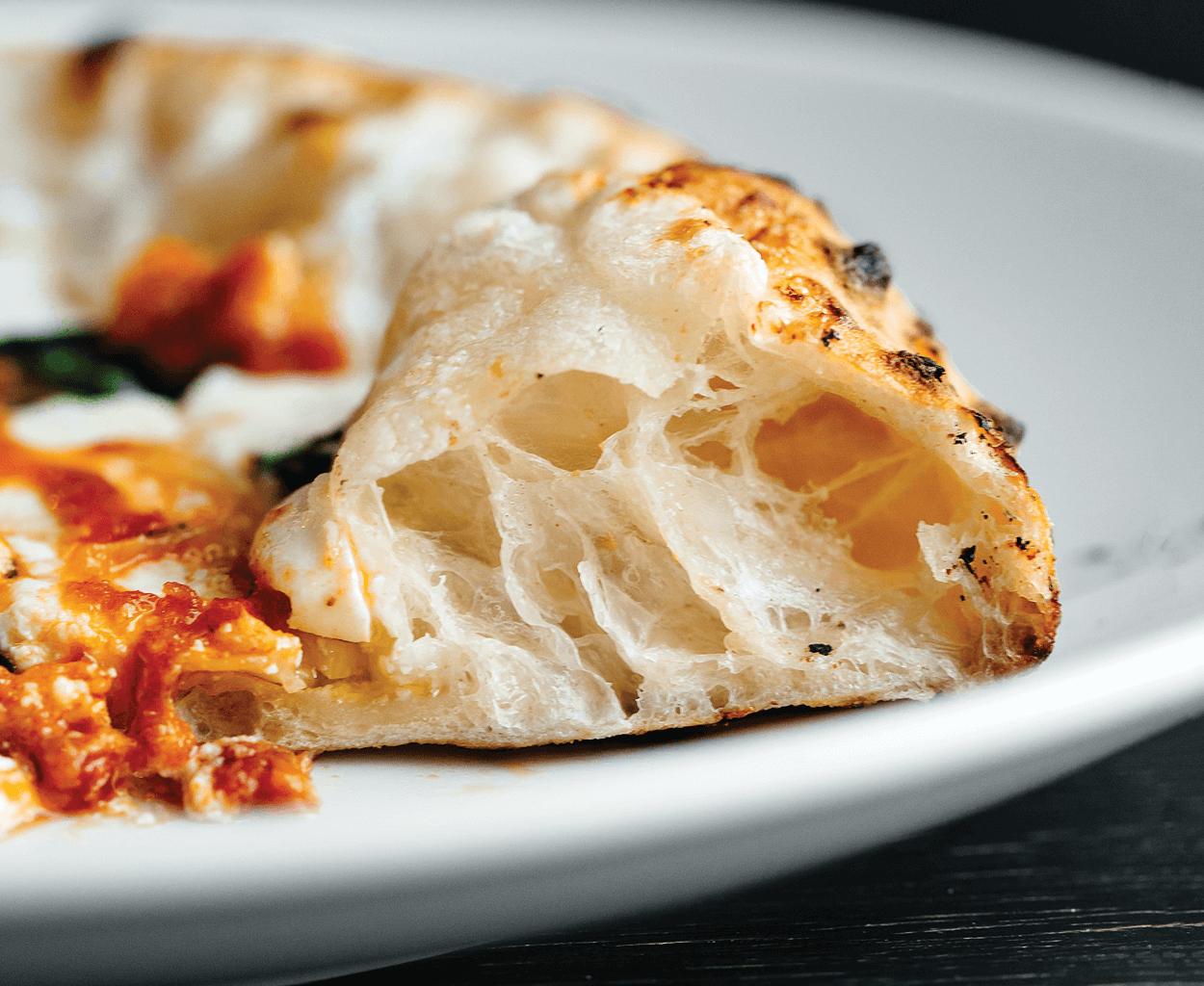
Real Italian Pizza Dough is wonderfully simple, relying on just a few essential ingredients: flour, water, yeast, salt, and time. When properly prepared, these humble ingredients create a dough that is soft, elastic, beautifully airy, and capable of producing the characteristic thin crust and puffed edges associated with Italian pizza.The secret to excellent pizza dough is not complicated equipment or a long list of ingredients.
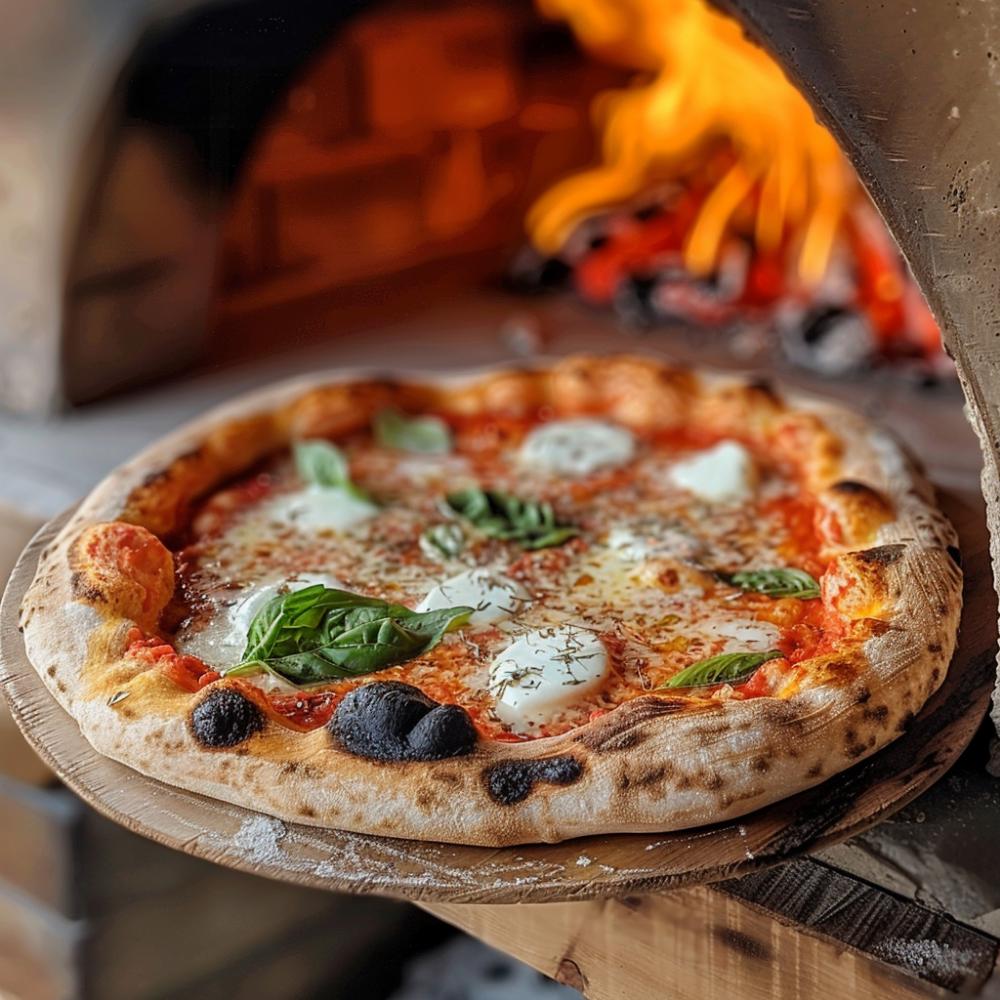
Real Italian Pizza Dough:
It comes down to using good-quality flour, measuring ingredients accurately, developing the gluten properly, and allowing the dough enough time to ferment. A slow fermentation develops flavor while giving the dough a light, extensible texture that is easy to stretch without tearing.This homemade dough is ideal for traditional pizza topped with tomato, mozzarella, fresh basil, mushrooms, vegetables, or cured meats. Whether baked in a pizza oven or a very hot home oven, this recipe gives you a reliable foundation for making delicious Italian-style pizza at home.
History:
Pizza has deep roots in Italy, with modern pizza culture particularly associated with Naples. Flatbreads and baked dough preparations existed for centuries, but pizza as we recognize it today developed through Neapolitan food traditions.Traditional Neapolitan pizza dough is intentionally uncomplicated. Classic recipes focus on flour, water, salt, and yeast, with long fermentation used to develop flavor and texture. The dough is generally stretched by hand rather than rolled with a rolling pin.As Italian immigrants traveled around the world, pizza became one of Italy’s most internationally recognized foods. Different regions and countries developed their own styles, but the simple Italian dough tradition remains the foundation of many classic pizzas.
Subscribe to our youtube channel Kitchenpedia for more delicious recipes and hit the like button if you enjoyed this youtubevideo. Share it with your friends and Family.
Real Italian Pizza Dough
Ingredients
- 500 g Tipo 00 flour
- 325 g lukewarm water
- 15 g fine sea salt
- 2 g instant yeast
- Tipo 00 flour or semolina flour, for dusting
- Olive oil, optional for lightly greasing containers
Instructions
Measure the Ingredients
- For consistent results, weigh the flour and water with a kitchen scale.Pizza dough is sensitive to small changes in hydration, so measuring by weight is more reliable than measuring flour by cups.
Combine the Water and Yeast
- Pour the water into a large mixing bowl.Add the instant yeast and stir briefly.The water should be cool to lukewarm rather than hot.
Add the Flour
- Add approximately 80% of the flour to the water.Mix with your hand or a wooden spoon until a shaggy dough forms.
Add the Salt
- Add the salt.Continue mixing while gradually incorporating the remaining flour.The dough should become soft and slightly sticky but not excessively wet.
Knead the Dough
- Transfer the dough to a lightly floured work surface.Knead for approximately 8–10 minutes.Stretch the dough, fold it back onto itself, and continue until it becomes smoother and more elastic.You can also use a stand mixer fitted with a dough hook and knead on low speed until the dough becomes elastic.
Check the Dough
- The finished dough should feel soft, smooth, and elastic.If you gently stretch a small piece, it should become thin without immediately tearing.Avoid adding large amounts of extra flour because this can make the crust heavy.
First Fermentation
- Place the dough in a lightly oiled bowl or covered container.Cover it tightly.Allow it to ferment at room temperature for approximately 1–2 hours.It does not necessarily need to double completely at this stage.
Cold Fermentation
- For the best flavor, transfer the covered dough to the refrigerator.Allow it to ferment for 12–48 hours.A longer fermentation generally produces more developed flavor and a pleasantly airy texture.
Divide the Dough
- Remove the dough from the refrigerator.Divide it into four equal portions, approximately 210 g each.Shape each portion into a smooth ball by folding the edges underneath and gently tightening the surface.
Final Proof
- Place the dough balls in covered containers or a dough tray.Allow them to sit at room temperature for approximately 1–2 hours before baking.The dough should become soft, relaxed, and slightly puffy.
Preheat the Oven
- Place a pizza stone or pizza steel in the oven if available.Preheat the oven to its highest practical temperature, ideally around 475–550°F (245–290°C).Allow the stone or steel to heat thoroughly for at least 30–45 minutes.For a dedicated pizza oven, temperatures around 700–900°F (370–480°C) can produce a more traditional Neapolitan-style result.
Shape the Pizza
- Lightly dust your work surface with flour or semolina.Place one dough ball on the surface.Gently press the center with your fingertips, working outward.Leave a thicker border around the edge for the crust.Lift and stretch the dough carefully until you have a thin center with a slightly thicker rim.Avoid using a rolling pin because it can press out the gas bubbles that create an airy crust.
Add Your Toppings
- Transfer the shaped dough to a pizza peel or parchment if needed.Add a thin layer of tomato sauce.Add mozzarella and your preferred toppings.Avoid overloading the pizza because excessive toppings can make the center soggy.
Finish and Serve
- Remove the pizza carefully.Add fresh basil, a drizzle of extra-virgin olive oil, or a small amount of freshly grated Parmesan if desired.Slice and serve immediately.Repeat with the remaining dough balls.
Notes
- Tipo 00 flour: This finely milled Italian flour is excellent for pizza, although other strong bread flours can also work.
- Hydration: This recipe uses approximately 65% hydration, producing a dough that is soft but manageable.
- Yeast: Only a small amount of yeast is needed when using long fermentation.
- Fermentation: Refrigerated fermentation develops more flavor than a very quick dough.
- Temperature: A hotter oven produces a more blistered and airy crust.
- Hand stretching: Avoid rolling the dough because it can remove valuable fermentation gases.
- Toppings: Keep toppings light for a crisp, well-baked center.
- Pizza stone: A thoroughly preheated stone or steel improves heat transfer and crust development.
Tips for Real Italian Pizza Dough:
- Use a kitchen scale for the most reliable results.
- Do not over-flour the dough while kneading or shaping.
- Give the dough enough fermentation time for better flavor.
- Keep dough balls covered so the surface does not dry out.
- Allow refrigerated dough to warm slightly before stretching.
- Preheat your pizza stone or steel thoroughly before baking.
- Do not overload the pizza with sauce, cheese, or wet toppings.
- Serve immediately while the crust is crisp outside and airy inside.
FAQs for Real Italian Pizza Dough:
1. What flour is best for real Italian pizza dough?
Tipo 00 flour is a classic choice, particularly for Neapolitan-style pizza. A good bread flour can also produce excellent results.
2. Does pizza dough need to ferment for 24 hours?
It does not have to, but a longer fermentation can improve flavor, texture, and extensibility. Even a shorter fermentation can produce good pizza when handled properly.
3. Can I make this dough without a pizza oven?
Absolutely. A household oven can make excellent pizza. Preheat a pizza stone or steel at the highest practical temperature for the best result.
4. Why is my pizza dough difficult to stretch?
The dough may be too cold, insufficiently fermented, or not relaxed enough. Let it rest at room temperature before shaping and avoid forcing it.
5. Can I freeze pizza dough?
Yes. After dividing and shaping the dough into balls, freeze them individually in airtight freezer-safe containers. Thaw in the refrigerator and then allow them to come to room temperature before baking.
6. Why does my crust become dense?
Dense crust can result from insufficient fermentation, excessive flour, aggressive rolling, or an oven that is not hot enough.
7. Can I use active dry yeast instead of instant yeast?
Yes. Use a similar amount and activate it according to the manufacturer’s instructions if necessary.
8. How thin should Italian pizza dough be?
The center should be quite thin, while the outer rim should remain thicker and airy. The exact thickness depends on the style of pizza you’re making.
Conclusion:
Real Italian Pizza Dough proves that excellent pizza begins with simple ingredients and careful technique. Flour, water, salt, and a tiny amount of yeast become something extraordinary when given enough time to ferment and develop flavor.The most important steps are measuring accurately, kneading until the dough becomes elastic, allowing adequate fermentation, handling the dough gently, and baking at the highest temperature possible. These techniques help create a crust that is crisp and lightly blistered on the outside while remaining soft and airy inside.Once you master this dough, you can use it as the foundation for countless homemade pizzas. Keep the toppings simple, use good-quality ingredients, and let the dough shine.