

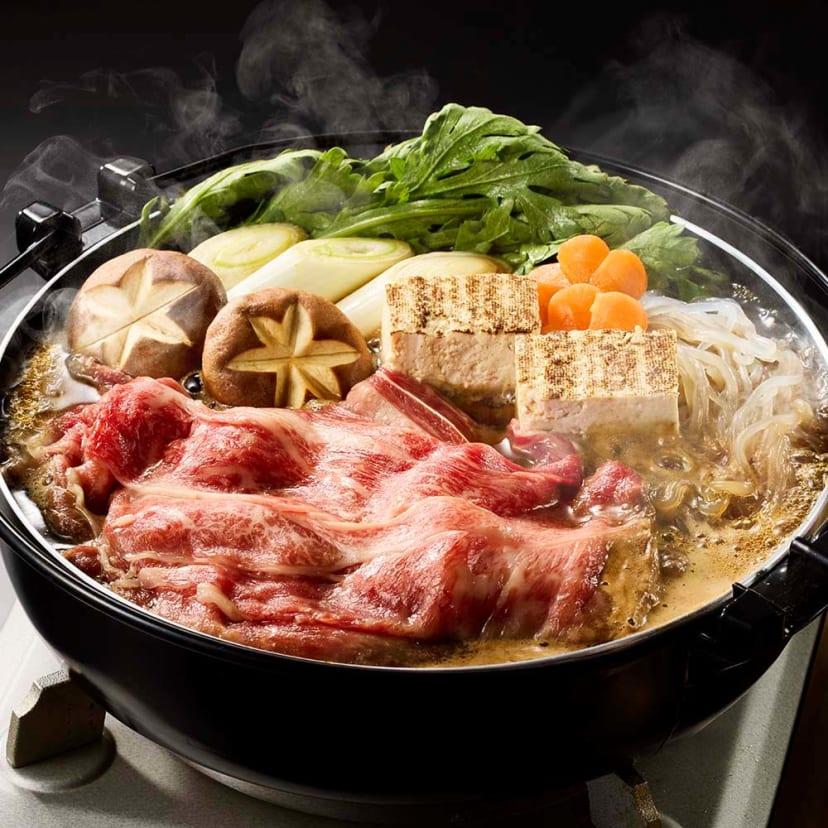
Traditional Beef Sukiyaki is one of Japan’s most beloved hot-pot dishes, featuring paper-thin slices of tender beef simmered with tofu, shiitake mushrooms, napa cabbage, green onions, and other vegetables in a rich sweet-savory warishita sauce. The ingredients cook together in a shallow pot, creating a deeply flavorful meal that is both comforting and interactive.What makes Sukiyaki particularly special is the balance between savory soy sauce, sweet mirin, sake, and sugar. The sauce gradually coats the beef and vegetables as they cook, while tofu and mushrooms absorb the flavourful broth.
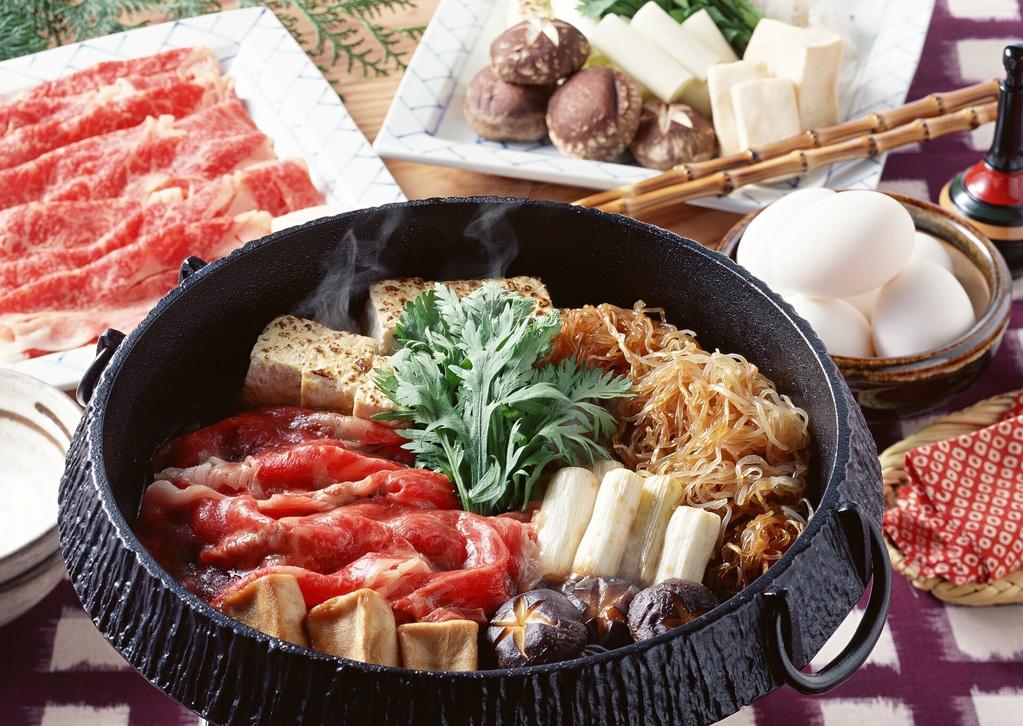
Traditional Beef Sukiyaki:
In many traditional preparations, the cooked ingredients are dipped into a bowl of beaten raw egg before eating, creating a luxurious contrast of warm, savory food and cool, creamy richness.Sukiyaki is ideal for family dinners, celebrations, winter gatherings, and special occasions. The ingredients are arranged attractively and cooked at the table, allowing everyone to enjoy the meal as it develops. Although the dish feels elaborate, it is surprisingly straightforward to prepare once all the ingredients are sliced and arranged.
History:
Sukiyaki has become one of Japan’s most recognizable hot-pot dishes. Beef consumption became increasingly common in Japan during the late 19th century, and dishes featuring beef developed into an important part of modern Japanese cuisine.The term sukiyaki is commonly associated with cooking ingredients in a shallow iron or hot pot. Over time, regional styles developed, with Kanto and Kansai preparations being particularly well known. Kanto-style Sukiyaki typically uses a prepared warishita sauce, while Kansai-style cooking often seasons the beef and ingredients directly in the pot.Despite regional differences, the central idea remains the same: thinly sliced beef and carefully selected vegetables are cooked together in a sweet and savory sauce. Sukiyaki evolved into a popular social meal because the ingredients can be cooked gradually at the table and shared among diners.
Subscribe to our youtube channel Kitchenpedia for more delicious recipes and hit the like button if you enjoyed this youtubevideo. Share it with your friends and Family.
Traditional Beef Sukiyaki

Ingredients
For the Sukiyaki
- 1¼ lb (570 g) thinly sliced beef, preferably well-marbled
- 8 ounces (225 g) firm tofu, cut into cubes
- 7 ounces (200 g) shirataki noodles
- 4 shiitake mushrooms, stems removed
- 1 cup napa cabbage, chopped
- 1 bunch green onions, cut into 2-inch pieces
- ½ cup enoki mushrooms
- 1 small carrot, thinly sliced
- 1 cup chrysanthemum greens or spinach, optional
- 2 tablespoons neutral cooking oil
For the Warishita Sauce
- ½ cup soy sauce
- ½ cup mirin
- ¼ cup sake
- ¼ cup water
- 3 tablespoons granulated sugar
Instructions
Prepare the Shirataki
- Place the shirataki noodles in a pot of boiling water.Blanch them for approximately 2–3 minutes.Drain thoroughly and cut the noodles into shorter, manageable lengths.Set aside.
Prepare the Tofu
- Drain the tofu well.Cut it into bite-sized cubes or rectangular pieces.Pat gently with paper towels to remove excess moisture.
Prepare the Vegetables
- Wash all vegetables thoroughly.Cut the napa cabbage into manageable pieces.Trim and slice the green onions into approximately 2-inch sections.Remove the stems from the shiitake mushrooms and make decorative cuts in the caps if desired.Trim the enoki mushrooms.Thinly slice the carrot.Keep the vegetables separated because they will be added to the pot at different times.
Prepare the Beef
- Use very thinly sliced, well-marbled beef.If the beef is difficult to slice, partially freeze it for approximately 20–30 minutes before slicing.Keep the beef chilled until ready to cook.
Make the Warishita Sauce
- Add soy sauce, mirin, sake, water, and sugar to a small saucepan.Heat gently while stirring until the sugar dissolves.Do not boil aggressively.Remove from heat and set aside.
Heat the Sukiyaki Pot
- Place a large shallow skillet, cast-iron pan, or traditional sukiyaki pot over medium heat.Add the cooking oil.
Sear Some of the Beef
- Add a few slices of beef to the hot pot.Sear briefly until the meat begins to brown.For an extra-rich traditional flavor, sprinkle a little sugar over the beef before adding some of the sauce.
Add the Warishita
- Pour some of the prepared warishita sauce into the pot.Allow the beef to simmer briefly so it absorbs the sweet-savory flavors.Do not overcook the beef.
Simmer
- Cook the ingredients for approximately 5–10 minutes.Add vegetables according to their cooking time.Napa cabbage should become tender, mushrooms should soften, and tofu should absorb the sauce.
Add More Beef
- As the ingredients cook, add additional thinly sliced beef to the pot.Because the slices are extremely thin, they may require only 30–60 seconds to cook.Avoid overcooking them.
Add the Greens
- Add chrysanthemum greens or spinach toward the end.Cook just until wilted.
Prepare the Egg
- If using traditional raw egg for dipping, crack one fresh egg into an individual bowl for each diner.Beat gently with chopsticks or a fork.
Serve
- Place the hot pot in the center of the table if using a suitable tabletop burner.Each person can take cooked beef and vegetables and dip them into the beaten egg before eating.Continue adding ingredients and warishita to the pot as the meal progresses
Notes
- Choose well-marbled beef: Marbling helps keep the thin slices tender and flavorful.
- Slice the beef very thinly: Sukiyaki beef should cook almost instantly.
- Blanch shirataki first: This improves their texture and removes excess odor.
- Do not overcook beef: Thin slices become tough quickly.
- Adjust the sauce: Warishita can be diluted with water or dashi if it becomes too strong.
- Cook ingredients in batches: This prevents the pot from becoming overcrowded.
- Keep the broth simmering gently: A moderate temperature prevents vegetables from becoming mushy.
- Use safe eggs: If serving with raw egg, choose pasteurized eggs where available and follow local food-safety guidance.
Tips for Traditional Beef Sukiyaki:
- Partially freeze beef before slicing: This makes it much easier to cut paper-thin slices at home.
- Use premium beef when possible: Well-marbled cuts such as ribeye produce especially tender Sukiyaki.
- Don’t drown the ingredients: Sukiyaki is a shallow simmer rather than a soup, so use enough sauce to flavor the ingredients without completely submerging them.
- Keep ingredients separated: Different ingredients cook at different speeds.
- Add beef gradually: Cooking smaller amounts helps maintain tenderness.
- Balance the warishita: Taste it before adding it to the pot and adjust sweetness or saltiness to your preference.
- Serve immediately: Sukiyaki is best eaten while the ingredients are hot and freshly cooked.
- Use a tabletop burner: This creates the traditional interactive Sukiyaki experience and keeps the pot warm throughout the meal.
FAQs for Traditional Beef Sukiyaki:
1. What cut of beef is best for Sukiyaki?
Well-marbled beef such as ribeye, sirloin, or specially sliced Sukiyaki beef works very well. The most important feature is that the beef is sliced extremely thinly.
2. What is warishita sauce?
Warishita is the sweet-savory sauce commonly used in Kanto-style Sukiyaki. It usually contains soy sauce, mirin, sake, sugar, and sometimes dashi or water.
3. Can I make Sukiyaki without alcohol?
Yes. Replace sake with additional water or dashi. For mirin, use a suitable non-alcoholic mirin-style seasoning if needed.
4. Can I use regular noodles instead of shirataki?
Yes. Udon is an excellent alternative and is especially delicious after absorbing the Sukiyaki sauce.
5. Why is the beef tough?
The beef may have been sliced too thickly or cooked for too long. Sukiyaki beef should generally cook very quickly.
6. Is eating Sukiyaki with raw egg safe?
Raw eggs can carry a risk of foodborne illness. If you want the traditional dipping experience, use pasteurized eggs where available and follow local food-safety recommendations.
7. Can I make Sukiyaki ahead of time?
You can prepare the sauce and slice the ingredients ahead of time, but Sukiyaki is best cooked and eaten fresh. Leftovers should be refrigerated promptly.
8. What is the difference between Kanto and Kansai Sukiyaki?
Kanto-style Sukiyaki generally uses a prepared warishita sauce, while Kansai-style Sukiyaki traditionally cooks and seasons the beef and ingredients directly in the pot.
Conclusion:
Traditional Beef Sukiyaki is more than just a delicious Japanese meal—it is a wonderful communal dining experience. Thinly sliced, beautifully marbled beef, tender tofu, mushrooms, napa cabbage, shirataki noodles, and green onions slowly absorb the rich sweet-savory warishita sauce while cooking together in a shallow pot.The combination of tender beef, flavorful vegetables, chewy noodles, and creamy egg dipping sauce creates an unforgettable balance of textures and flavors. Whether prepared for a family dinner, winter gathering, or special celebration, Sukiyaki brings warmth and togetherness to the table.For the best experience, prepare all your ingredients before cooking, keep the pot gently simmering, add the beef in small batches, and serve everything immediately. With these simple techniques, you can enjoy an authentic-style Japanese Sukiyaki feast at home.