
 with this easy homemade recipe featuring a tender buttery vanilla cake, juicy fresh apples, lemon zest, cinnamon, and a beautiful golden finish. This traditional-style German apple cake gets its distinctive name from the apple slices that gently sink into the batter as the cake rises around them. Perfect for afternoon coffee, tea time, weekend baking, family gatherings, holidays, or a comforting homemade dessert, this rustic Apfelkuchen requires simple ingredients and straightforward preparation. Follow the detailed step-by-step recipe for perfectly tender apples, a soft cake crumb, lightly caramelized fruit, and an elegant powdered-sugar finish. Includes helpful baking notes, expert tips, serving suggestions, variations, storage advice, and FAQs to help you make a delicious German Sunken Apple Cake at home.)
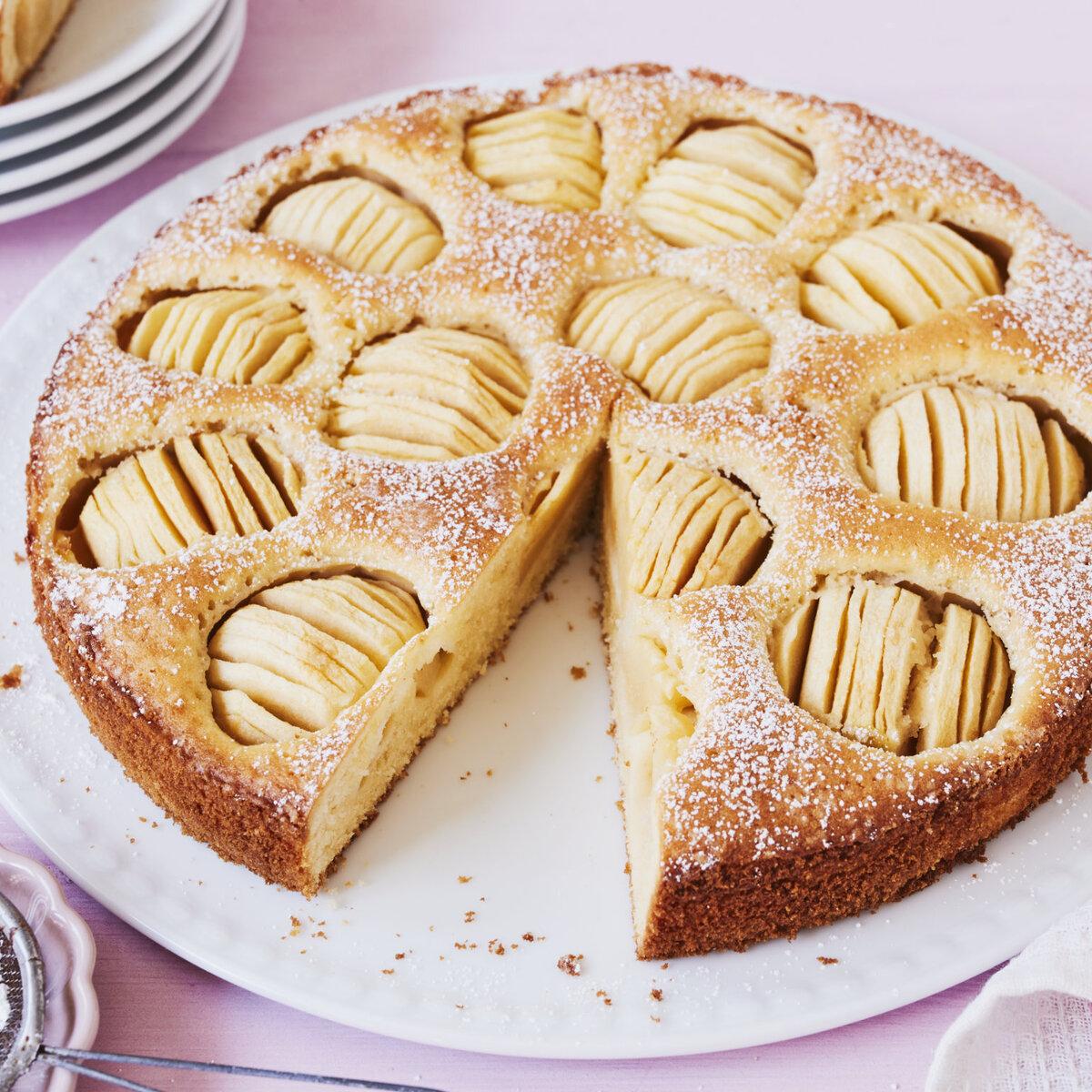
Versunkener Apfelkuchen, meaning sunken apple cake in German, is a wonderfully simple and traditional-style German apple cake made with a tender buttery cake batter and fresh apple slices that partially sink into the cake as it bakes. The result is beautifully rustic, fragrant, and comforting, with caramelized apple edges and a soft, delicate crumb.
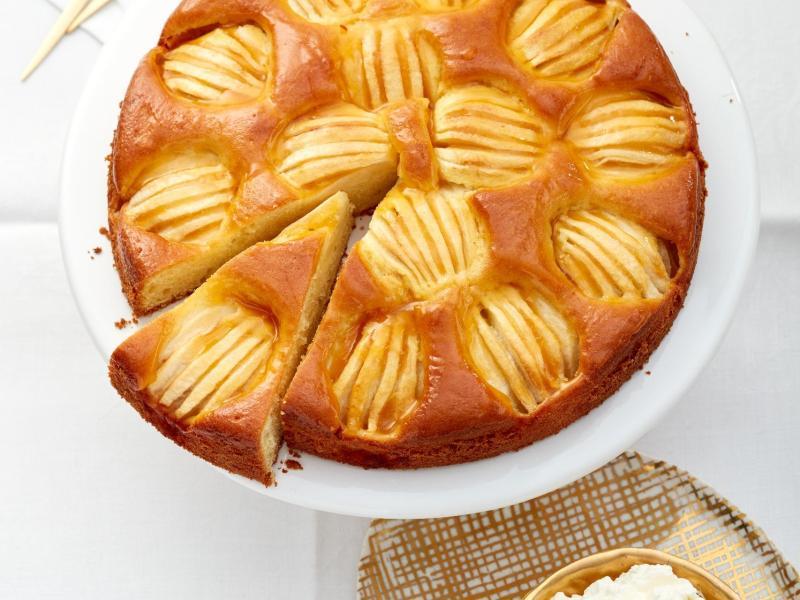
Versunkener Apfelkuchen:
Unlike heavily frosted cakes, this classic German apple cake celebrates the natural flavor of apples. Thinly sliced apples are arranged across the batter, where they slowly sink as the cake rises around them. A light sprinkling of sugar helps the apples develop a golden, slightly caramelized surface while adding a pleasant sweetness to every slice.
Versunkener Apfelkuchen is perfect for afternoon coffee, weekend baking, family gatherings, or a simple homemade dessert. It can be served warm or at room temperature, with powdered sugar, whipped cream, vanilla ice cream, or simply enjoyed on its own with a cup of coffee or tea.
History:
Apple cakes have a long history throughout German-speaking Europe, where apples have traditionally been used in cakes, pastries, strudels, and other desserts. Regional recipes vary considerably, with some versions using yeast dough, shortcrust pastry, sponge cake, or buttery cake batter.
The name Versunkener Apfelkuchen literally translates to “sunken apple cake.” It describes the characteristic appearance of the dessert: apple wedges are pressed into the cake batter and appear to sink into the cake as it rises during baking.There is no single universally standardized recipe for Versunkener Apfelkuchen. Home bakers often adapt the cake with different apple varieties, spices, nuts, citrus zest, or toppings. This version follows the familiar German-style approach of a buttery vanilla cake topped with neatly arranged apple slices.
Subscribe to our youtube channel Kitchenpedia for more delicious recipes and hit the like button if you enjoyed this youtubevideo. Share it with your friends and Family.
Versunkener Apfelkuchen

Ingredients
For the Cake
- 2 cups (250 g) all-purpose flour
- 2 teaspoons baking powder
- ¼ teaspoon salt
- ½ cup (115 g) unsalted butter, softened
- ¾ cup (150 g) granulated sugar
- 3 large eggs, room temperature
- 1 teaspoon pure vanilla extract
- 1 teaspoon finely grated lemon zest
- ½ cup (120 ml) whole milk
For the Apples
- 3–4 medium apples
- 1 tablespoon lemon juice
- 2 tablespoons granulated sugar
- 1 tablespoon melted butter
For Finishing
- 1–2 tablespoons powdered sugar
- Whipped cream, optional
- Freshly grated lemon zest, optional
Instructions
Prepare the Oven and Pan
- Preheat the oven to 350°F (175°C).Grease a 9-inch (23 cm) springform pan with butter. Line the bottom with parchment paper for easier removal.
Prepare the Apples
- Peel the apples if desired, then cut them into quarters and remove the cores.Slice each quarter into thin slices, keeping the slices together as much as possible.Place the apple slices in a bowl and gently toss them with lemon juice to help prevent browning.Sprinkle with cinnamon and 1 tablespoon of the sugar.
Mix the Dry Ingredients
- In a medium bowl, whisk together the flour, baking powder, and salt.Set aside while preparing the cake batter.
Cream the Butter and Sugar
- In a large mixing bowl, beat the softened butter and remaining sugar for about 2–3 minutes until light and creamy.This step helps incorporate air into the batter and contributes to the cake's tender texture.
Add the Eggs and Flavorings
- Add the eggs one at a time, beating well after each addition.Mix in the vanilla extract and lemon zest.If the mixture looks slightly curdled, do not worry; it will come together when the flour is added.
Add the Flour and Milk
- Add the dry ingredients in two or three additions, alternating with the milk.Mix just until combined.Avoid overmixing because excessive mixing can make the finished cake denser.
Fill the Cake Pan
- Spread the batter evenly into the prepared springform pan.The batter will be fairly thick, so use a spatula to smooth the surface.
Arrange the Apples
- Arrange the apple slices over the batter in overlapping rows or a circular pattern.Press the apple slices gently into the batter so they are partially submerged.Do not completely cover the apples with additional batter—the characteristic sunken appearance develops during baking.
Add the Butter and Sugar
- Brush the exposed apple slices lightly with melted butter.Sprinkle the remaining sugar over the apples.This helps the fruit become golden and lightly caramelized during baking.
Cool
- Remove the cake from the oven and allow it to cool in the pan for about 15–20 minutes.Carefully remove the springform ring and transfer the cake to a serving plate.
Finish and Serve
- Once slightly cooled, dust the cake lightly with powdered sugar.Serve warm or at room temperature with whipped cream or vanilla ice cream if desired.
Notes
- Apple Variety: Firm, slightly tart apples such as Granny Smith, Braeburn, Pink Lady, or Honeycrisp work well.
- Apple Slices: Keep the slices reasonably thin so they soften properly during baking.
- Butter: Use softened butter rather than melted butter when making the cake batter for the best texture.
- Room-Temperature Eggs: Room-temperature eggs incorporate more easily into the butter mixture.
- Lemon Zest: Lemon zest adds brightness and complements the sweetness of the apples.
- Pan Size: A 9-inch springform pan gives the cake a classic height. A different pan size may change the baking time.
- Baking Time: The exact baking time depends on the oven, pan, and moisture content of the apples.
- Serving Temperature: The cake can be enjoyed warm, slightly cooled, or completely cooled.
Tips for Versunkener Apfelkuchen:
- Choose Firm Apples: Avoid very soft apples that can release excessive moisture and become mushy during baking.
- Do Not Overmix: Once the flour is incorporated, mix only until the batter is smooth and combined.
- Slice Evenly: Similar-sized apple slices cook more evenly and create a more attractive presentation.
- Press Apples Gently: Push the apple slices into the batter without completely submerging them.
- Use Fresh Baking Powder: Fresh baking powder helps the cake rise properly around the apples.
- Watch the Browning: If the apples become too dark before the center is cooked, loosely cover the cake with foil.
- Test the Center: Insert a toothpick into an area containing cake rather than directly through an apple slice.
- Cool Before Slicing: Allowing the cake to rest makes it easier to cut cleanly without disturbing the tender apples.
FAQs for Versunkener Apfelkuchen:
1. What does Versunkener Apfelkuchen mean?
Versunkener Apfelkuchen translates from German as “sunken apple cake.” The name refers to the apple slices that are pressed into the batter and appear partially sunken after baking.
2. Which apples are best for German apple cake?
Firm apples with a balance of sweetness and acidity work particularly well. Granny Smith, Braeburn, Pink Lady, and Honeycrisp are good choices.
3. Can I leave the apple peels on?
Yes. Apple peels are edible and can add color and texture. Peel them if you prefer a softer, more traditional cake texture.
4. Why did my apples sink completely?
Some sinking is expected. Apples contain moisture and are heavier than the cake batter. Slicing them appropriately and pressing them only partially into the batter helps maintain the characteristic appearance.
5. Can I make this cake without a springform pan?
Yes. A deep 9-inch round cake pan can work, although a springform pan makes the finished cake easier to remove.
6. Can I prepare Versunkener Apfelkuchen ahead of time?
Yes. The cake can be baked a day ahead and stored covered at room temperature for short-term storage, provided the environment is cool and dry. Refrigeration is useful for longer storage.
7. Can I freeze German Sunken Apple Cake?
Yes. Allow the cake to cool completely, wrap it well, and freeze it for up to about 2–3 months for best quality. Thaw it in the refrigerator or at room temperature before serving.
8. How should I serve this German apple cake?
It is excellent on its own with powdered sugar, but whipped cream, vanilla ice cream, or warm vanilla custard make wonderful accompaniments.
Conclusion:
Versunkener Apfelkuchen is a beautiful example of simple European home baking. With a buttery vanilla cake, juicy apples, delicate lemon aroma, and a golden finish, it creates a dessert that feels elegant without requiring complicated techniques.
The partially sunken apple slices give this cake its unmistakable appearance, while the tender crumb makes every bite soft and comforting. Whether served alongside afternoon coffee or presented as a simple family dessert, this traditional-style German apple cake is a wonderful way to enjoy fresh apples throughout the year.