

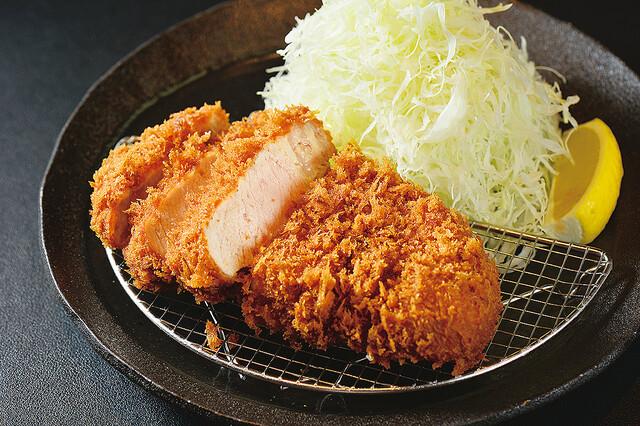
Japanese-Style Crispy Fried Pork Cutlets Tonkatsu is one of Japan’s most beloved comfort foods, featuring tender pork coated in flour, egg, and airy Japanese panko breadcrumbs before being fried until deeply golden and wonderfully crisp. Beneath the crunchy crust, the pork remains juicy and flavorful, creating a delicious contrast of textures in every bite.This Japanese-style crispy fried pork cutlet is surprisingly easy to prepare at home. The secret is using evenly pounded pork, coating it generously with panko, and frying it at the right temperature.
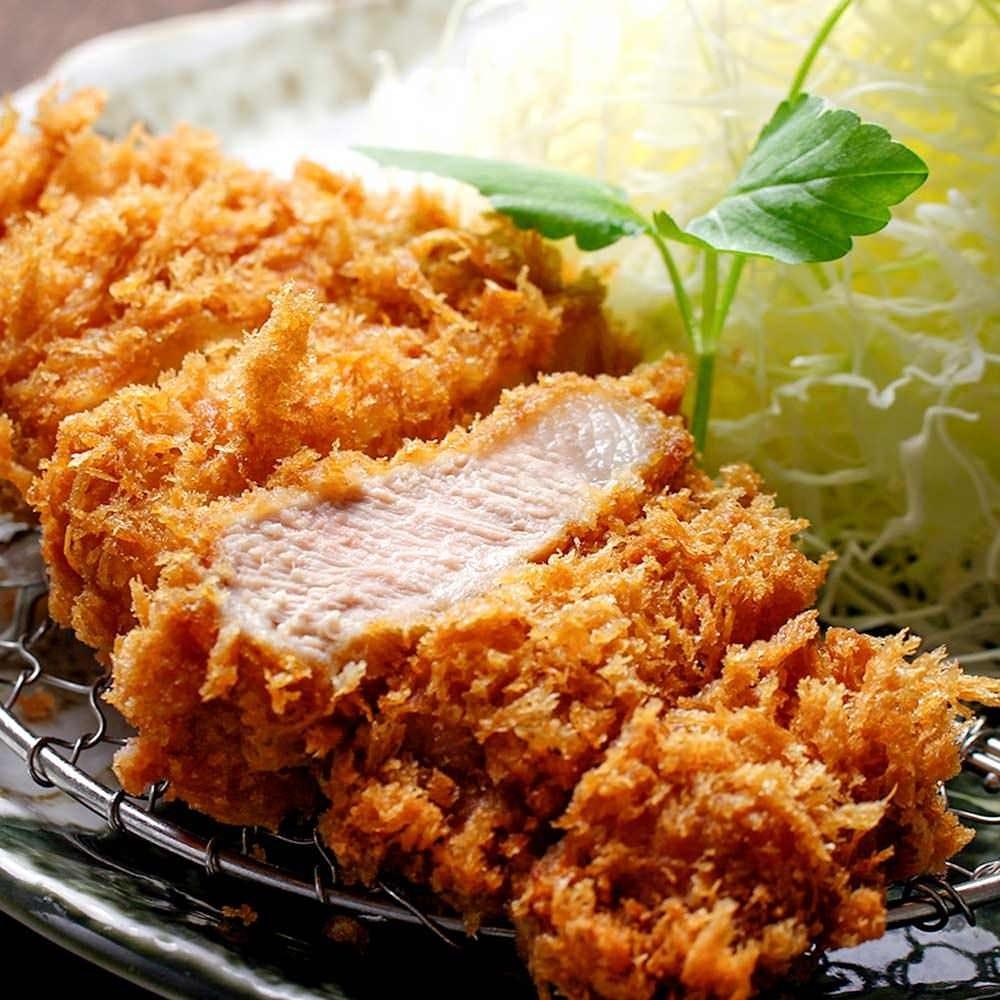
Tonkatsu:
Unlike traditional Western breaded cutlets, Japanese panko produces a lighter, crunchier crust that gives tonkatsu its distinctive texture.Tonkatsu is commonly served with tangy Japanese tonkatsu sauce, finely shredded cabbage, steamed rice, and miso soup. It can also be sliced and used in sandwiches, curry, rice bowls, or bento boxes, making it an incredibly versatile Japanese dish.
History:
Tonkatsu developed in Japan during the late 19th century as Japanese cuisine incorporated elements of Western-style cooking. It evolved from European breaded cutlets but was adapted to Japanese ingredients and cooking techniques.Early versions were influenced by Western-style cutlets known in Japan as katsuretsu. Pork eventually became the preferred meat for the Japanese version, and the use of panko breadcrumbs helped create the characteristic light and crunchy coating associated with tonkatsu.
Today, tonkatsu is served throughout Japan in specialized restaurants, family restaurants, convenience stores, bento boxes, and home kitchens. It is also an important component of dishes such as katsudon and Japanese katsu curry.
Subscribe to our youtube channel Kitchenpedia for more delicious recipes and hit the like button if you enjoyed this youtubevideo. Share it with your friends and Family.
Tonkatsu

Ingredients
For the Tonkatsu
- 4 boneless pork loin chops, about ½–¾ inch thick
- ½ teaspoon salt
- ½ teaspoon freshly ground black pepper
- ½ cup all-purpose flour
- 2 large eggs
- 1½ cups Japanese panko breadcrumbs
- Vegetable, canola, or other neutral oil, for frying
For Serving
- 2 cups finely shredded green cabbage
- ½ cup tonkatsu sauce
- Steamed Japanese short-grain rice
- Lemon wedges, optional
- Japanese mustard, optional
- Sliced green onions, optional
Instructions
Prepare the Pork
- Pat the pork chops dry with paper towels.If the pork is unevenly thick, gently pound it with a meat mallet until it reaches an even thickness of approximately ½–¾ inch.Trim any excessive fat around the edges.Make a few shallow cuts through the connective tissue around the edges of the pork. This helps prevent the cutlet from curling during frying.Season both sides with salt and black pepper.
Set Up the Breading Station
- Place the flour in one shallow bowl.Beat the eggs in a second bowl.Place the panko breadcrumbs in a third shallow dish.Arrange the bowls in this order:
Bread the Pork
- Coat each pork chop lightly in flour, making sure the entire surface is covered.Shake off excess flour.Dip the pork into the beaten egg.Immediately transfer it to the panko breadcrumbs.Press the panko gently onto the pork so that it forms an even, generous coating.Repeat with the remaining pork chops.
Heat the Oil
- Pour approximately 1½–2 inches of neutral oil into a deep skillet or heavy-bottomed pot.Heat the oil to approximately 340–350°F (170–175°C).Maintaining the correct temperature is important. If the oil is too cool, the cutlet can absorb excess oil. If it is too hot, the breadcrumbs can burn before the pork is cooked.
Fry the Tonkatsu
- Carefully place the breaded pork into the hot oil.Avoid overcrowding the pan. Fry in batches if necessary.Cook for approximately 3–4 minutes per side, depending on thickness, until the coating becomes deep golden brown and the pork is cooked through.Transfer the fried cutlets to a wire rack or paper towel-lined plate.Allow them to rest for several minutes.
Slice the Cutlets
- Using a sharp knife, cut each tonkatsu into strips approximately ¾ inch wide.Keep the pieces together while slicing so the cutlet remains attractive when served.
Serve
- Arrange the sliced tonkatsu beside finely shredded cabbage.Drizzle or serve Japanese tonkatsu sauce alongside the pork.Serve immediately with steamed Japanese rice.Add a small amount of Japanese mustard and a lemon wedge if desired
Notes
- Pork loin is traditional: Pork loin gives tonkatsu a juicy and satisfying texture.
- Pork tenderloin is leaner: Tenderloin can be used when you prefer a less fatty cutlet.
- Use Japanese panko: Panko creates the light, airy crunch that distinguishes tonkatsu.
- Don't overcrowd the pan: Too many cutlets will reduce the oil temperature.
- Maintain oil temperature: Aim for approximately 340–350°F (170–175°C).
- Rest before slicing: Resting allows the juices to redistribute.
- Use a wire rack: It helps prevent the crispy bottom from becoming soggy.
- Serve immediately: Tonkatsu tastes best while the crust is freshly crisp.
Tips for Tonkatsu:
1. Pound the pork evenly
An even thickness allows the pork to cook at the same rate throughout.
2. Make small cuts around the edges
This prevents the pork from curling while frying.
3. Don’t press the pork too thin
The goal is a juicy center with a crisp crust, not an extremely thin schnitzel.
4. Press the panko onto the pork
A firm but gentle press helps the breadcrumbs adhere and creates a substantial crust.
5. Test your oil
Drop a few panko crumbs into the oil. They should immediately sizzle and rise without rapidly turning dark.
6. Fry in batches
Give each cutlet enough room to cook evenly.
7. Drain properly
A wire rack allows excess oil to drip away while keeping the crust crisp.
8. Cut with a sharp knife
A sharp knife gives clean slices without crushing the crispy coating.
FAQs for Tonkatsu:
Q: What does Tonkatsu mean?
Tonkatsu refers to a Japanese breaded and deep-fried pork cutlet. “Ton” refers to pork, while “katsu” comes from the Japanese adaptation of the word cutlet.
Q: What cut of pork is best for tonkatsu?
Pork loin is one of the most popular choices because it has a good balance of tenderness and fat. Pork tenderloin is another excellent option.
Q: Can I use regular breadcrumbs?
Yes, but Japanese panko is strongly recommended. Panko produces larger, lighter flakes and a noticeably crunchier coating.
Q: Why does my breading fall off?
The pork may have been too wet, or the flour, egg, and breadcrumbs were not applied evenly. Pat the pork dry and shake off excess flour before dipping it into the egg.
Q: Can I bake tonkatsu?
Yes. Breaded tonkatsu can be baked in a hot oven, although the texture will be somewhat different from traditionally deep-fried tonkatsu.
Q: Can I air-fry tonkatsu?
Yes. Lightly spray the breaded cutlets with oil and air-fry until golden and cooked through, turning once during cooking.
Q: What sauce is traditionally served with tonkatsu?
Japanese sauce is the classic accompaniment. It is thick, sweet-savory, slightly tangy, and pairs beautifully with the crispy pork.
Q: Why is cabbage served with tonkatsu?
Finely shredded cabbage provides a fresh, crunchy contrast to the rich fried pork and helps balance the meal.
Q: Can I make tonkatsu ahead of time?
Yes, but it is best freshly fried. If preparing ahead, reheat the cutlets in an oven or air fryer rather than a microwave to help restore crispness.
Q: Can I freeze tonkatsu?
Yes. Cooked tonkatsu can be cooled completely, wrapped well, and frozen. Reheat it in an oven or air fryer until hot and crisp.
Conclusion:
Japanese-Style Crispy Fried Pork Cutlets is a wonderfully satisfying Japanese comfort food that combines a juicy pork center with an exceptionally crisp golden panko coating. With just a few basic ingredients and the right frying technique, you can recreate this popular Japanese restaurant favorite at home.
The most important secrets are simple: choose good-quality pork, pound it evenly, coat it generously with panko, maintain the correct oil temperature, and serve the cutlet while it is still hot and crisp. Pair it with shredded cabbage, tangy tonkatsu sauce, steamed rice, and miso soup for a classic Japanese meal.