
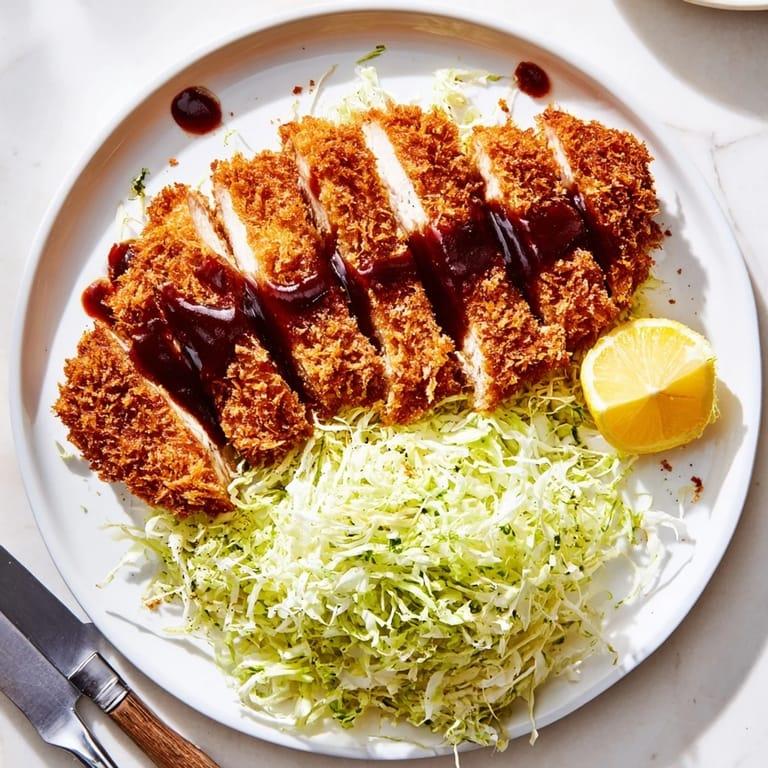
Chicken Katsu is a beloved Japanese comfort food made with tender chicken cutlets coated in flour, beaten egg, and crisp Japanese panko breadcrumbs before being fried until beautifully golden. The result is an irresistible combination of a crunchy exterior and juicy, tender chicken inside. Served with a rich, tangy-sweet tonkatsu sauce, it is a simple meal that feels both comforting and restaurant-worthy.
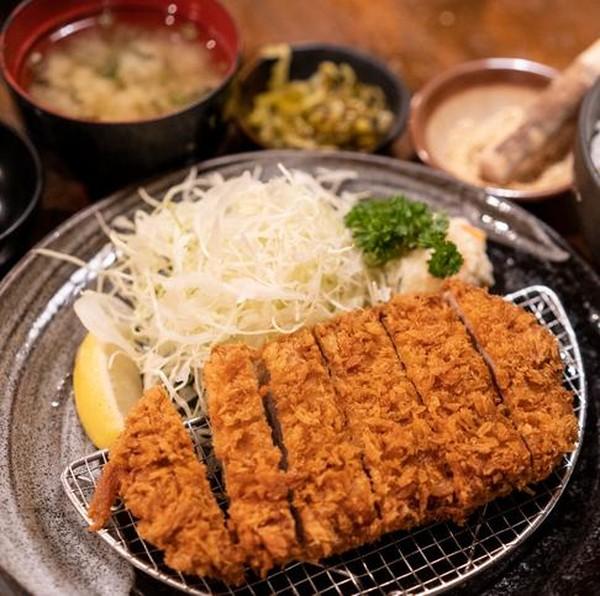
Chicken Katsu:
This Japanese-style crispy chicken is incredibly versatile and easy to prepare at home. Boneless chicken breasts or thighs can be used, and the cutlets can be fried, baked, or air-fried depending on your preference. The secret to an excellent katsu is an even chicken thickness, a generous coating of panko, and properly heated oil.Traditionally, Chicken Katsu is served with finely shredded cabbage, steamed Japanese rice, and miso soup. It can also be transformed into delicious dishes such as Chicken Katsu Curry, Katsu Don, and Katsu Sandwiches, making it one of the most useful Japanese recipes to have in your kitchen.
History of Chicken Katsu:
Katsu developed in Japan from Western-style breaded meat cutlets known as katsuretsu. Pork became especially popular in Japanese katsu cuisine, giving rise to tonkatsu, while chicken was later used to create chicken katsu.Japanese cooks adapted Western-style cutlets by using panko breadcrumbs and serving the fried meat with shredded cabbage and a thick, savory-sweet sauce. Over time, Chicken Katsu became a familiar part of Japanese home cooking and restaurant menus.
Subscribe to our youtube channel Kitchenpedia for more delicious recipes and hit the like button if you enjoyed this youtubevideo. Share it with your friends and Family.
Chicken Katsu

Ingredients
For the Chicken Katsu
- 4 boneless, skinless chicken breasts
- ½ teaspoon salt
- ½ teaspoon freshly ground black pepper
- ½ teaspoon garlic powder, optional
- ½ cup all-purpose flour
- 2 large eggs
- 1½ cups Japanese panko breadcrumbs
- Vegetable or other neutral oil, for frying
For the Tonkatsu Sauce
- ½ cup tonkatsu sauce
- 1 tablespoon Worcestershire sauce
- 1 tablespoon ketchup
- 1 teaspoon soy sauce
- ½ teaspoon sugar, optional
For Serving
- 2 cups finely shredded green cabbage
- Steamed Japanese short-grain rice
- Lemon wedges
- Japanese mustard, optional
- Sliced green onions, optional
- Toasted sesame seeds, optional
Instructions
Prepare the Chicken
- Place each chicken breast on a cutting board.If the breasts are thick, slice them horizontally into thinner cutlets or gently pound them with a meat mallet until they are approximately ½ inch thick.Try to make each piece an even thickness so the chicken cooks evenly.Pat the chicken dry with paper towels.Season both sides with salt, black pepper, and optional garlic powder.
Prepare the Breading Station
- Place the flour in one shallow bowl.Beat the eggs in a second bowl.Add the panko breadcrumbs to a third shallow dish.
Coat the Chicken
- Take one chicken cutlet and coat it lightly with flour.Shake off the excess.Dip the chicken into the beaten egg, making sure it is completely covered.Transfer it to the panko breadcrumbs.Press the panko gently onto both sides until the chicken has a generous, even coating.Repeat with the remaining chicken.
Heat the Oil
- Pour approximately 1½–2 inches of neutral oil into a deep skillet or heavy-bottomed pan.Heat the oil to approximately 340–350°F (170–175°C).Avoid heating the oil excessively because the breadcrumbs can burn before the chicken is fully cooked.
Fry the Chicken Katsu
- Carefully place the breaded chicken into the hot oil.Do not overcrowd the pan. Fry in batches if necessary.Cook for approximately 3–4 minutes per side, depending on thickness, until the crust is golden brown and the chicken is completely cooked.Transfer the chicken to a wire rack or paper towel-lined plate.Let it rest for approximately 3–5 minutes.
Prepare the Sauce
- Combine tonkatsu sauce, Worcestershire sauce, ketchup, soy sauce, and optional sugar in a small bowl.Mix well.Taste and adjust the sauce according to your preference.
Slice the Chicken
- Using a sharp knife, cut each chicken katsu into strips.Keep the slices together so the golden crust remains attractive when plated.
Serve
- Arrange the chicken katsu alongside finely shredded cabbage.Drizzle with tonkatsu sauce or serve the sauce separately.Add steamed Japanese rice, lemon wedges, and Japanese mustard if desired.Serve immediately while the chicken is hot and crisp.
Notes
- Use evenly thick chicken: This ensures the cutlet cooks uniformly.
- Chicken breast works well: It creates a lean and tender katsu when properly prepared.
- Chicken thighs are juicier: Boneless, skinless thighs are an excellent alternative.
- Use panko breadcrumbs: They create the signature light and crunchy Japanese crust.
- Don't overcrowd the pan: Too many pieces can dramatically reduce the oil temperature.
- Maintain medium heat: Excessive heat can burn the panko.
- Check the chicken carefully: Chicken should be fully cooked before serving.
- Serve immediately: Freshly fried katsu has the best texture.
Tips for Chicken Katsu:
1. Pound the chicken evenly
An even thickness prevents the outside from overcooking while the center remains undercooked.
2. Pat the chicken dry
Dry chicken helps the flour adhere properly and prevents the breading from becoming loose.
3. Don’t skip the flour
The flour creates a dry surface that helps the egg adhere to the chicken.
4. Press the panko gently
Firmly pressing the breadcrumbs onto the chicken gives you a thicker, crunchier coating.
5. Use fresh panko
Fresh breadcrumbs generally provide the best texture and crispness.
6. Use a thermometer
Keeping the oil around 340–350°F (170–175°C) makes frying much easier.
7. Drain on a wire rack
A wire rack allows excess oil to drain without trapping steam underneath the chicken.
8. Slice just before serving
Cutting the katsu immediately before plating helps preserve its crisp crust.
FAQs for Chicken Katsu:
Q: What is Katsu?
Chicken Katsu is a Japanese-style breaded chicken cutlet coated with flour, egg, and panko breadcrumbs and fried until golden and crispy.
Q: What is the difference between Katsu and regular fried chicken?
Chicken Katsu typically uses a relatively thin chicken cutlet and Japanese panko breadcrumbs, producing a light, crisp crust. It is commonly served with tonkatsu sauce and shredded cabbage.
Q: Can I use chicken thighs?
Absolutely. Boneless, skinless chicken thighs produce exceptionally juicy Chicken Katsu and are a great alternative to chicken breast.
Q: Can I bake Katsu?
Yes. Place the breaded chicken on a lightly greased baking sheet and bake at approximately 425°F (220°C) until golden and cooked through. Lightly spraying the panko with oil helps improve browning.
Q: Can I air-fry Katsu?
Yes. Lightly spray the breaded chicken with oil and air-fry at approximately 375–400°F (190–200°C) until golden and fully cooked, turning halfway through.
Q: Why is my katsu not crispy?
The most common causes are low oil temperature, overcrowding the pan, or allowing the fried chicken to sit on a flat surface where steam becomes trapped.
Q: What sauce is traditionally served with Chicken Katsu?
Japanese tonkatsu sauce is the classic choice. It is thick, savory, sweet, and slightly tangy.
Q: What should I serve with Chicken Katsu?
Shredded cabbage, steamed Japanese rice, miso soup, pickles, and Japanese mustard are classic accompaniments.
Q: Can I make Katsu ahead of time?
Yes, but freshly fried katsu is best. For leftovers, reheat the chicken in an oven or air fryer to restore crispness.
Q: Can I freeze Katsu?
Yes. Allow the cooked chicken to cool completely, wrap it well, and freeze. Reheat in an oven or air fryer rather than a microwave for better texture.
Conclusion:
Chicken is a delicious Japanese comfort food that combines tender chicken with an irresistibly crunchy golden panko crust. Its simple preparation makes it perfect for everyday meals, while its restaurant-style appearance makes it equally suitable for entertaining.
For the best results, keep the chicken evenly thick, coat it generously with panko, maintain the correct frying temperature, and allow the cooked cutlet to rest briefly before slicing. Serve it with tangy tonkatsu sauce, crisp shredded cabbage, and fluffy Japanese rice for a satisfying meal the whole family will enjoy.