

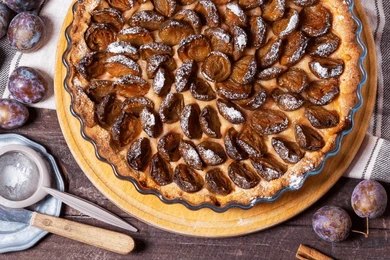
Zwetschekuchen, also commonly spelled Zwetschgenkuchen, is a beloved German plum cake made with ripe European plums arranged over a tender buttery base. The fruit becomes wonderfully soft and jammy during baking while its natural tartness balances the sweetness of the cake. A delicate cinnamon crumble topping adds a pleasant buttery crunch.This traditional German bake is especially popular during late summer and early autumn, when fresh Zwetschgen, a type of small European plum, are in season.\
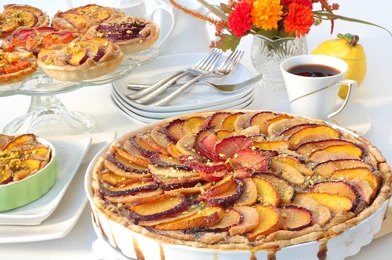
Zwetschekuchen:
Depending on the region and family recipe, Zwetschgenkuchen may be prepared with yeast dough, shortcrust pastry, or a simple cake-like base.The finished dessert is rustic, fragrant, and perfect for serving with freshly brewed coffee or tea. It is a wonderful example of Germany’s Kaffee und Kuchen tradition and makes an excellent dessert for family gatherings, weekend baking, afternoon tea, and seasonal celebrations.
History:
Zwetschgenkuchen has deep roots in German-speaking Europe and is particularly associated with southern Germany and other regions where European plums grow abundantly. The cake developed as a practical seasonal dessert that allowed home bakers to make delicious use of freshly harvested fruit.Traditional versions vary considerably from one region to another. Some use a yeasted dough, while others feature shortcrust or a soft butter cake base. The plums are typically arranged closely together over the dough, allowing their juices to soak into the base as the cake bakes.
Subscribe to our youtube channel Kitchenpedia for more delicious recipes and hit the like button if you enjoyed this youtubevideo. Share it with your friends and Family.
Zwetschekuchen (German Plum Tart)

Ingredients
For the Pastry Base
- 250 g all-purpose flour
- 125 g unsalted butter, cold and cubed
- 75 g granulated sugar
- 1 large egg
- 1 teaspoon vanilla extract
- ¼ teaspoon salt
- 1–2 tablespoons cold water, if needed
For the Plum Filling
- 750 g–1 kg fresh Zwetschgen or European plums
- 2 tablespoons granulated sugar
- 1 teaspoon ground cinnamon
- 1 tablespoon all-purpose flour or fine breadcrumbs
For the Cinnamon Crumble
- 75 g all-purpose flour
- 50 g granulated sugar
- 50 g cold unsalted butter
- ½ teaspoon ground cinnamon
- Pinch of salt
For Serving
- Powdered sugar, optional
- Whipped cream, optional
- Vanilla ice cream, optional
Instructions
Prepare the Pastry Dough
- Place the flour, sugar, salt, and cold cubed butter in a large bowl. Rub the butter into the flour using your fingertips until the mixture resembles coarse crumbs.Add the egg and vanilla extract. Mix until the dough begins to come together. If necessary, add 1–2 tablespoons of cold water.
Chill the Dough
- Form the dough into a disc, wrap it, and refrigerate for approximately 30 minutes.Chilling helps the butter firm up and makes the pastry easier to work with.
Prepare the Plums
- Wash the plums thoroughly and pat them dry. Cut each plum in half and remove the pits.For the traditional appearance, slice each plum lengthwise several times without completely separating the slices. This makes it easier to arrange the fruit attractively on the cake.
Preheat the Oven
- Preheat the oven to 180°C / 350°F.Grease a 9- or 10-inch tart pan or springform pan.
Roll the Pastry
- Place the chilled dough on a lightly floured surface and roll it into a circle large enough to cover the bottom of the pan.Transfer the dough carefully into the pan. Press it gently into the bottom and slightly up the sides.
Prepare the Base
- Prick the pastry lightly with a fork. Sprinkle the tablespoon of flour or breadcrumbs evenly over the base.This helps absorb some of the plum juices during baking and keeps the pastry from becoming excessively soggy.
Arrange the Plums
- Arrange the prepared plum halves closely over the pastry, skin side down or slightly angled upward depending on your preferred presentation.Overlap them slightly if necessary. A generous layer of plums creates the best flavor.
Add Sugar and Cinnamon
- Combine the sugar and cinnamon and sprinkle lightly over the plums.The fruit will release its natural juices while baking, creating a deliciously fruity topping.
Make the Crumble
- Combine flour, sugar, cinnamon, salt, and cold butter in a small bowl. Rub together with your fingertips until coarse crumbs form.Scatter the crumble evenly over the plums.
Bake
- Place the tart in the preheated oven and bake for 40–50 minutes, or until the pastry is golden brown, the crumble is lightly browned, and the plums are tender.If the top begins browning too quickly, loosely cover it with aluminum foil during the final portion of baking.
Cool
- Allow the tart to cool in the pan for approximately 15–20 minutes.This resting time allows the fruit juices to settle and makes slicing easier.
Serve
- Dust with powdered sugar just before serving. Enjoy warm or at room temperature with whipped cream, vanilla ice cream, or a cup of coffee.
Notes
- Use ripe but firm plums so they soften without completely falling apart during baking.
- European plums, often called Zwetschgen, are especially suitable because they have a firm flesh and pleasant tartness.
- If using very juicy plums, sprinkle a little extra flour or breadcrumbs over the pastry base.
- Keep the pastry cold until it is ready to roll.
- Do not overcrowd the fruit so much that the plums form multiple deep layers.
- Baking time may vary depending on the moisture content of the plums.
- Allow the tart to rest before slicing so the juices can thicken slightly.
- Store leftovers covered in the refrigerator and bring them closer to room temperature before serving.
Tips for Zwetschekuchen:
- Choose seasonal fruit: Fresh, flavorful plums make the biggest difference in the finished tart.
- Keep the butter cold: Cold butter produces a more tender, flaky pastry.
- Don’t overwork the dough: Mix only until it comes together.
- Arrange the plums neatly: A fan-like arrangement creates a beautiful presentation.
- Balance sweetness: If your plums are very tart, add an extra tablespoon of sugar.
- Add cinnamon carefully: Too much cinnamon can overpower the delicate plum flavor.
- Let it cool slightly: Warm rather than piping-hot tart is easier to slice cleanly.
- Serve traditionally: A spoonful of lightly sweetened whipped cream pairs beautifully with the tart.
FAQs for Zwetschekuchen:
Q: What is Zwetschekuchen?
Zwetschekuchen, commonly written as Zwetschgenkuchen, is a traditional German plum cake or tart made with fresh European plums over a pastry or cake base.
Q: What are Zwetschgen?
Zwetschgen are a type of European plum. They are generally smaller and firmer than many common dessert plums and are especially popular for baking because they hold their shape well.
Q: Is Zwetschgenkuchen a cake or a tart?
It can be either, depending on the regional recipe. Some German versions use yeast dough, while others use shortcrust pastry or a cake-like batter.
Q: Can I use regular plums?
Yes. If Zwetschgen are unavailable, firm ripe plums can be substituted. Choose varieties that are flavorful but not excessively watery.
Q: Can I make this without crumble?
Absolutely. The tart is delicious with simply sugared and spiced plums. However, the crumble adds a pleasant buttery texture.
Q: Why is my plum tart watery?
Very juicy fruit can release substantial liquid during baking. Using firm plums and adding a light layer of flour or fine breadcrumbs beneath the fruit can help.
Q: Can I prepare the dough ahead of time?
Yes. The pastry dough can be refrigerated, tightly wrapped, for up to 2 days before baking.
Q: Can I freeze Zwetschgenkuchen?
Yes. Once completely cooled, wrap the tart well and freeze it for up to about 2–3 months. Thaw it in the refrigerator and warm gently before serving.
Q: How should I store leftover plum tart?
Store leftovers covered in the refrigerator for up to 3 days. Allow individual portions to sit at room temperature briefly or warm them gently before serving.
Q: What should I serve with German Plum Tart?
Whipped cream, vanilla ice cream, or a simple dusting of powdered sugar are excellent choices. Coffee or black tea makes the dessert especially enjoyable.
Conclusion:
Zwetschekuchen (German Plum Tart) is a beautiful celebration of seasonal fruit and traditional German home baking. The combination of buttery pastry, juicy tart plums, aromatic cinnamon, and golden crumble creates a dessert that is rustic yet wonderfully elegant.
Whether you bake it during fresh plum season or prepare it for a special family gathering, this German classic is best enjoyed slowly with coffee and good company. The contrast between the tender pastry, juicy fruit, and crisp buttery topping makes every slice irresistible.