
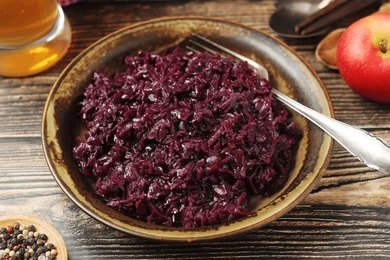
Grandma Jeanette’s Amazing German Red Cabbage is a comforting side dish that transforms humble red cabbage into something deeply flavorful and memorable. Slowly cooked with apples, onion, vinegar, sugar, and warming spices, the cabbage becomes tender while developing the classic sweet-and-sour flavor that makes German Rotkohl so beloved.This colorful dish is an excellent example of traditional German home cooking.
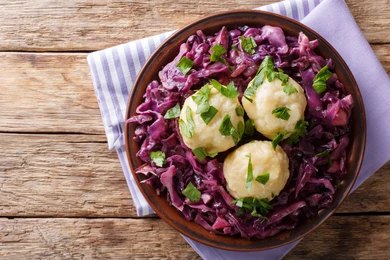
Grandma Jeanette’s Amazing German Red Cabbage:
The combination of naturally earthy cabbage, sweet apples, tangy vinegar, and aromatic spices creates a wonderful balance. Long, gentle cooking allows the flavors to blend together while giving the cabbage a rich, tender texture.German red cabbage is especially popular alongside hearty meals such as roast pork, sausages, schnitzel, and roast goose. It is also a wonderful addition to a Christmas or holiday dinner because it can be prepared ahead of time and often tastes even better after the flavors have had time to develop.
History:
Red cabbage, known as Rotkohl, Rotkraut, or Blaukraut depending on the German-speaking region, has been a staple vegetable in Central European cooking for generations. The different regional names reflect variations in language and cooking traditions.Traditional recipes frequently combine red cabbage with apples, onions, vinegar, and spices. The sweet-and-sour character helps balance rich meat dishes while also complementing the cabbage’s earthy flavor.Families often have their own versions of Rotkohl, adjusting the sweetness, acidity, spices, and cooking time. Recipes passed down through generations may include ingredients such as cloves, bay leaves, apple juice, red wine, or currant jelly. Grandma Jeanette’s version celebrates that comforting tradition with a simple combination of familiar ingredients.
Subscribe to our youtube channel Kitchenpedia for more delicious recipes and hit the like button if you enjoyed this youtubevideo. Share it with your friends and Family.
Grandma Jeanette's Amazing German Red Cabbage

Ingredients
For the Red Cabbage
- 1 large red cabbage, approximately 1–1.2 kg
- 1 medium yellow onion, finely chopped
- 2 medium apples, peeled, cored, and diced
- 2 tablespoons butter or vegetable oil
- 3 tablespoons apple cider vinegar or red wine vinegar
- 2–3 tablespoons granulated sugar
- 180 ml apple juice or water
- 1 teaspoon salt
- ½ teaspoon freshly ground black pepper
- 3 whole cloves
- 2 bay leaves
Optional Ingredients
- 1 tablespoon red currant jelly
- 2 tablespoons red wine
- 1 tablespoon lemon juice
- 1 small apple, thinly sliced, for garnish
Instructions
Prepare the Cabbage
- Remove any damaged outer leaves from the red cabbage. Cut the cabbage into quarters and remove the hard central core.Slice the cabbage thinly and evenly. Rinse briefly if needed and drain thoroughly.
Prepare the Apples and Onion
- Peel, core, and dice the apples. Finely chop the onion.Using naturally sweet apples such as Gala, Fuji, or Honeycrisp provides a pleasant contrast to the vinegar.
Sauté the Onion
- Heat the butter or oil in a large heavy-bottomed pot over medium heat.Add the chopped onion and cook for approximately 4–5 minutes, stirring occasionally, until softened and translucent.
Add the Apples
- Add the diced apples and cook for another 2–3 minutes. The apples should begin to soften but do not need to become completely tender at this stage.
Add the Red Cabbage
- Add the sliced cabbage to the pot. It may seem like there is too much cabbage at first, but it will shrink considerably as it cooks.Stir well to combine the cabbage, onion, and apples.
Season
- Add the vinegar, sugar, apple juice, salt, pepper, cinnamon, cloves, and bay leaves.If using red currant jelly, stir it in now for an extra layer of fruity sweetness.
Simmer Slowly
- Bring the mixture to a gentle simmer. Reduce the heat to low and cover the pot.Cook for approximately 60–75 minutes, stirring occasionally.The cabbage should become tender but retain enough texture to avoid becoming mushy.
Adjust the Flavor
- Taste the cabbage toward the end of cooking.Add a little more vinegar if you prefer a sharper flavor, or a small amount of sugar if you prefer a sweeter Rotkohl.
Rest and Serve
- Remove the bay leaves and whole cloves before serving.Allow the cabbage to rest for 5–10 minutes. Serve warm alongside your favorite German main dishes.
Notes
- Slice the cabbage thinly and evenly for consistent cooking.
- Choose apples that are naturally sweet but slightly firm.
- Use apple cider vinegar or red wine vinegar for a balanced German-style flavor.
- Keep the cooking temperature low to prevent scorching.
- Stir occasionally during cooking to distribute the liquid and seasonings.
- Remove whole spices before serving.
- Adjust the sweet-and-sour balance according to your taste.
- The flavor often becomes even better after resting or reheating the next day.
Tips for Amazing German Red Cabbage:
- Use a sharp knife: Thin cabbage slices cook more evenly and absorb the seasoning beautifully.
- Don’t rush the cooking: Slow simmering creates a deeper, richer flavor.
- Balance acidity: Add vinegar gradually if you are unsure how tangy you want the dish.
- Add red currant jelly: A spoonful provides a classic fruity sweetness and glossy finish.
- Use apple juice: It adds natural sweetness without requiring too much sugar.
- Make it ahead: Prepare the cabbage a day before serving for even more developed flavor.
- Keep some texture: Avoid boiling vigorously because it can make the cabbage overly soft.
- Serve hot: Warm Rotkohl pairs particularly well with rich roasted meats and sausages.
FAQs for Amazing German Red Cabbage:
Q: What is German red cabbage called?
German red cabbage is commonly called Rotkohl or Rotkraut. In some regions, particularly parts of southern Germany and Austria, it may be called Blaukraut.
Q: What does German red cabbage taste like?
It has a delicious combination of sweet, tangy, fruity, and savory flavors. Apples and sugar provide sweetness, while vinegar supplies the characteristic acidity.
Q: Why is vinegar added to red cabbage?
Vinegar provides the traditional sweet-and-sour flavor and also helps maintain the cabbage’s attractive reddish-purple color.
Q: Can I make German red cabbage ahead of time?
Yes. It is an excellent make-ahead side dish. Refrigerate it in a covered container and gently reheat it before serving.
Q: Can I freeze Rotkohl?
Yes. Allow it to cool completely before transferring it to a freezer-safe container. It can generally be frozen for up to 2–3 months.
Q: What apples are best for German red cabbage?
Firm, flavorful apples such as Gala, Honeycrisp, Fuji, Braeburn, or Granny Smith can work well. Combining a sweet apple with a tart apple creates especially good balance.
Q: Can I make this recipe vegetarian?
Yes. Use vegetable oil or plant-based butter instead of regular butter. The rest of the basic recipe is naturally vegetarian.
Q: Can I make it vegan?
Absolutely. Replace butter with a neutral vegetable oil or vegan butter and check that any optional ingredients are vegan.
Q: What meat goes well with German red cabbage?
Rotkohl is traditionally delicious with roast pork, sausages, pork roast, schnitzel, duck, and goose. It also pairs beautifully with hearty vegetarian dishes.
Q: Why does my red cabbage turn blue?
The color of red cabbage naturally changes depending on acidity. Adding vinegar or another acidic ingredient helps maintain a more vibrant reddish-purple color.
Conclusion:
Grandma Jeanette’s Amazing German Red Cabbage is the kind of comforting side dish that turns an ordinary meal into something special. Tender red cabbage, sweet apples, aromatic spices, and tangy vinegar come together in a beautifully balanced dish that is both rustic and elegant.
Its make-ahead quality makes it especially useful for holiday meals, while its simple ingredients make it easy enough for a weeknight dinner. Serve a generous spoonful beside roast pork, sausages, schnitzel, or your favorite hearty meal, and enjoy a classic taste of German home cooking.