
 with this easy step-by-step recipe featuring cornmeal, rye flour, a rustic golden crust, and a hearty homemade texture. Discover traditional Portuguese bread history, ingredient substitutions, baking tips, nutritional information, storage advice, and delicious serving ideas for soups, stews, seafood, and family meals.)
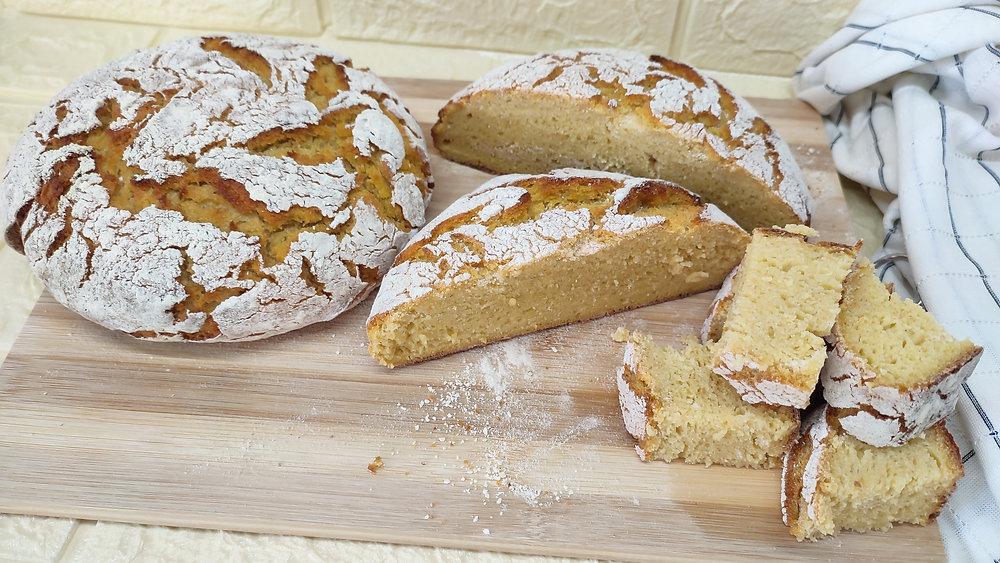
Broa, also known as Portuguese cornbread, is a traditional rustic bread celebrated for its hearty texture, distinctive corn flavor, and beautifully crisp crust. Popular in Portugal, particularly in northern regions, this beloved bread is commonly made with cornmeal and may include rye flour, wheat flour, yeast, and warm water. The result is a flavorful loaf with a dense crumb and a rustic appearance that pairs wonderfully with soups, stews, fish dishes, and traditional Portuguese meals.
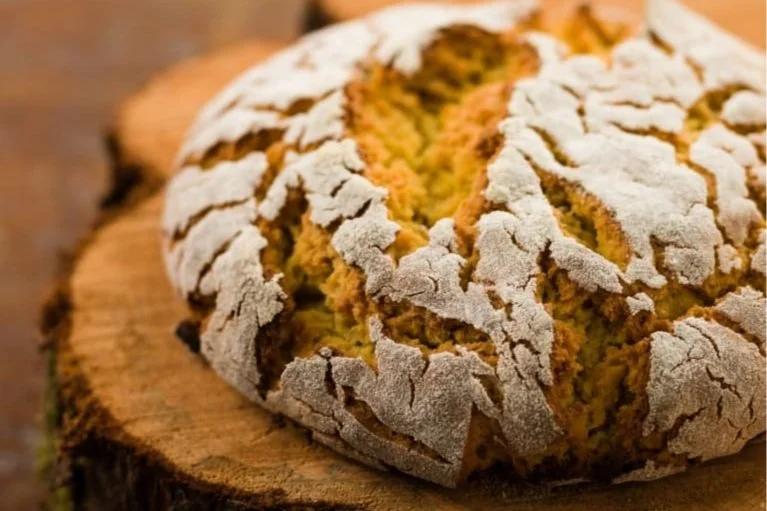
Broa (Portuguese Cornbread):
Unlike soft, sweet American-style cornbread, Portuguese broa is generally shaped into a round loaf and baked until the outside develops a firm, golden-brown crust. Its interior is substantial and satisfying, making it an excellent choice for everyday meals. Depending on the region and family recipe, broa can vary in color, texture, and flavor, with some versions featuring a stronger corn taste and others incorporating rye for extra depth.
One of the most appealing aspects of homemade broa is its simple, wholesome character. With a handful of pantry ingredients and a little patience, you can create a traditional-style loaf that fills your kitchen with the comforting aroma of freshly baked bread. Serve it warm with olive oil, alongside a bowl of caldo verde, or with your favorite Portuguese-inspired dishes for a delicious taste of Portugal.
History:
Broa has deep roots in Portuguese food culture, particularly in rural communities where hearty homemade bread was an essential part of daily life. Corn became an important crop in Portugal after its introduction to Europe from the Americas, and over time, cornmeal became a defining ingredient in many regional breads.Traditional broa is especially associated with northern Portugal, where families developed recipes using locally available grains. Cornmeal is often combined with rye or wheat flour to improve the structure of the loaf, while yeast or a traditional fermentation method helps create its characteristic texture.Historically, broa was baked in wood-fired ovens and served with a wide variety of foods, including soups, vegetables, fish, and meat. Today, it remains a cherished part of Portuguese cuisine, appearing in bakeries, restaurants, and home kitchens. Although recipes differ from one region to another, broa continues to represent the simplicity and resourcefulness of traditional Portuguese baking.
Subscribe to our youtube channel Kitchenpedia for more delicious recipes and hit the like button if you enjoyed this youtubevideo. Share it with your friends and Family.
Broa (Portuguese Cornbread)

Ingredients
- 2 cups (250 g) fine or medium cornmeal
- 1 cup (125 g) bread flour or all-purpose flour
- 1 cup (120 g) rye flour
- 1 teaspoon instant yeast
- 1 teaspoon salt
- 1 tablespoon olive oil, optional
- 1 1/2 to 2 cups (360–480 ml) warm water, approximately
- 1 teaspoon sugar, optional, to help activate the yeast
Instructions
- Place the cornmeal in a large heatproof mixing bowl. For a more traditional-style texture, pour about 1 cup of boiling water over the cornmeal and stir carefully. Allow it to cool until warm rather than hot.This step softens the cornmeal and helps create a more cohesive loaf. Avoid adding yeast while the mixture is hot, as excessive heat can damage the yeast.
- In a separate bowl, combine the bread flour, rye flour, yeast, salt, and optional sugar. Mix thoroughly so the yeast and salt are evenly distributed throughout the flour.
- Add the flour mixture to the cooled cornmeal. Gradually pour in the remaining warm water, mixing with a wooden spoon or your hands until a rough dough forms. Add the optional olive oil if desired.The dough should feel moist and slightly sticky but should still hold its shape. Add a little extra flour if it is excessively wet, or a small amount of water if it feels too dry and crumbly.
- Transfer the dough to a lightly floured surface. Knead for approximately 8–10 minutes, until it becomes more cohesive and elastic.Because cornmeal contains no gluten, the dough will not become as stretchy as ordinary wheat bread dough. The wheat flour provides much of the structure, while the cornmeal gives broa its characteristic texture.
- Place the dough in a lightly greased bowl and cover it with a clean kitchen towel. Leave it in a warm place for approximately 60–90 minutes, or until it has expanded noticeably.The dough may not double in size as dramatically as a wheat-only loaf, so look for a visible increase in volume.
- Gently transfer the dough to a floured work surface. Shape it into a round, slightly flattened loaf. Dust the surface lightly with cornmeal for a rustic finish.Place the loaf on a baking tray lined with parchment paper. Cover loosely and let it rest for another 20–30 minutes while the oven heats.
- Preheat your oven to 220°C (425°F). For a more rustic crust, place an oven-safe tray on the lower rack and add hot water to it just after putting the bread in, taking care to avoid steam burns.
- Bake the loaf at 220°C (425°F) for 15 minutes. Reduce the temperature to 200°C (400°F) and continue baking for another 25–35 minutes.The loaf should develop a deep golden-brown crust and sound hollow when tapped on the underside. If you use a food thermometer, the center should generally reach around 95–98°C (203–208°F).
- Transfer the bread to a wire rack and allow it to cool for at least 30–45 minutes. This gives the crumb time to set and makes slicing easier.
- Slice your homemade broa and serve it with olive oil, butter, cheese, soup, or your favorite Portuguese main course. It is especially delicious alongside vegetable soups and hearty bean dishes.
Notes
- Cornmeal selection: Fine or medium cornmeal generally produces a more cohesive loaf than very coarse cornmeal.
- Water temperature: Use warm water for the yeast and allow the scalded cornmeal to cool before combining the ingredients.
- Flour combinations: Rye flour contributes earthy flavor, while wheat flour helps the bread hold its shape.
- Dough consistency: Broa dough is typically denser and less elastic than conventional white bread dough.
- Rising time: The dough may require more or less time depending on room temperature and yeast activity.
- Crust development: A hot oven helps produce the characteristic rustic crust.
- Cooling: Let the bread cool thoroughly before slicing to avoid a gummy interior.
- Recipe variations: Some Portuguese recipes use different ratios of cornmeal, rye, and wheat flour, so the final texture can vary.
Tips for Portuguese Cornbread:
- Use good-quality cornmeal for the best flavor and texture.
- Pour boiling water over part of the cornmeal to soften it before mixing the dough.
- Measure the water gradually because different cornmeal brands absorb different amounts.
- Avoid adding too much flour, which can make the loaf dry and heavy.
- Knead until the dough holds together well, without expecting the elasticity of a wheat-only loaf.
- Allow sufficient rising time for a lighter crumb.
- Bake until the crust is deeply golden and the center is fully cooked.
- Store leftover bread properly to preserve its flavor and prevent it from drying out too quickly.
FAQs for Broa (Portuguese Cornbread):
1. What is Broa in Portuguese cuisine?
Broa is a traditional Portuguese bread commonly made with cornmeal and often combined with rye or wheat flour. It is known for its rustic crust, hearty texture, and distinctive corn flavor.
2. Is Portuguese broa the same as American cornbread?
No. American cornbread is often softer, sweeter, and prepared as a quick bread using baking powder or baking soda. Portuguese broa is generally a yeast-raised loaf with a firmer crust and a denser texture.
3. Can I make broa without rye flour?
Yes. You can replace the rye flour with additional wheat flour. The bread will still be delicious, although its flavor and texture will differ from rye-containing versions.
4. Can I make broa without yeast?
Yes, but the result will be different. Yeast-free versions generally have a denser texture and may require a different recipe with an appropriate leavening agent.
5. Why is my broa too dense?
Common causes include insufficient rising time, inactive yeast, overly dry dough, or too much cornmeal relative to the wheat flour. Check your yeast and add water gradually to maintain a cohesive dough.
6. What foods pair well with Portuguese broa?
Broa pairs beautifully with caldo verde, bean soup, vegetable stews, grilled fish, sardines, cheeses, olives, and olive oil. It is also delicious toasted and served with savory toppings.
7. How should I store homemade broa?
Store completely cooled bread in a bread bag or airtight container at room temperature for approximately 2–3 days. For longer storage, slice the loaf and freeze it in a freezer-safe bag for up to 2–3 months for best quality.
8. Can I make broa gluten-free?
Traditional broa recipes often contain wheat or rye flour, both of which contain gluten. A gluten-free version requires suitable gluten-free flour blends and a modified recipe to help the loaf hold together.
Conclusion:
Broa (Portuguese Cornbread) is a wonderful example of traditional Portuguese baking, combining the hearty flavor of cornmeal with the earthy notes of rye and the structure of wheat flour. Its rustic appearance, crisp crust, and satisfying interior make it an excellent accompaniment to soups, stews, seafood, and many everyday meals.Although making broa takes patience, the process is rewarding and uses simple ingredients that are easy to find. By softening the cornmeal, allowing the dough enough time to rise, and baking the loaf until golden brown, you can enjoy homemade bread inspired by Portugal’s rich culinary heritage.Whether served warm at the family table or toasted the following day, this traditional-style bread brings comfort, flavor, and a touch of Portuguese cooking to your kitchen.