

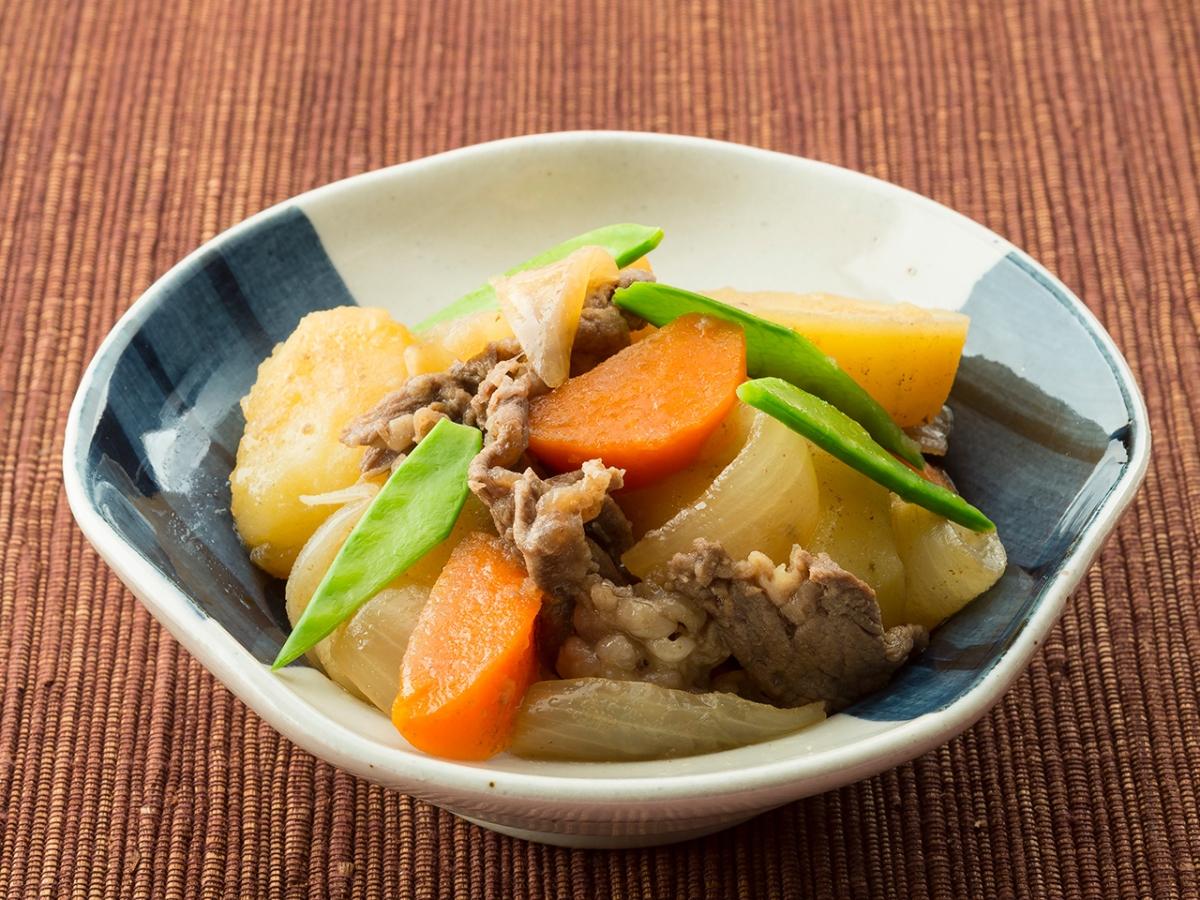
Nikujaga is a comforting Japanese home-style dish made with tender beef, soft potatoes, sweet onions, and a delicate broth flavored with soy sauce, mirin, sake, and sugar. Its name combines niku, meaning meat, and jaga, a shortened form of jagaimo, meaning potato. Unlike thick Western stews, Nikujaga has a light, savory-sweet broth that gently seasons every ingredient while allowing the natural flavors of the meat and vegetables to shine.
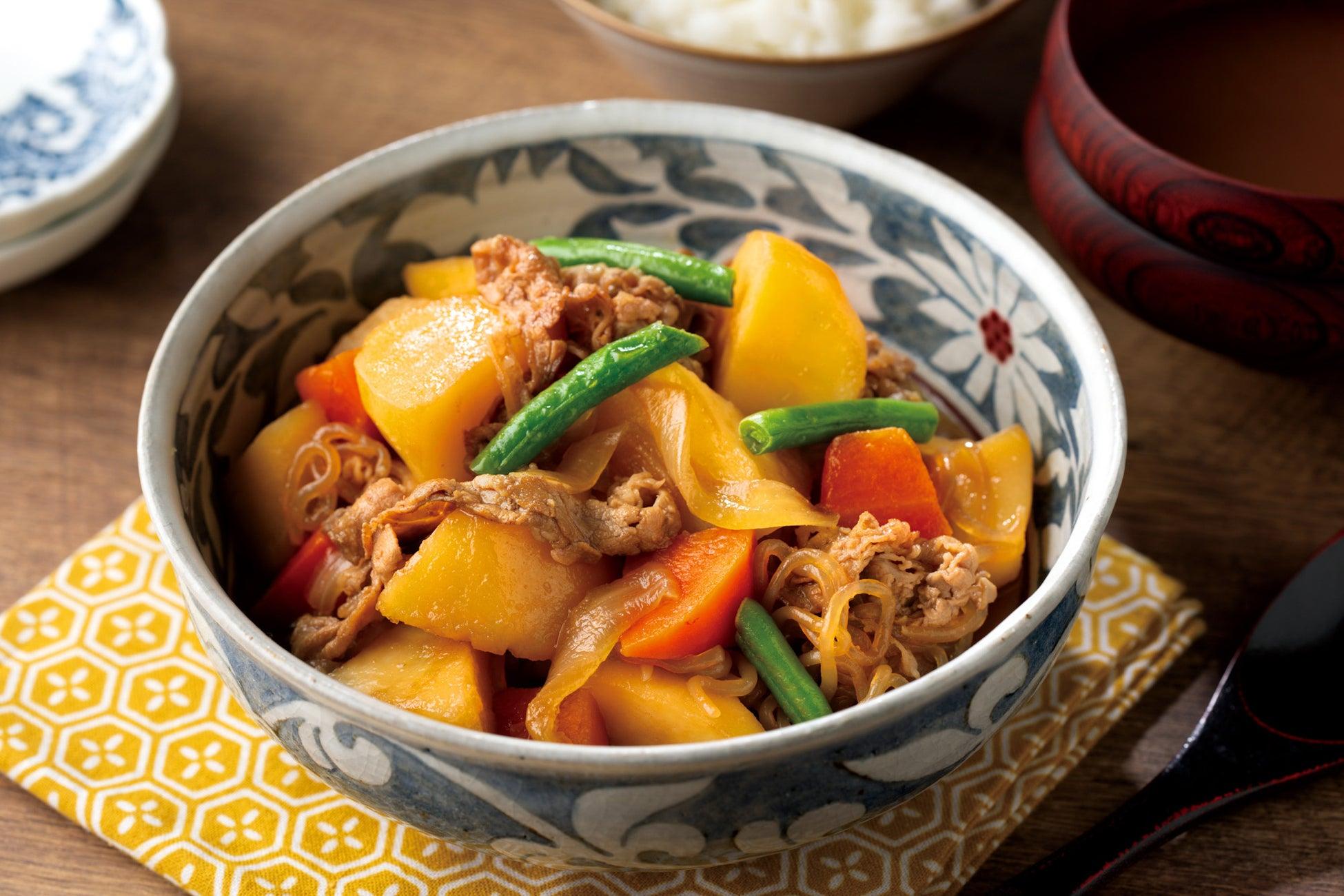
Nikujaga (Japanese-style meat and potatoes):
This traditional Japanese recipe is loved for its simple ingredients, satisfying texture, and heartwarming flavor. As the potatoes simmer, they absorb the seasoned broth, becoming soft and flavorful without requiring a complicated cooking process. Thinly sliced beef cooks quickly, while onions contribute natural sweetness and carrots add color and a little extra texture. The result is a balanced, nourishing meal that tastes even better when served with a bowl of freshly steamed rice.
Whether you are exploring Japanese cuisine or searching for an easy dinner to add to your weekly menu, Nikujaga is a wonderful choice. It uses everyday ingredients, requires just one main cooking pot, and can be adapted to suit your preferences. Serve it as a cozy family meal on a chilly evening or prepare it ahead of time for a convenient lunch. This homemade Nikujaga recipe brings the warmth and simplicity of Japanese comfort food straight to your kitchen.
History of Nikujaga:
Nikujaga is widely associated with the development of modern Japanese home cooking during the Meiji period, when Japan was becoming more familiar with Western influences and beef consumption was growing. A popular story connects the dish to Japanese naval cuisine and the desire to recreate a Western-style beef stew, although the precise historical details of its origin remain debated.
The dish became a familiar part of Japanese family meals because it uses affordable ingredients and straightforward cooking techniques. Potatoes, onions, carrots, and thinly sliced meat are simmered in a seasoned broth, making a practical meal that can be prepared without elaborate equipment.
Today, Nikujaga is considered a classic Japanese comfort food. Families often have their own preferred balance of sweetness and saltiness, and recipes may vary by region or household. Its simple preparation and familiar flavors have helped it remain popular across generations.
Subscribe to our youtube channel Kitchenpedia for more delicious recipes and hit the like button if you enjoyed this youtubevideo. Share it with your friends and Family.
Nikujaga (Japanese-style meat and potatoes)

Ingredients
Main ingredients
- 400 g thinly sliced beef, preferably chuck, ribeye, or sirloin
- 4 medium potatoes, peeled and cut into large chunks
- 1 large onion, thinly sliced
- 1 medium carrot, peeled and cut into bite-sized pieces
- 150 g shirataki noodles, drained and rinsed, optional
- 2 green onions, sliced, for garnish
- 1 tablespoon neutral cooking oil
For the seasoning broth
- 2 cups dashi stock
- 3 tablespoons Japanese soy sauce
- 3 tablespoons mirin
- 2 tablespoons sake
- 1 tablespoon sugar
Instructions
- Peel the potatoes and cut them into evenly sized, large chunks. Slice the onion, cut the carrot into bite-sized pieces, and separate the thin slices of beef. Rinse the shirataki noodles and cut them into shorter lengths if necessary.
- Heat the cooking oil in a medium-sized pot over medium heat. Add the beef and cook for 2–3 minutes, stirring gently until it begins to change color. Avoid browning it too heavily, as Nikujaga is traditionally a gently simmered dish.
- Add the sliced onions and carrots to the pot. Stir for a few minutes until the onions begin to soften. Add the potatoes and stir carefully so the ingredients are coated with the juices from the beef.
- Add the dashi stock and bring the mixture to a gentle boil. Skim off any foam that rises to the surface to help keep the broth clear and clean-tasting.
- Add the soy sauce, mirin, sake, and sugar. Stir gently to distribute the seasonings. Add the shirataki noodles if using, spreading them throughout the pot.
- Taste the broth and adjust the seasoning if necessary. If the broth seems too salty, add a little water or dashi. If you prefer a sweeter flavor, add a small pinch of sugar. Let the stew rest for 5 minutes before serving so the flavors settle.
- Ladle the Nikujaga into serving bowls and garnish with sliced green onions. Serve hot with steamed Japanese rice, miso soup, or pickled vegetables for a traditional-style Japanese meal.
Notes
- Choose suitable beef: Thinly sliced beef cooks quickly and blends well with the vegetables.
- Cut potatoes evenly: Similar-sized chunks cook at a consistent rate.
- Use a gentle simmer: A rolling boil can cause potatoes to break apart.
- Do not add excessive liquid: Nikujaga is a simmered dish with a lightly seasoned broth, not a thick soup.
- Skim the broth: Removing excess foam helps create a cleaner-tasting stew.
- Add shirataki noodles if desired: They provide extra texture and are a popular addition.
- Taste before serving: Soy sauce brands differ in saltiness, so adjust the broth to your preference.
- Rest before eating: A short resting period allows the ingredients to absorb more flavor.
Tips for the Best Nikujaga
-
Use waxy or medium-starch potatoes if you want the chunks to hold their shape.
-
Cut the potatoes into larger pieces to reduce the chance of them falling apart.
-
Add the beef before the vegetables to build a flavorful base.
-
Use authentic Japanese soy sauce and mirin for a more traditional taste.
-
Arrange the ingredients evenly in the pot so they cook consistently.
-
Avoid frequent stirring; gently shake the pot or move the ingredients with a spoon.
-
Prepare the stew ahead of time when convenient, as the flavors can deepen after resting in the refrigerator.
-
Serve with warm rice and a light side dish to balance the savory-sweet broth.
FAQ’s for Nikujaga (Japanese-style meat and potatoes):
1. What is Nikujaga?
Nikujaga is a traditional Japanese home-style stew made with meat, potatoes, onions, and often carrots. It is simmered in a broth seasoned with soy sauce, mirin, sugar, sake, and dashi.
2. What does Nikujaga mean in English?
Nikujaga literally combines the Japanese words for meat and potato. The name describes the dish’s two main ingredients.
3. What kind of meat is best for Nikujaga?
Thinly sliced beef is a popular choice, particularly chuck, ribeye, or sirloin. Thinly sliced pork is also common in some regions and households.
4. Is Nikujaga sweet or savory?
Nikujaga is both savory and mildly sweet. Soy sauce provides saltiness and umami, while mirin and sugar add a gentle sweetness.
5. Can I make Nikujaga without sake?
Yes. Replace the sake with additional dashi or water. The flavor will be slightly different, but the stew will still be enjoyable.
6. Can I make Nikujaga vegetarian?
Yes. Replace the beef with mushrooms, tofu, or additional vegetables, and use vegetarian dashi or vegetable stock. Check the seasonings to ensure they are suitable for your dietary preferences.
7. What potatoes work best for Nikujaga?
Waxy or medium-starch potatoes hold their shape well during simmering. If you use floury potatoes, handle them gently because they may soften and break apart more easily.
8. What should I serve with Nikujaga?
Steamed Japanese rice is the classic accompaniment. Miso soup, Japanese pickles, and a simple green vegetable side dish also pair nicely with the stew.
9. Can I make Nikujaga ahead of time?
Yes. You can prepare it a day ahead and refrigerate it promptly. Reheating gently helps the flavors develop, although the potatoes may become softer after storage.
10. How do I store and reheat leftover Nikujaga?
Place leftovers in an airtight container and refrigerate within two hours of cooking. Eat within 3–4 days, reheating until steaming hot throughout. Add a splash of water or dashi if the broth has reduced.
Conclusion:
Nikujaga is a wonderful example of Japanese comfort food: simple ingredients, gentle seasoning, and a satisfying combination of tender beef and soft potatoes. The savory-sweet broth brings together the flavors of meat, onions, and carrots, creating a warm and hearty dish that is perfect for everyday family meals.
With this easy homemade recipe, you can enjoy the familiar taste of Japanese home cooking without complicated techniques or special equipment. Customize the vegetables, adjust the sweetness to your liking, and serve each bowl with steamed rice for a complete meal. Whether you are new to Japanese cuisine or already love its comforting dishes, Nikujaga deserves a place in your recipe collection.