

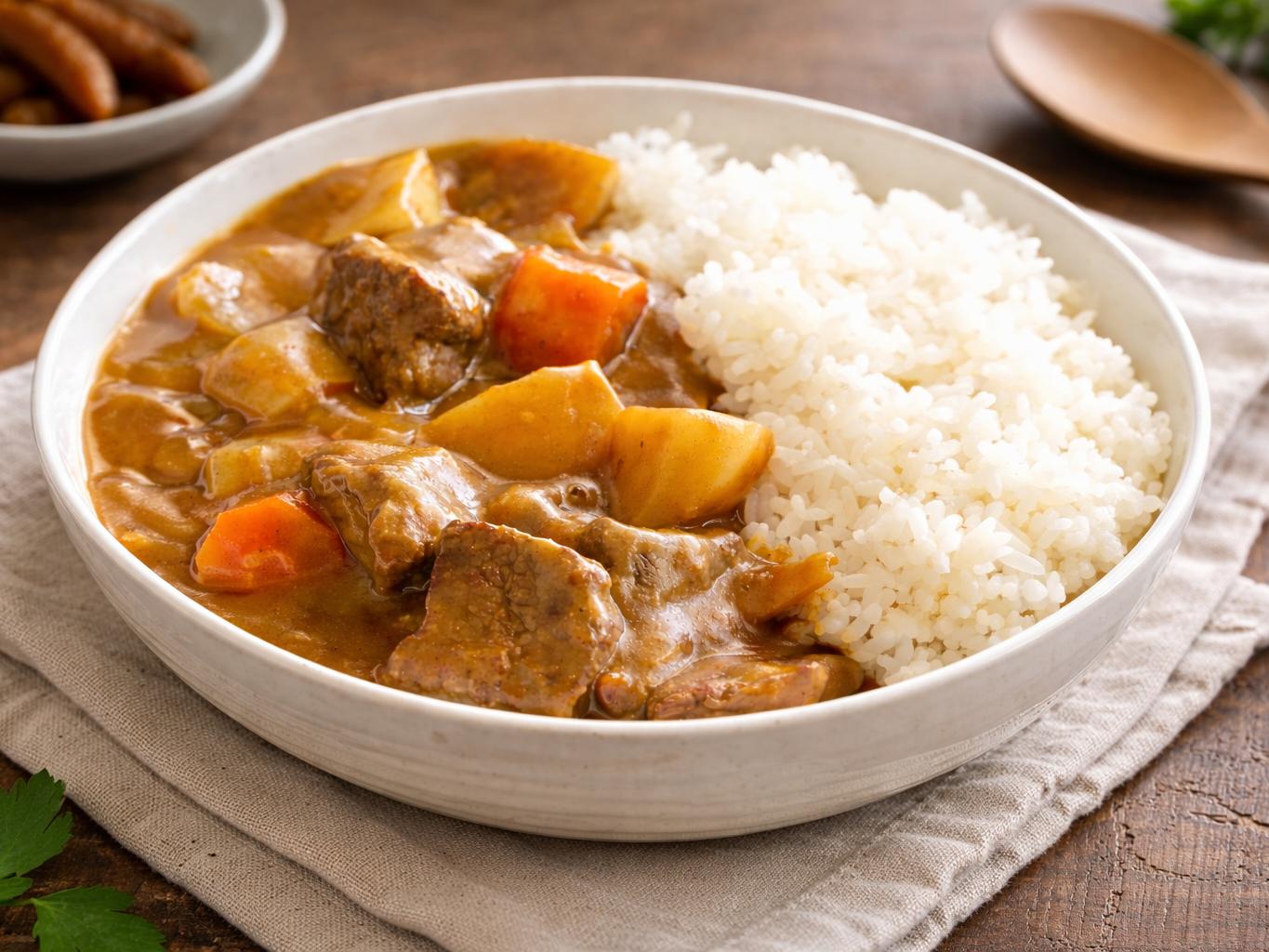
Japanese Curry, also known as Kare Raisu, is a popular Japanese comfort food loved for its thick, rich sauce, tender meat, and hearty vegetables. Made with beef, potatoes, carrots, and onions, this delicious dish combines mild spices with a savory-sweet flavor that pairs perfectly with fluffy steamed rice. Unlike many other Asian curries, Japanese curry is usually less spicy and has a smooth, gravy-like consistency, making it an excellent meal for the entire family.
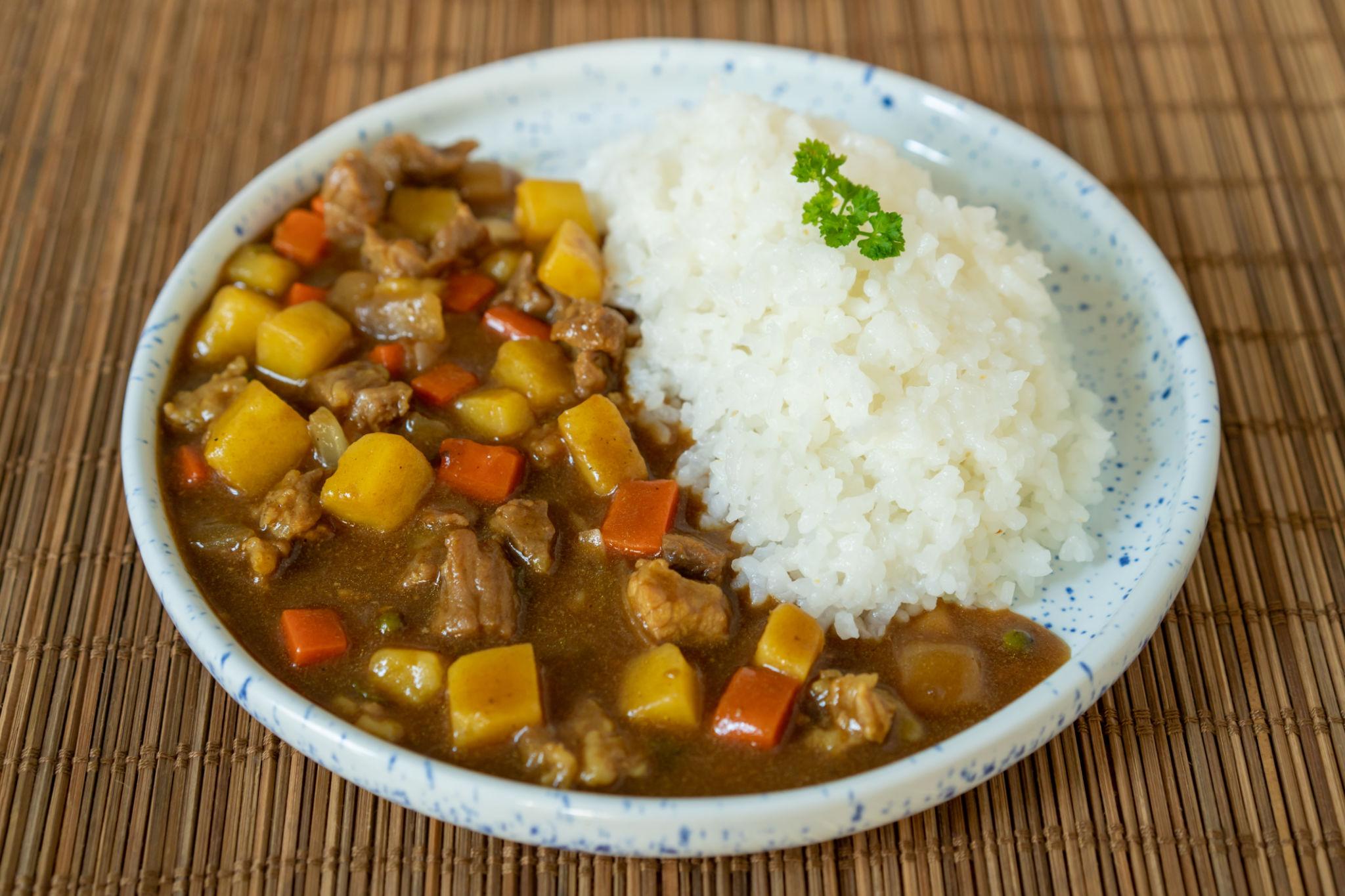
Japanese Curry:
of the key ingredients in Japanese Curry is curry roux, which gives the sauce its distinctive thickness, color, and flavor. You can use convenient Japanese curry roux blocks or prepare a homemade version with butter, flour, and curry powder. As the beef and vegetables simmer, they absorb the seasoning and become tender, creating a satisfying dish with layers of flavor. You can also customize the recipe with chicken, pork, mushrooms, or additional vegetables.
This easy Japanese Curry recipe is perfect for weeknight dinners, family gatherings, and meal preparation. It requires simple ingredients, straightforward cooking techniques, and just one main pot. Serve it hot with steamed rice and Japanese pickles for a comforting meal that brings the flavors of Japanese home cooking to your table.
History:
Japanese Curry developed during the Meiji period in the late nineteenth century, when curry influenced by British cuisine was introduced to Japan. British curry had previously been influenced by South Asian culinary traditions, and Japan gradually adapted the dish to local tastes and ingredients.Over time, Japanese cooks created a thicker, milder curry featuring familiar vegetables such as potatoes, carrots, and onions. The introduction of commercial curry powder and ready-made curry roux made the dish easier to prepare at home, helping it become a staple of Japanese cooking.Today, Japanese Curry is enjoyed in homes, restaurants, and school cafeterias throughout Japan. It is served in several forms, including curry rice, curry udon noodles, and curry bread. Its comforting flavor and versatility have made it popular around the world.
Subscribe to our youtube channel Kitchenpedia for more delicious recipes and hit the like button if you enjoyed this youtubevideo. Share it with your friends and Family.
Japanese Curry

Ingredients
For the curry
- 500 g beef chuck, cut into bite-sized pieces
- 2 medium potatoes, peeled and cubed
- 2 medium carrots, peeled and sliced
- 2 large onions, thinly sliced
- 2 tablespoons vegetable oil
- 4 cups beef stock or water
- 100–120 g Japanese curry roux blocks, or the amount specified on the package
- 1 tablespoon soy sauce, optional
- 1 teaspoon honey or sugar, optional
- Salt and black pepper, to taste
For serving
- 4 cups cooked Japanese short-grain rice
- Japanese pickled radish or fukujinzuke, optional
- Sliced green onions, optional
Instructions
- Cut the beef into bite-sized pieces. Peel and chop the potatoes and carrots, then thinly slice the onions. Prepare the rice separately so it is ready when the curry is finished.
- Heat the vegetable oil in a large pot over medium-high heat. Add the beef in batches and brown the pieces lightly on all sides. Avoid overcrowding the pot, as the meat may steam rather than brown.
- Add the sliced onions to the pot and cook for 5–8 minutes, stirring occasionally. Allow them to soften and turn lightly golden. This develops a sweeter, deeper flavor in the finished curry.
- Add the potatoes and carrots to the pot. Stir gently for 2–3 minutes, coating the vegetables with the flavorful oil and onion mixture.
- Pour in the beef stock or water and bring it to a boil. Reduce the heat to low, cover partially, and simmer for approximately 25–35 minutes, or until the beef and vegetables are tender. Skim off any foam that rises to the surface.
- Reduce the heat to low. Break the Japanese curry roux into smaller pieces and stir until completely dissolved. If using homemade roux, melt the butter in a separate pan, whisk in the flour, and cook until lightly golden. Stir in the curry powder, then gradually incorporate some hot broth before adding the mixture to the main pot.
- Simmer gently for another 5–10 minutes, stirring frequently to prevent the curry from sticking. Add soy sauce and honey if desired. Taste the sauce and adjust the seasoning or consistency with a little water or stock.
- Spoon the cooked rice onto serving plates and ladle the Japanese Curry beside it. Garnish with sliced green onions and serve with Japanese pickles for a refreshing contrast to the rich sauce.
Notes
- Choose suitable beef: Beef chuck works well because it becomes tender during slow simmering.
- Brown the meat first: This develops a richer flavor.
- Cook the onions thoroughly: Softened onions add natural sweetness.
- Add roux after simmering: This helps prevent the thick sauce from sticking during the longer cooking stage.
- Keep the heat low: Gentle simmering helps maintain a smooth curry texture.
- Cut vegetables evenly: Similar-sized pieces cook at approximately the same rate.
- Adjust the consistency: Add small amounts of water or stock if the curry becomes too thick.
- Check seasoning carefully: Packaged curry roux can already contain plenty of salt.
Tips for Japanese Curry:
- Use Japanese short-grain rice for a traditional serving experience.
- Allow the onions to become lightly golden for additional sweetness.
- Use good-quality beef stock to deepen the flavor.
- Add a little grated apple for subtle sweetness, if desired.
- Stir frequently after adding the roux to prevent scorching.
- Add mushrooms or peas for extra vegetables and texture.
- Let the curry rest for 5–10 minutes before serving.
- Make extra portions for convenient lunches and dinners later in the week.
FAQs for Japanese Curry:
1. What is Japanese Curry?
Japanese Curry, or Kare Raisu, is a thick, mildly spiced curry typically made with meat, potatoes, carrots, and onions. It is commonly served over steamed rice.
2. Is Curry spicy?
Japanese Curry is generally mild compared with many other curries. You can choose mild, medium-hot, or hot Japanese curry roux depending on your preferred spice level.
3. What is curry roux?
curry roux is a mixture of fat, flour, spices, and seasonings that thickens and flavors the curry. It is commonly sold in blocks at Asian grocery stores.
4. Can I make Curry without packaged roux?
Yes. Prepare a homemade roux using butter, flour, and Japanese-style curry powder. Add it gradually and simmer until the sauce reaches your preferred consistency.
5. Can I use chicken instead of beef?
Yes. Boneless chicken thighs are an excellent alternative. Adjust the cooking time and ensure the chicken reaches an internal temperature of 74°C (165°F).
6. What vegetables can I add?
Potatoes, carrots, and onions are traditional ingredients. Mushrooms, peas, eggplant, and sweet potatoes are also suitable additions.
7. How can I make vegetarian Curry?
Replace the beef with mushrooms, tofu, chickpeas, or extra vegetables. Use vegetable stock and check that your curry roux contains no meat-derived ingredients.
8. Why is my curry too thin?
Simmer it uncovered for a few additional minutes, stirring frequently. If needed, dissolve extra roux in a little hot broth before adding it to the pot.
9. Can I prepare Curry ahead of time?
Yes. Japanese Curry can be prepared in advance and refrigerated promptly. The flavor often deepens after resting, although the potatoes may soften further.
10. How should I store leftovers?
Store leftovers in shallow, airtight containers and refrigerate within two hours of cooking. Consume within 3–4 days and reheat thoroughly until steaming hot. Freeze portions for longer storage.
Conclusion:
Curry is a comforting, flavorful dish that combines tender beef, wholesome vegetables, and a rich, mildly spiced sauce. Its thick texture and subtle sweetness make it a satisfying meal for the entire family, especially when served with freshly steamed rice.With simple ingredients and straightforward preparation, this homemade Curry is perfect for weeknight dinners, weekend cooking, and meal preparation. Customize it with your favorite protein, adjust the spice level, and experiment with additional vegetables to create your own version of this Japanese classic.