

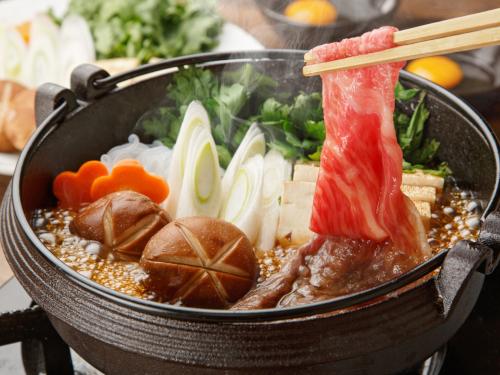
Traditional Beef Sukiyaki is a beloved Japanese hot pot dish featuring thinly sliced beef, tofu, mushrooms, napa cabbage, green onions, and noodles cooked in a rich, savory-sweet sauce. Made with classic Japanese ingredients such as soy sauce, mirin, sake, sugar, and dashi, this comforting meal brings together tender meat, fresh vegetables, and deeply satisfying umami flavors. It is especially popular during colder months and is often enjoyed as a shared meal with family and friends.
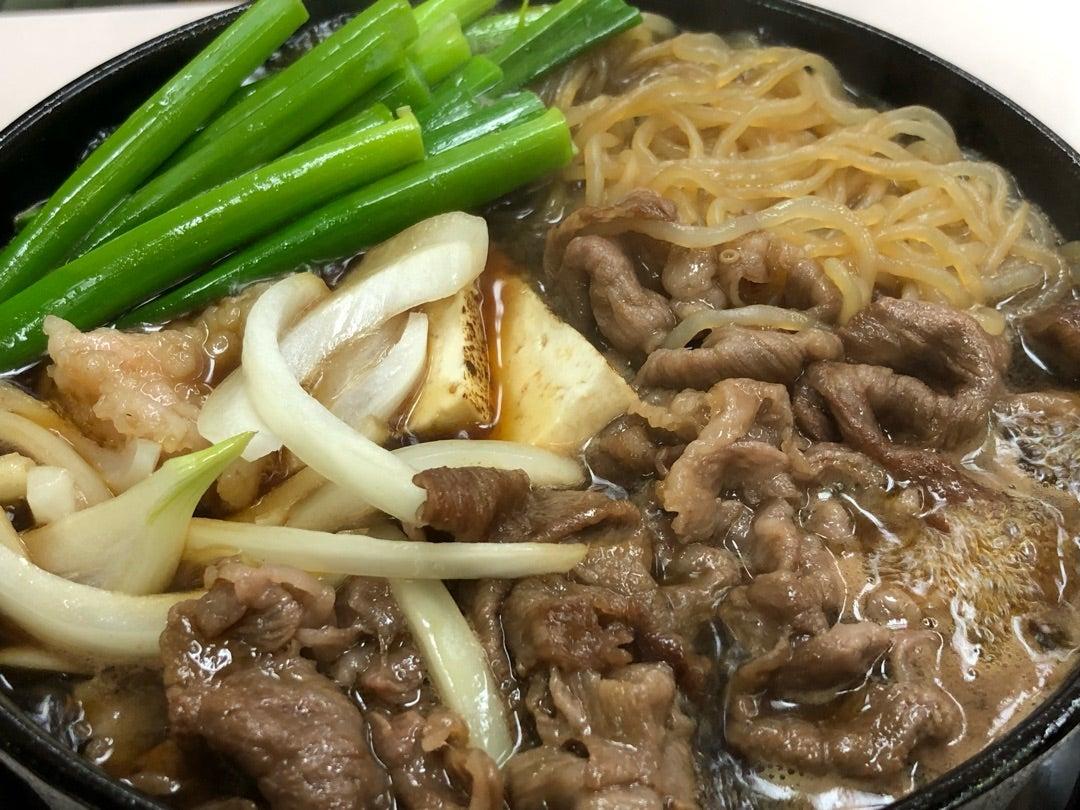
Traditional Beef Sukiyaki:
One of the defining features of authentic sukiyaki is its balance of sweetness and saltiness. The beef absorbs the flavorful sauce while the vegetables release their natural sweetness into the broth. Traditional preparation varies by region: Kansai-style sukiyaki often starts by searing the beef and seasoning it directly, while Kanto-style sukiyaki typically uses a prepared simmering sauce called warishita. Both approaches create a delicious hot pot with tender ingredients and a distinctive Japanese flavor.
This Traditional Beef Sukiyaki recipe brings the experience of Japanese home cooking into your kitchen with accessible ingredients and straightforward instructions. It is perfect for a cozy dinner, a special gathering, or anyone eager to explore traditional Japanese cuisine. Serve it hot with steamed rice, and enjoy the delicious combination of thinly sliced beef, soft tofu, mushrooms, and vegetables simmered in a beautifully seasoned sauce.
History of Traditional Beef Sukiyaki:
Sukiyaki became popular in Japan during the nineteenth century, when beef consumption grew following changes in food culture during the Meiji period. Before this time, meat consumption had been limited by various religious, cultural, and social traditions.As beef became more widely accepted, cooks developed dishes that combined it with familiar ingredients and Japanese seasonings. Sukiyaki evolved into a popular shared meal, with regional differences emerging between the Kansai region, including Osaka and Kyoto, and the Kanto region around Tokyo.Today, sukiyaki is enjoyed throughout Japan and internationally. Its combination of tender beef, seasonal vegetables, tofu, and a sweet-savory sauce makes it a celebrated example of Japanese comfort food and communal dining.
Subscribe to our youtube channel Kitchenpedia for more delicious recipes and hit the like button if you enjoyed this youtubevideo. Share it with your friends and Family.
Traditional Beef Sukiyaki

Ingredients
For the hot pot
- 500 g thinly sliced beef, preferably ribeye or sirloin
- 200 g firm tofu, cut into cubes
- 2 cups napa cabbage, chopped
- 1 bunch green onions, cut into short pieces
- 1 cup shiitake mushrooms, sliced
- 100–150 g shirataki noodles, drained and rinsed
- 1 cup enoki mushrooms, optional
- 1 tablespoon neutral cooking oil or beef fat
For the traditional sukiyaki sauce
- ½ cup Japanese soy sauce
- ½ cup mirin
- ¼ cup sake
- 2 tablespoons sugar
- ½ cup dashi stock or water
For serving
- 4 servings steamed Japanese rice
- Thinly sliced green onions, optional
- Toasted sesame seeds, optional
Instructions
- Cut the napa cabbage into manageable pieces and slice the green onions. Clean the mushrooms, cube the tofu, and drain and rinse the shirataki noodles. Separate the beef slices so they can be added easily to the hot pot.
- Combine the soy sauce, mirin, sake, sugar, and dashi stock in a bowl. Stir until the sugar dissolves. This sauce, known as warishita in the Kanto-style method, provides the characteristic sweet and savory flavor.
- Heat a wide, shallow pot or deep skillet over medium heat. Add the cooking oil or beef fat. Place a few slices of beef in the pan and sear briefly until the meat begins to brown. Avoid cooking all the beef for too long at this stage.
- Pour some of the prepared sauce over the beef and allow it to bubble gently. Turn the slices to coat them with the sauce. This creates a rich, flavorful base for the remaining ingredients.
- Add the napa cabbage, green onions, shiitake mushrooms, tofu, and shirataki noodles to the pot. Arrange the ingredients in separate sections if possible, giving each ingredient room to cook evenly.
- Pour in enough of the remaining sauce to partially cover the ingredients. Bring the mixture to a gentle simmer and cook for approximately 8–12 minutes, until the vegetables soften and the tofu and noodles absorb the flavors.
- Add the remaining beef slices in batches, allowing each batch to cook through in the simmering sauce. Thin slices cook quickly, so watch them carefully to prevent overcooking. Add extra dashi or water if the sauce becomes too concentrated.
- Bring the pot to the table using a suitable heatproof trivet, or transfer the ingredients to warm serving bowls. Serve immediately with steamed rice and, if desired, a pasteurized raw-egg dipping sauce. Enjoy the beef and vegetables while they are hot.
Notes
-
Choose well-marbled beef: Ribeye offers tenderness and flavor, while sirloin is another good option.
-
Slice the beef thinly: Thin slices cook quickly and absorb the sauce effectively.
-
Use authentic Japanese seasonings: Soy sauce, mirin, sake, and dashi help create traditional flavor.
-
Avoid overcooking the beef: Add it in batches so it remains tender.
-
Prepare the noodles properly: Drain and rinse shirataki noodles before adding them.
-
Keep the sauce balanced: Taste before adding more sugar or soy sauce.
-
Cut vegetables evenly: This helps them cook at a similar rate.
-
Serve immediately: Sukiyaki is best enjoyed hot, while the vegetables are tender and the broth is aromatic.
Tips for Traditional Beef Sukiyaki:
- Partially freeze the beef for 20–30 minutes if slicing it yourself.
- Use a wide, shallow pot so the ingredients cook evenly.
- Sear the first batch of beef to build flavor in the cooking liquid.
- Add delicate vegetables later if you prefer them slightly firm.
- Use dashi stock instead of plain water for a deeper umami flavor.
- Keep extra warm dashi nearby to dilute the sauce if it becomes too salty.
- Serve with Japanese short-grain rice to soak up the flavorful sauce.
- For a traditional shared dining experience, cook at the table using a stable, suitable tabletop hot pot appliance and follow its safety instructions.
FAQs for Traditional Beef Sukiyaki:
1. What is Traditional Beef Sukiyaki?
Traditional Beef Sukiyaki is a Japanese hot pot featuring thinly sliced beef, tofu, vegetables, and noodles cooked in a sweet and savory sauce made with soy sauce, mirin, sugar, and often sake and dashi.
2. What cut of beef is best for sukiyaki?
Ribeye is an excellent option because its marbling helps keep the beef tender. Sirloin and other tender cuts also work well when sliced thinly.
3. What is the difference between Kansai-style and Kanto-style sukiyaki?
Kansai-style sukiyaki often starts by searing beef and seasoning it directly with sugar and soy sauce. Kanto-style sukiyaki generally uses a prepared sauce called warishita. Both styles are traditional and delicious.
4. Is sukiyaki spicy?
No. Traditional sukiyaki is not usually spicy. Its main flavors are savory, sweet, and rich in umami.
5. Can I make sukiyaki without sake?
Yes. Replace the sake with water or additional dashi stock. The flavor will be slightly different, but the dish will still taste delicious.
6. Can I make sukiyaki without mirin?
Yes. Use a suitable nonalcoholic mirin substitute, or add a little water with a small amount of sugar. Adjust gradually to avoid making the sauce overly sweet.
7. What vegetables are traditionally used in sukiyaki?
Common ingredients include napa cabbage, green onions, shiitake mushrooms, tofu, and shirataki noodles. Other leafy vegetables and mushrooms can also be used.
8. Why are shirataki noodles used in sukiyaki?
Shirataki noodles add texture and help make the meal more substantial. They absorb some of the sauce while retaining their distinctive chewy texture.
9. Can I prepare sukiyaki ahead of time?
You can prepare the vegetables, mix the sauce, and portion the beef in advance. For the best texture, cook the beef shortly before serving.
10. How do I store leftover sukiyaki?
Refrigerate leftovers in a shallow, airtight container within two hours of cooking and consume within 3–4 days. Reheat thoroughly until steaming hot. Store cooked rice separately when possible.
Conclusion:
Traditional Beef Sukiyaki is a wonderful celebration of Japanese home cooking, combining tender beef, fresh vegetables, tofu, and noodles in a rich, sweet-savory broth. Its simple ingredients and flexible cooking method make it suitable for both everyday dinners and special meals shared with family and friends.With this easy recipe, you can recreate the comforting flavors of Japanese sukiyaki at home. Choose quality beef, prepare a balanced sauce, and let the ingredients gently simmer until tender. Serve the hot pot with steamed rice for a satisfying meal that brings warmth, flavor, and a taste of Japanese culinary tradition to your table.