

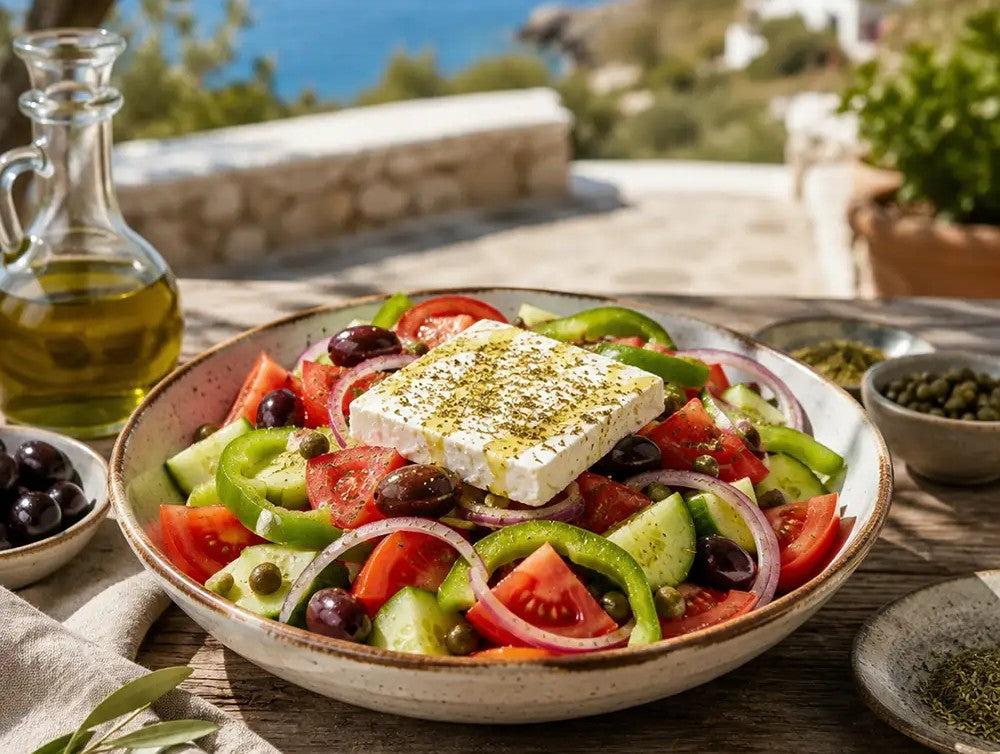
My Big Fat Greek Salad is a delicious Mediterranean-inspired dish packed with fresh vegetables, tangy feta cheese, briny olives, and a simple olive oil dressing. Every bite offers a refreshing combination of juicy tomatoes, crisp cucumbers, sharp red onions, and savory Greek flavors. It is colorful, satisfying, and easy to prepare, making it an excellent choice for everyday meals, family gatherings, summer picnics, and festive dinners.
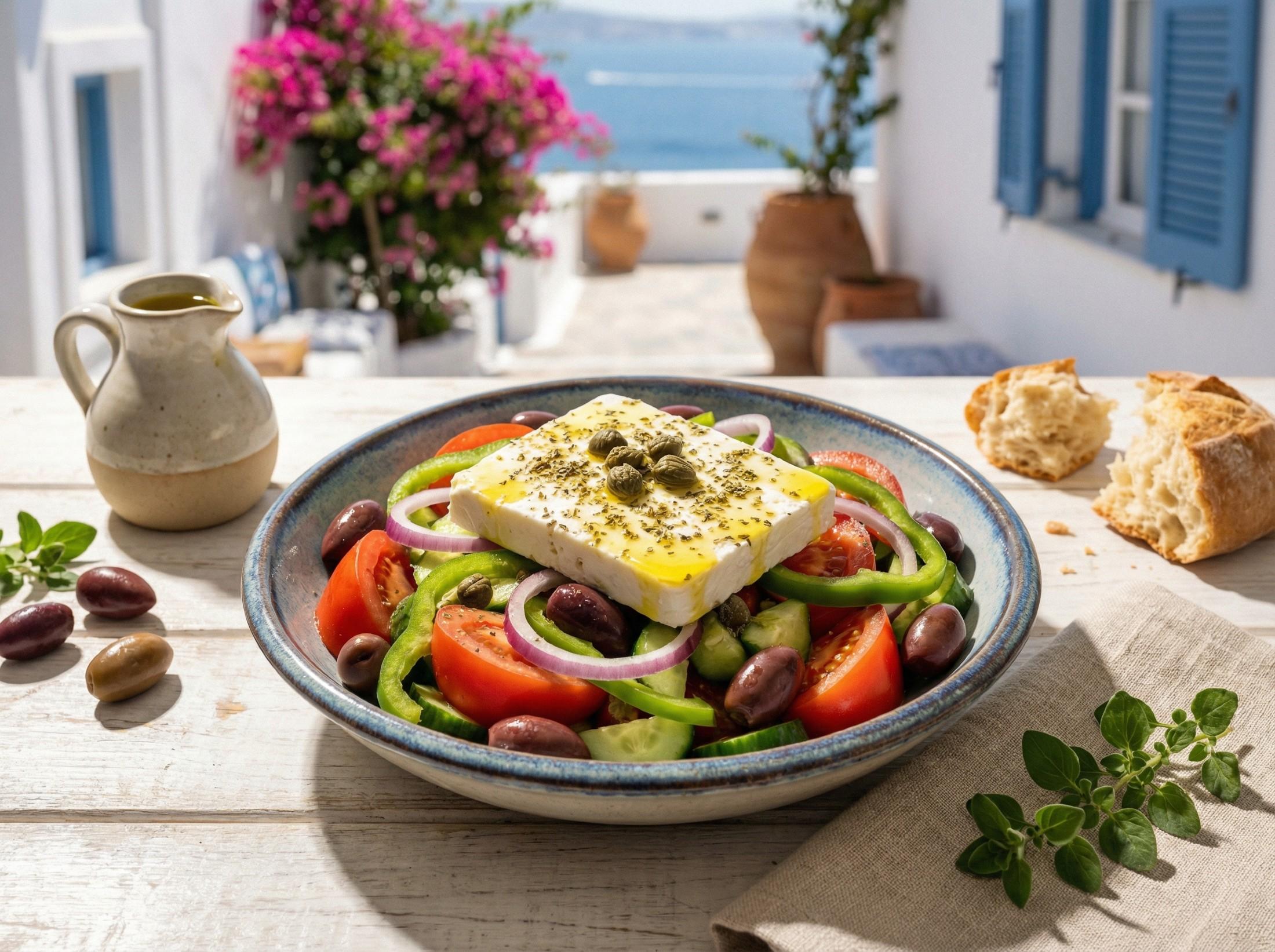
My Big Fat Greek Salad:
What makes this salad special is its simplicity. Instead of relying on complicated ingredients or heavy sauces, it celebrates the natural taste of fresh produce. Extra-virgin olive oil, red wine vinegar, dried oregano, and a pinch of salt and pepper create a light dressing that brings everything together. Crumbled or thickly sliced feta cheese adds a creamy, salty contrast to the crisp vegetables, while Kalamata olives provide a distinctive Mediterranean flavor.
Whether you serve it as a refreshing side dish or enjoy it as a light lunch, My Big Fat Greek Salad is a versatile recipe worth keeping in your collection. It pairs beautifully with grilled chicken, fish, roasted vegetables, pita bread, or other Mediterranean favorites. Best of all, it requires minimal cooking and can be prepared in approximately 15–20 minutes.
History:
Traditional Greek salad, commonly known as horiatiki, meaning “village salad,” originated in Greece and reflects the country’s simple, seasonal approach to cooking. Classic versions typically feature tomatoes, cucumbers, red onions, green peppers, olives, feta cheese, olive oil, and dried oregano. The ingredients vary slightly depending on the region, season, and household traditions.The traditional salad became popular because it used readily available local produce and pantry staples. Greek olive oil, olives, and feta cheese are central to its distinctive flavor. Authentic preparations often feature a large piece of feta placed on top rather than finely crumbled throughout the salad, allowing its creamy texture and salty taste to stand out.The name “My Big Fat Greek Salad” gives this familiar Mediterranean dish a fun, generous personality. While individual versions may add ingredients such as lettuce, herbs, or a special dressing, this recipe keeps the focus on fresh vegetables, flavorful olives, feta cheese, and a bright homemade vinaigrette.
Subscribe to our youtube channel Kitchenpedia for more delicious recipes and hit the like button if you enjoyed this youtubevideo. Share it with your friends and Family.
My Big Fat Greek Salad

Ingredients
For the Salad
- 4 medium ripe tomatoes, cut into wedges
- 1 large cucumber, sliced into thick half-moons
- 1 small red onion, thinly sliced
- 1 green bell pepper, sliced (optional)
- ¾ cup Kalamata olives, pitted
- 200 g feta cheese, cut into a thick slab or large cubes
- 1 teaspoon dried oregano
For the Homemade Greek Dressing
- ¼ cup extra-virgin olive oil
- 2 tablespoons red wine vinegar
- 1 teaspoon fresh lemon juice (optional)
- 1 small garlic clove, finely minced (optional)
- ½ teaspoon dried oregano
- ¼ teaspoon salt, or to taste
- ¼ teaspoon freshly ground black pepper
Instructions
- Wash the tomatoes, cucumber, and green bell pepper thoroughly under running water. Pat them dry with a clean kitchen towel. Cut the tomatoes into wedges, slice the cucumber into thick half-moons, and thinly slice the red onion. If using green bell pepper, remove the seeds and slice it into strips.
- In a small bowl, combine the extra-virgin olive oil, red wine vinegar, lemon juice, minced garlic, dried oregano, salt, and black pepper. Whisk until the ingredients are well combined. Taste and adjust the vinegar, seasoning, or lemon juice to suit your preference.
- Place the tomatoes, cucumber, red onion, green bell pepper, and Kalamata olives in a large salad bowl. Toss gently so the vegetables are evenly distributed without crushing the tomatoes.
- Place the feta cheese on top of the vegetables. You can use one large slab for a traditional Greek-inspired presentation or cut it into generous cubes. Sprinkle dried oregano and freshly ground black pepper over the feta.
- Drizzle the homemade Greek dressing over the vegetables and feta. Toss lightly just before serving, or leave the feta on top and spoon the dressing over the entire salad. Avoid overmixing, as the feta can break apart and the tomatoes may release too much juice.
- Serve immediately while the vegetables are crisp and refreshing. Pair the salad with grilled chicken, baked fish, warm pita bread, or a Mediterranean rice dish. For an extra finishing touch, add a small drizzle of olive oil and a pinch of oregano just before bringing it to the table.
Notes
- Choose ripe tomatoes: Firm, flavorful tomatoes provide the best balance of sweetness and acidity.
- Use good-quality olive oil: Extra-virgin olive oil gives the dressing its characteristic Mediterranean flavor.
- Keep the vegetables chunky: Thick slices create a satisfying texture and help the salad retain its fresh appearance.
- Try Kalamata olives: Their rich, slightly fruity taste complements the salty feta beautifully.
- Adjust the onion: If raw onion tastes too strong, soak the slices in cold water for 5–10 minutes, then drain.
- Be careful with salt: Feta and olives contribute plenty of salt, so season gradually.
- Serve at the right temperature: Slightly cool or room-temperature vegetables often have more flavor than very cold produce.
- Dress just before serving: Adding the dressing at the last moment helps prevent the vegetables from becoming watery.
Tips for Greek Salad:
- Buy seasonal produce: Fresh, in-season tomatoes and cucumbers make a noticeable difference.
- Dry the vegetables thoroughly: Excess water can dilute the dressing.
- Use fresh feta: A good-quality block of feta often has a creamier texture than pre-crumbled cheese.
- Whisk the dressing well: This helps distribute the vinegar, oil, and seasonings more evenly.
- Balance the acidity: Add a little more olive oil if the dressing tastes too sharp.
- Add fresh herbs if desired: Chopped parsley or mint can offer a refreshing variation, although dried oregano keeps the classic Greek flavor.
- Make it a complete meal: Add chickpeas or grilled chicken for more protein, keeping in mind that these additions change the traditional style.\
- Prepare ahead strategically: Chop the vegetables and mix the dressing separately, then combine everything shortly before serving.
FAQs for My Big Fat Greek Salad:
1. Can I make My Big Fat Greek Salad ahead of time?
Yes. You can wash and cut the vegetables a few hours ahead and store them in an airtight container in the refrigerator. Keep the dressing and feta separate, then assemble the salad shortly before serving for the freshest texture.
2. Is Greek salad healthy?
Greek salad can be part of a balanced diet because it contains vegetables, healthy fats from olive oil, and some protein and calcium from feta cheese. However, the calories and sodium can increase depending on the portions of oil, cheese, and olives.
3. Can I make this Greek salad without feta cheese?
Absolutely. You can omit the feta for a dairy-free version or use a suitable plant-based feta alternative. The salad will still be flavorful thanks to the tomatoes, olives, cucumber, and dressing.
4. What can I use instead of Kalamata olives?
Black olives or green olives can work as substitutes. Kalamata olives have a distinctive rich flavor, but other varieties will still provide the salty taste that makes Greek salad delicious.
5. Can I use lemon juice instead of red wine vinegar?
Yes. Fresh lemon juice adds a bright, citrusy flavor. You can replace the vinegar with lemon juice or use a combination of both to create your preferred balance of acidity.
6. Should traditional Greek salad contain lettuce?
Traditional Greek village salad usually does not contain lettuce. However, you can add romaine or another crisp lettuce if you prefer a larger, leafy salad. This is a variation rather than the classic preparation.
7. How long does Greek salad last in the refrigerator?
For the best quality, enjoy the assembled salad on the day it is prepared. If refrigerated promptly in an airtight container, leftovers are generally best within 1–2 days, although the vegetables may soften and release liquid. Discard it if it has been left at room temperature for more than two hours.
8. What dishes pair well with Greek salad?
Greek salad pairs wonderfully with grilled chicken, roasted fish, lamb kebabs, pita bread, hummus, roasted potatoes, and Mediterranean rice. It also makes a refreshing side for sandwiches and wraps.
9. Can I make the dressing without garlic?
Yes. Garlic is optional in this recipe. Simply combine olive oil, red wine vinegar, oregano, salt, and pepper for a lighter dressing that still complements the vegetables.
10. How can I make this salad more filling?
Add chickpeas, grilled chicken, cooked quinoa, or a side of warm pita bread. These additions make the salad more substantial while keeping its Mediterranean-inspired flavors.
Conclusion:
My Big Fat Greek Salad is a wonderful way to enjoy fresh vegetables, creamy feta cheese, flavorful olives, and a simple homemade dressing in one delicious dish. Its vibrant colors, crisp textures, and bright Mediterranean flavors make it suitable for weekday lunches, family dinners, summer gatherings, and special occasions.The best part is how easily you can customize it to your taste. Keep it traditional with tomatoes, cucumbers, onions, olives, and feta, or add your favorite ingredients to create a more substantial meal. With minimal preparation and no cooking required, this easy Greek salad is a reliable recipe whenever you want something fresh, flavorful, and satisfying.Prepare a bowl today, drizzle it with homemade oregano dressing, and enjoy a taste of Mediterranean-inspired cooking at home.