

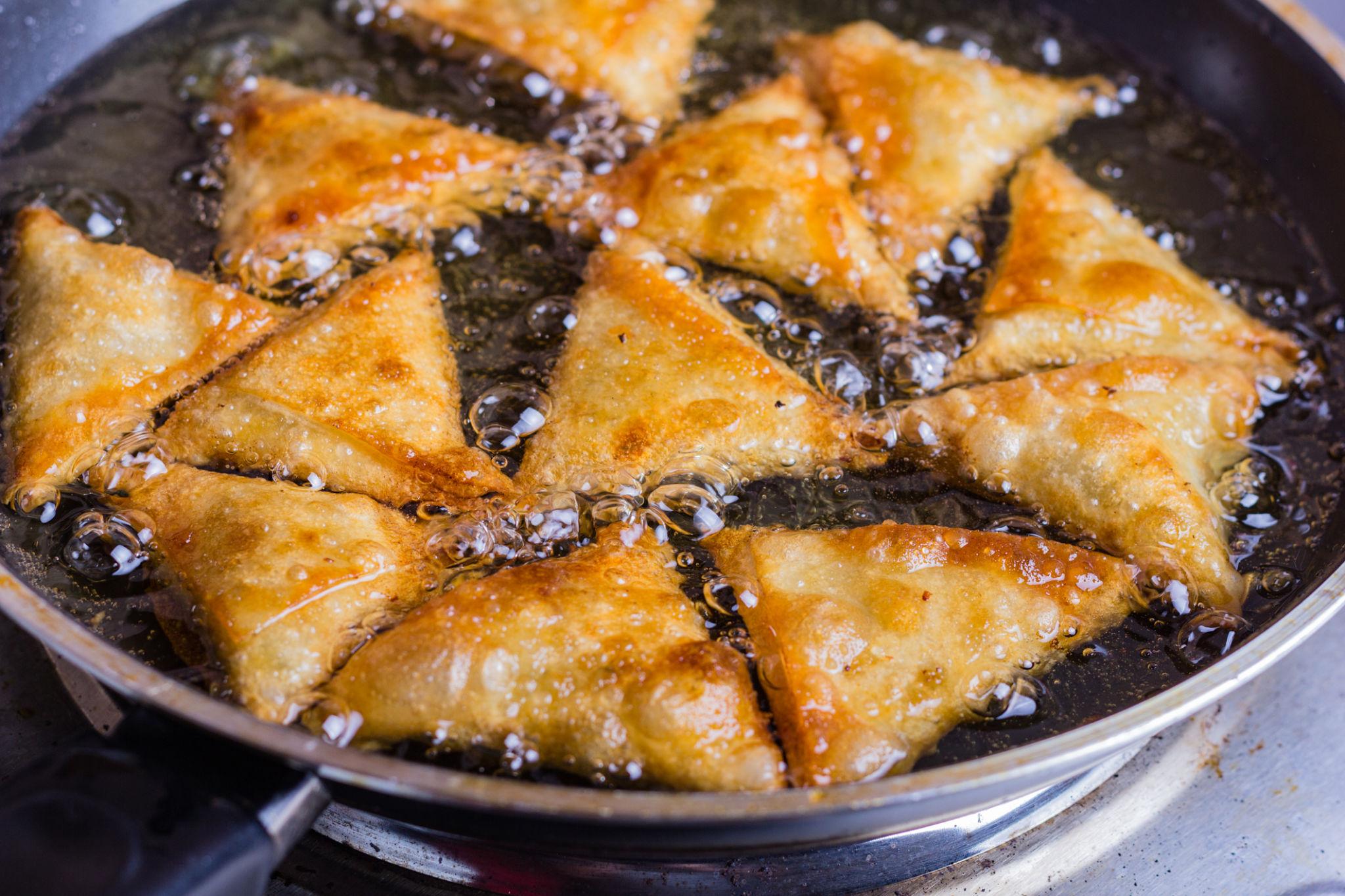
Sambusa is a delicious, crispy, triangular pastry enjoyed throughout East Africa and the Horn of Africa, particularly in Somalia, Ethiopia, and neighboring regions. Made with thin pastry wrappers and a flavorful filling, these golden snacks are loved for their crunchy exterior and savory interior. Traditional fillings often include spiced ground beef or lamb, onions, and fresh herbs, while vegetarian versions feature lentils, potatoes, or vegetables. Deep-fried until beautifully golden, sambusas are a popular appetizer, party snack, and festive treat.
One of the best things about homemade sambusa is its versatility. The filling can be customized with aromatic spices such as cumin, coriander, black pepper, turmeric, and green chilies to create a rich, savory flavor. Thin pastry sheets are folded into neat triangular pockets, filled with the prepared mixture, and sealed carefully before frying. Although folding takes a little practice, the process becomes easy once you understand the basic technique. The result is a satisfying snack with a crisp shell and a deliciously seasoned filling.
Sambusa is especially popular during Ramadan, when families prepare it to enjoy at iftar alongside dates, soup, and other dishes. It is also served during family gatherings, celebrations, and everyday tea-time snacks. Whether you prefer traditional meat-filled sambusa or a plant-based alternative, this easy homemade recipe helps you create crispy pastries that are flavorful, comforting, and perfect for sharing.
History of Sambusa
Sambusa belongs to a broad family of stuffed pastries found across Africa, the Middle East, and South Asia. Its name and shape are closely related to dishes such as samosa and sambousek, reflecting centuries of culinary exchange through trade, migration, and travel.
In the Horn of Africa, sambusa became an established part of Somali, Ethiopian, Eritrean, and other regional food traditions. Local cooks adapted the filling and seasoning to available ingredients, commonly using minced meat, onions, lentils, and aromatic spices. Although recipes differ between households and countries, the triangular shape and crisp fried pastry remain recognizable features.
Today, sambusa is enjoyed throughout East Africa and by communities around the world. It is particularly associated with Ramadan gatherings and celebrations, where freshly fried pastries are served as part of a larger meal. Its combination of convenient portions, crunchy pastry, and savory filling has made it a lasting favorite.
Subscribe to our youtube channel Kitchenpedia for more delicious recipes and hit the like button if you enjoyed this youtubevideo. Share it with your friends and Family.
Sambusa

Ingredients
For the Pastry
- 12 samosa or spring-roll pastry sheets, cut into suitable strips
- 2 tablespoons all-purpose flour
- 3 tablespoons water, for making the sealing paste
- Vegetable oil, for deep-frying
For the Meat Filling
- 400 g ground beef or lamb
- 1 medium onion, finely chopped
- 2 garlic cloves, minced
- 1 green chili, finely chopped, optional
- 1 tablespoon vegetable oil
- 1 teaspoon ground cumin
- 1 teaspoon ground coriander
- ½ teaspoon ground black pepper
- ½ teaspoon ground turmeric
- ½ teaspoon paprika
- ¾ teaspoon salt, or to taste
- 2 tablespoons water, if needed
For a vegetarian variation, replace the meat filling with:
- 1 cup cooked brown or green lentils, drained
- 1 medium potato, boiled and diced
- ½ cup green peas
- 1 small onion, finely chopped
- 1 teaspoon ground cumin
- ½ teaspoon ground coriander
- 2 tablespoons fresh cilantro, chopped
- Salt and black pepper to taste
Instructions
- Heat one tablespoon of vegetable oil in a skillet over medium heat. Add the chopped onion and cook for 3–4 minutes until softened.Stir in the garlic and green chili, if using. Add the ground beef or lamb and cook, breaking it into small pieces with a spoon.Continue cooking until the meat is browned and thoroughly cooked. Add the cumin, coriander, black pepper, turmeric, paprika, and salt. Mix well so the spices coat the filling evenly.
- Stir in the chopped cilantro and cook for another minute. If the mixture seems dry, add a small amount of water and cook until the liquid evaporates.Remove the skillet from the heat and let the filling cool completely before assembling the pastries. A cool, relatively dry filling is important because excess moisture can soften the wrappers or cause them to split during frying.For the vegetarian version, sauté the onion and spices, then stir in the cooked lentils, diced potato, peas, and cilantro. Cook until the mixture is well combined and not watery.
- In a small bowl, combine the all-purpose flour and water. Stir until you have a smooth, thick paste.This paste will help the pastry edges stick together and prevent the sambusas from opening in the hot oil.Keep the pastry sheets covered with a clean, slightly damp towel while working to prevent them from drying out.
- Lay one strip of pastry flat on a clean work surface. Fold one bottom corner diagonally across the strip to form a triangle.Continue folding the triangle over itself, maintaining the triangular shape and creating a small pocket for the filling. Follow the instructions for your particular pastry wrapper, as widths and folding methods may vary.
- Open the triangular pocket carefully and spoon in approximately 1–2 tablespoons of the cooled filling, depending on the size of the wrapper.Do not overfill the pastry. Leave enough room at the edges to fold and seal it securely.Press the filling gently into the pocket so it sits evenly without stretching or tearing the pastry.
- Continue folding the pastry strip over the filling until you reach the end. Brush the final edge with the flour paste and press firmly to seal.Check that all edges are closed and there are no gaps. Place each completed sambusa on a tray and cover loosely while you assemble the remaining pastries.
- Pour vegetable oil into a deep, heavy-bottomed pot to a depth of approximately 5–7 cm. Avoid filling the pot more than halfway.Heat the oil to approximately 170–180°C (340–355°F). Use a cooking thermometer if possible to maintain a steady temperature.If the oil is too cool, the pastries can become greasy. If it is too hot, the outside may brown before the pastry becomes crisp and the filling is thoroughly heated.
- Carefully lower a few sambusas into the hot oil, making sure not to overcrowd the pot. Fry for approximately 3–5 minutes, turning as needed, until the pastry is crisp and evenly golden brown.Because the meat filling has already been cooked, the main goal is to crisp the wrapper and heat the filling thoroughly. Check that the centers are piping hot before serving.Transfer the cooked sambusas to a wire rack or a paper towel-lined plate to drain excess oil.
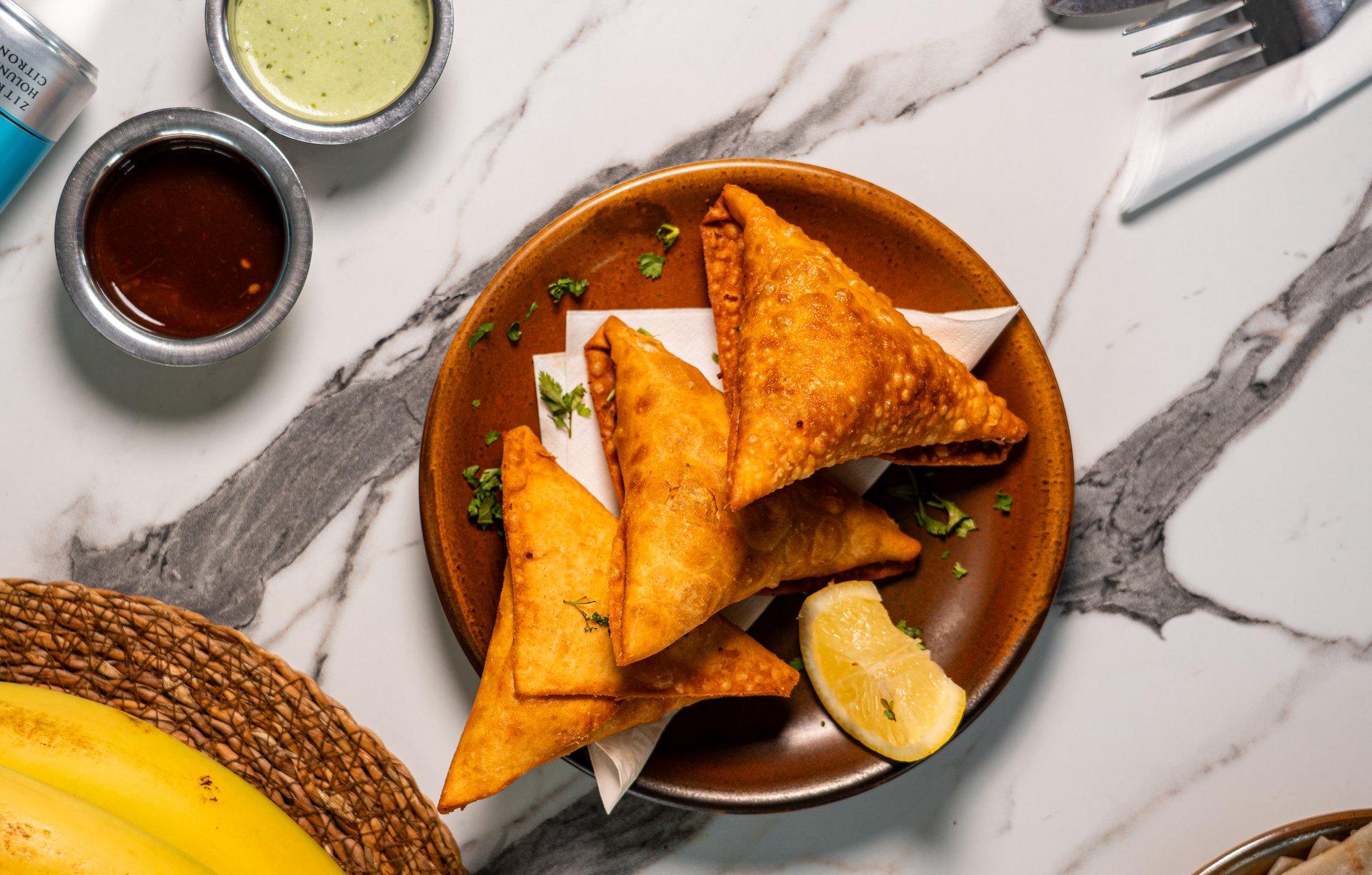
- Arrange the sambusas on a serving plate and garnish with fresh cilantro if desired. Serve immediately with lemon wedges, green chutney, tamarind sauce, or a spicy dipping sauce.For a traditional East African-inspired snack platter, pair them with dates, soup, or a fresh vegetable salad.
Notes
Tips for Perfect Sambusa:
- Season generously but carefully: Balance cumin, coriander, pepper, and chili to create a flavorful filling without overpowering the meat.
- Chop ingredients finely: Smaller pieces fit neatly inside the pastry and make folding easier.
- Use ready-made pastry for convenience: Spring-roll or samosa sheets can save preparation time when suitable traditional wrappers are unavailable.
- Practice the triangular fold: Fold one corner diagonally and continue along the strip, keeping the edges aligned.
- Prepare the sealing paste in advance: Keep it nearby so you can seal each pastry quickly.
- Check oil temperature between batches: Allow the oil to return to the target temperature before adding more sambusas.
- Drain on a rack when possible: Air circulation helps preserve crispness better than stacking the pastries.
- Freeze extras before frying: Arrange assembled, uncooked sambusas in a single layer until firm, then transfer them to a freezer-safe container. Fry from frozen at a slightly controlled temperature, allowing extra cooking time and checking that the filling is piping hot.
FAQ’s for Sambusa:
1. What is sambusa?
Sambusa is a triangular stuffed pastry popular in Somalia, Ethiopia, and other parts of East Africa and the Horn of Africa. It typically contains seasoned meat, lentils, or vegetables wrapped in thin pastry and fried until crisp.
2. Is sambusa the same as samosa?
They are closely related pastries with similar triangular shapes and cooking methods. Sambusa is associated particularly with East African and Horn of Africa food traditions, while samosa is widely known in South Asia. Fillings, spices, pastry thickness, and folding styles can differ.
3. What meat is traditionally used in sambusa?
Ground beef and lamb are common choices. The meat is typically cooked with onions, garlic, and spices before being wrapped in pastry.
4. Can I make vegetarian sambusa?
Yes. Lentils, potatoes, peas, and vegetables make delicious alternatives to meat. Season the filling with cumin, coriander, black pepper, and fresh herbs.
5. Why do my sambusas open while frying?
They may be overfilled, inadequately sealed, or made with pastry that has dried out. Use a flour-and-water paste, press the edges firmly, and ensure the filling is cool and not too wet.
6. Can I bake sambusa instead of frying it?
Yes. Brush the assembled pastries lightly with oil and bake at approximately 200°C (400°F) until crisp and golden, usually 20–25 minutes depending on the pastry. The texture will be different from traditional deep-fried sambusa.
7. What sauces go well with sambusa?
Green chutney, tamarind sauce, lemon juice, chili sauce, and other tangy or spicy dips complement the savory filling.
8. Can I prepare sambusa ahead of time?
Yes. You can prepare the filling a day in advance and refrigerate it. You can also assemble the pastries ahead and refrigerate them briefly, covered, before frying. For longer storage, freezing uncooked sambusas is a practical option.
9. How should leftover sambusa be stored?
Refrigerate cooked sambusas in an airtight container within two hours of cooking and consume within three to four days. Reheat in an oven or air fryer to restore some crispness, ensuring the filling becomes thoroughly hot.
10. Is sambusa served during Ramadan?
Yes. Sambusa is a popular iftar snack in many Somali and other East African households during Ramadan. It is often served with dates, soup, and other dishes to break the daily fast.
11. Can I use spring-roll wrappers for sambusa?
Yes, spring-roll wrappers can work well if they are thin and flexible enough to fold into triangles. The finished pastry may have a slightly different texture from sambusa made with traditional dough.
12. How can I make sambusa less oily?
Maintain the correct frying temperature, avoid overcrowding the pot, and drain the pastries on a wire rack after frying. Baking is another option if you prefer to use less oil.
Conclusion:
Sambusa is a delicious example of the rich culinary traditions of East Africa and the Horn of Africa. Its crispy golden pastry, aromatic spices, and savory filling make it a wonderful appetizer for celebrations, family gatherings, Ramadan meals, or everyday snacking.
With a well-seasoned filling, careful folding, secure sealing, and properly heated oil, homemade sambusas can be just as satisfying as those from your favorite food stall. Whether you choose ground beef, lamb, lentils, or vegetables, this versatile recipe makes it easy to customize the flavors to your liking.
Serve your sambusas fresh and hot with a tangy dipping sauce, and enjoy a crunchy, flavorful snack that brings people together.