

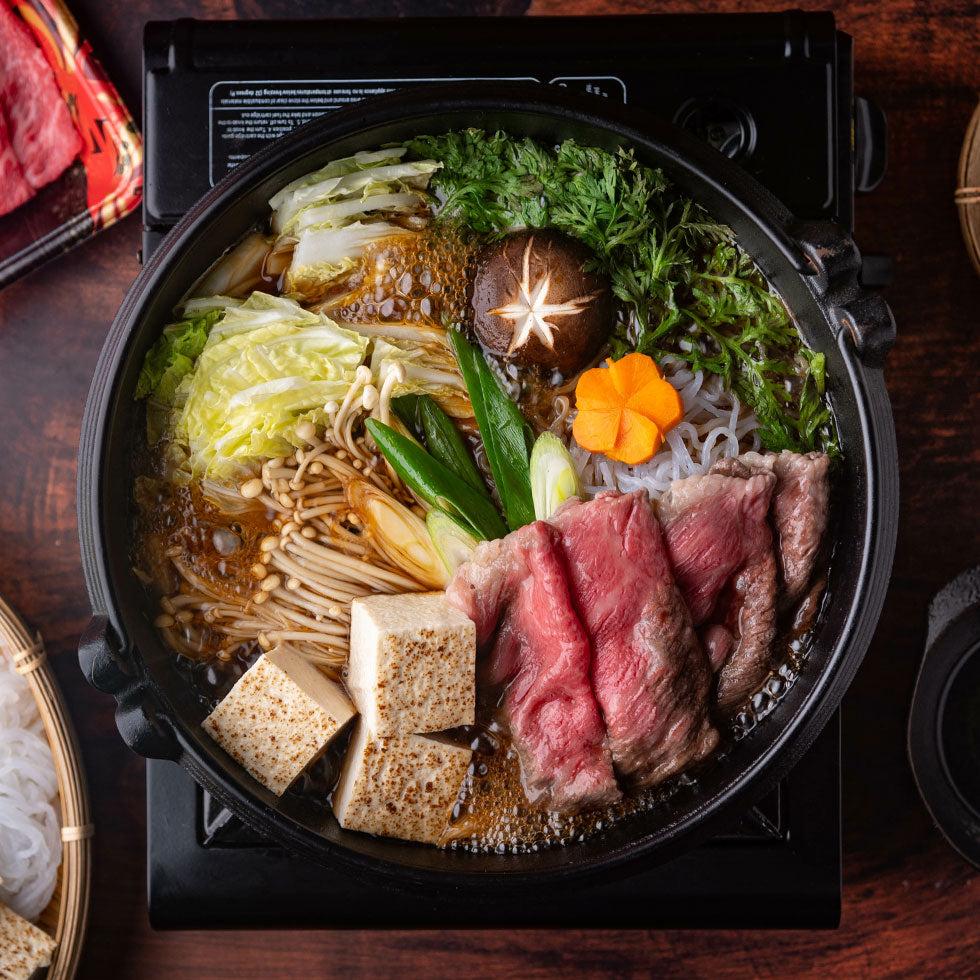
Beef Sukiyaki is a comforting Japanese hot pot featuring paper-thin slices of tender beef simmered with tofu, mushrooms, napa cabbage, green onions, and other vegetables in a rich sweet-savory soy-based broth. The combination of tender beef, delicate tofu, earthy mushrooms, and flavorful vegetables makes this dish hearty, warming, and incredibly satisfying.Unlike many soups and stews that rely on a long cooking time, sukiyaki comes together relatively quickly. Thinly sliced beef cooks in just minutes, while the vegetables gently absorb the flavorful broth.
Beef Sukiyaki:
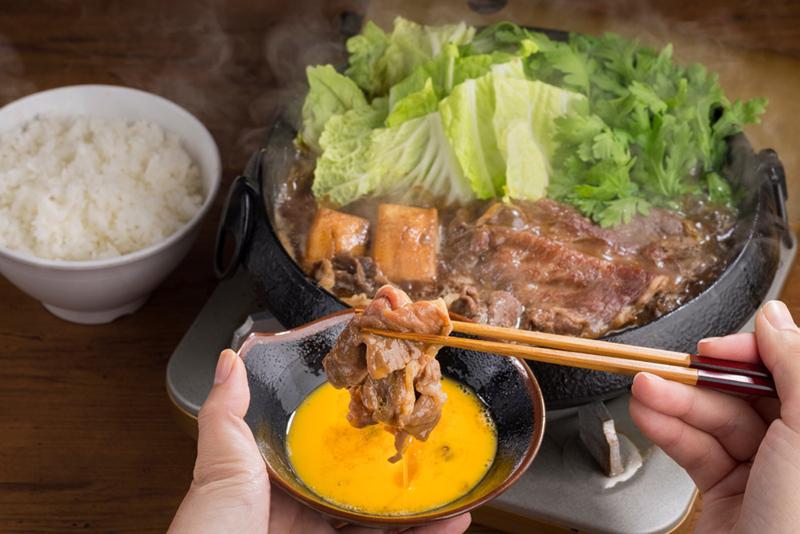
The result is a beautiful balance of savory soy sauce, sweet mirin, umami-rich dashi, and fresh vegetables.Sukiyaki is traditionally enjoyed communally, with the ingredients cooked in a shallow pot at the table. It is especially popular during colder months and festive family gatherings. Serve it with steamed Japanese rice, and if desired, dip the cooked beef and vegetables into beaten raw egg for a classic Japanese-style experience.
History of Beef Sukiyaki:
Sukiyaki became popular in Japan during the late 19th century, around the period when eating beef became more common following Japan’s modernization. The dish developed into a distinctive Japanese preparation rather than simply copying Western-style beef dishes.
The name sukiyaki is often associated with the Japanese word suki, meaning a plow or spade, and yaki, meaning grilled or cooked. Historical explanations for the name vary, but the dish eventually became established as a Japanese hot-pot meal.
There are two major regional styles of sukiyaki. Kanto-style sukiyaki uses a prepared broth called warishita, while Kansai-style preparation traditionally cooks the beef first and then adds sugar, soy sauce, and other ingredients directly to the pot. Both styles feature the characteristic combination of thinly sliced beef and flavorful Japanese ingredients.
Subscribe to our youtube channel Kitchenpedia for more delicious recipes and hit the like button if you enjoyed this youtubevideo. Share it with your friends and Family.
Beef Sukiyaki

Ingredients
For the Sukiyaki
- 500 g thinly sliced beef, preferably well-marbled
- 200 g firm tofu, cut into cubes
- 1 small napa cabbage, chopped
- 1 bunch enoki mushrooms
- 150 g shiitake mushrooms, sliced
- 2 green onions, cut into 2-inch pieces
- 1 small onion, thinly sliced
- 1 package shirataki noodles, rinsed and drained
- 1 cup chrysanthemum greens or spinach, optional
- 1 tablespoon neutral oil
For the Sukiyaki Sauce
- ½ cup soy sauce
- ½ cup dashi stock
- ½ cup mirin
- 3 tablespoons sake
- 2 tablespoons sugar
For Serving
- Steamed Japanese short-grain rice
- 4 fresh eggs, optional, for dipping
- Shichimi togarashi, optional
- Sliced green onions
Instructions
Prepare the Sukiyaki Sauce
- Bring the mixture to a gentle simmer over medium heat.Stir until the sugar dissolves completely.Remove from the heat and set aside.
Prepare the Ingredients
- Cut the napa cabbage into manageable pieces.Slice the onion and mushrooms.Cut the green onions into approximately 2-inch pieces.Drain and cut the tofu into bite-sized cubes.Rinse the shirataki noodles thoroughly and drain well.Arrange all the ingredients on a large plate or platter so they are ready to add to the hot pot.
Cook the Beef
- Heat a large shallow skillet, traditional sukiyaki pot, or heavy-bottomed pan over medium-high heat.Add the neutral oil.Place a portion of the thinly sliced beef into the pan.Sear briefly until the beef begins to brown.Avoid overcooking the beef at this stage because the slices are very thin.
Add the Sukiyaki Sauce
- Pour some of the prepared sauce into the pan.Allow the beef to simmer gently in the sauce for a minute or two.This creates the rich beefy foundation of the dish.
Add the Vegetables and Tofu
- Arrange the tofu, napa cabbage, mushrooms, onions, green onions, and shirataki noodles around the beef.Pour in enough additional sauce to partially cover the ingredients.Bring everything to a gentle simmer.
Simmer the Sukiyaki
- Cook for approximately 8–12 minutes.Allow the vegetables to become tender while the tofu and mushrooms absorb the sweet-savory broth.Add the chrysanthemum greens or spinach during the final few minutes of cooking.Taste the broth and adjust the sweetness or saltiness if needed.
Serve at the Table
- Keep the pot warm over low heat.Traditionally, sukiyaki is served directly from the cooking pot, allowing everyone to select pieces of beef, tofu, noodles, and vegetables.Serve with steamed Japanese rice.For the traditional dipping experience, beat one fresh egg per person in a small bowl and dip the hot cooked beef and vegetables into the egg before eating.
Notes
- Use thinly sliced beef: Sukiyaki beef should be sliced very thin so it cooks quickly and remains tender.
- Choose well-marbled beef: A little fat gives the dish excellent flavor and tenderness.
- Don't boil aggressively: Gentle simmering keeps the ingredients tender.
- Add ingredients gradually: Some vegetables cook faster than others.
- Keep the broth balanced: Soy sauce provides saltiness while sugar and mirin provide sweetness.
- Shirataki noodles need rinsing: Rinse them well before adding them to the pot.
- Separate strong flavors if desired: Keep shirataki away from tofu if you prefer distinct flavors and textures.
- Serve immediately: Sukiyaki is best enjoyed while everything is hot.
Tips for Beef Sukiyaki:
1. Freeze beef slightly before slicing
If slicing your own beef, place it in the freezer for about 30–45 minutes. Slightly firm meat is much easier to slice thinly.
2. Buy pre-sliced sukiyaki beef
Japanese or Asian grocery stores often sell beef specifically sliced for sukiyaki or shabu-shabu.
3. Don’t overcrowd the pan
Cook some of the beef in batches if necessary.
4. Start with the beef
Searing a small amount of beef first gives the sauce a deeper savory flavor.
5. Use a shallow pot
A wide, shallow pan makes it easier to arrange the ingredients and cook everything evenly.
6. Add leafy greens last
Napa cabbage leaves and chrysanthemum greens cook quickly, so they don’t need to be added at the beginning.
7. Adjust the sauce
If the broth tastes too salty, add a little dashi or water. If it needs more sweetness, add a small amount of sugar.
8. Keep adding ingredients
Sukiyaki is designed to be enjoyed gradually. Add more beef and vegetables to the pot as the first batch is eaten.
FAQs for Beef Sukiyaki:
Q: What is Beef Sukiyaki?
Beef Sukiyaki is a Japanese hot pot made with thinly sliced beef, tofu, vegetables, mushrooms, and noodles cooked in a sweet-savory soy-based broth.
Q: What cut of beef is best for sukiyaki?
Well-marbled cuts such as ribeye, sirloin, or chuck can work well when sliced extremely thin. Ribeye is particularly flavorful because of its marbling.
Q: Can I use regular beef slices?
Yes, provided the beef is sliced very thinly. Thick beef slices won’t have the same quick-cooking texture associated with sukiyaki.
Q: What is the difference between sukiyaki and shabu-shabu?
Both are Japanese hot pots, but their cooking styles differ. Sukiyaki uses a stronger sweet-savory broth, while shabu-shabu traditionally cooks thin meat and vegetables in a lighter broth and often uses dipping sauces.
Q: What is shirataki?
Shirataki are Japanese noodles made primarily from konjac. They have a chewy texture and are commonly used in sukiyaki and other Japanese dishes.
Q: Can I make sukiyaki without sake?
Yes. You can replace sake with additional dashi or water, although the flavor will be slightly different.
Q: Can I make vegetarian sukiyaki?
Yes. Replace the beef with additional tofu, mushrooms, napa cabbage, konjac noodles, and other vegetables. Use vegetarian dashi rather than fish-based dashi.
Q: Do I have to use raw egg?
No. Raw egg dipping is traditional in some preparations, but it is completely optional. If you choose to serve raw egg, use very fresh eggs from a reliable source and follow local food-safety guidance.
Q: Can I use chicken instead of beef?
Yes, although it will no longer be traditional beef sukiyaki. Thinly sliced chicken thighs can work well.
Q: What rice goes with sukiyaki?
Japanese short-grain white rice is ideal because its slightly sticky texture pairs beautifully with the flavorful broth.
Q: Can I make sukiyaki ahead of time?
You can prepare the ingredients and sauce ahead of time, but the best texture comes from cooking the beef and vegetables shortly before serving.
Conclusion:
Beef Sukiyaki is a wonderful Japanese comfort dish that combines thinly sliced, tender beef with tofu, mushrooms, napa cabbage, noodles, and green onions in a rich sweet-savory broth. Its communal cooking style makes it especially enjoyable for family dinners and gatherings.
The secret to delicious sukiyaki is using very thinly sliced, well-marbled beef and gently simmering the ingredients so they absorb the flavorful sauce without becoming overcooked. Serve it with warm Japanese rice and optional egg dipping sauce for a satisfying and memorable Japanese hot-pot meal.