

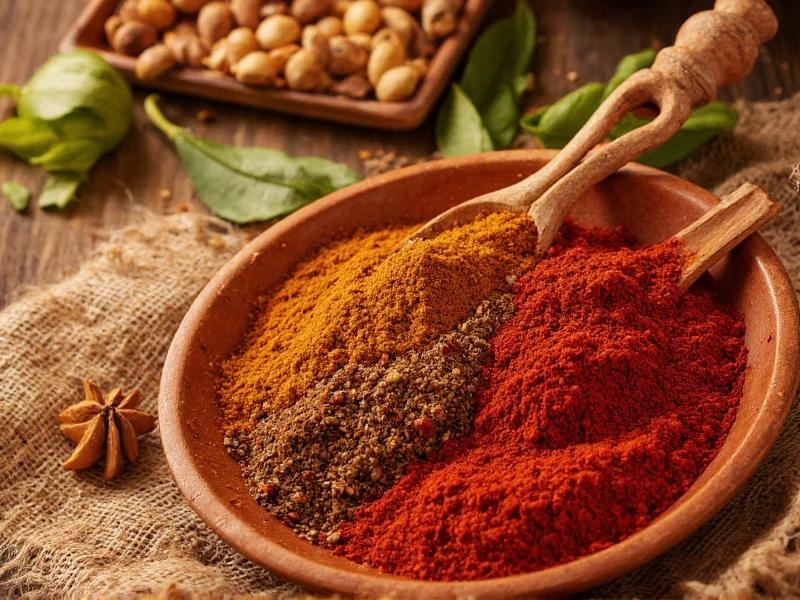
Berbere spice blend is one of the most distinctive seasonings in Ethiopian cuisine, celebrated for its deep red color, warm aroma, earthy flavors, and satisfying heat. Made with a combination of dried chilies, paprika, fenugreek, coriander, cumin, cardamom, and other fragrant spices, this traditional mixture transforms simple ingredients into rich, flavorful dishes.
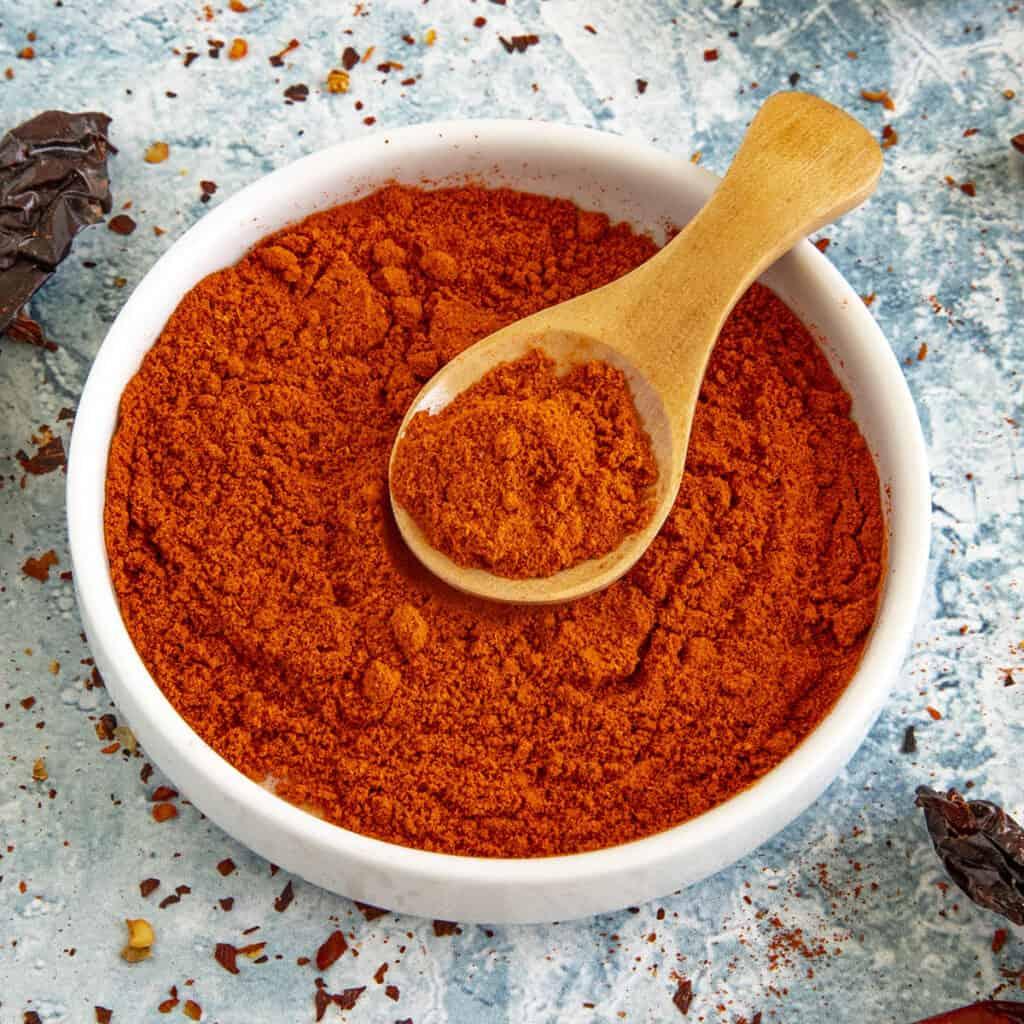
Berbere Spice Blend:
If you love bold seasonings that bring warmth, depth, and complexity to your cooking, homemade Berbere Spice Blend deserves a place in your kitchen. This traditional Ethiopian spice mixture combines the heat of chilies with the earthy fragrance of seeds, the sweetness of warming spices, and the subtle bitterness of fenugreek. Its flavor is layered rather than simply hot, making it an excellent seasoning for vegetables, lentils, meat, and stews.
One of the best things about preparing berbere at home is the ability to adjust the ingredients according to your taste. You can make it fiery by adding more cayenne pepper, keep it mild with sweet paprika, or emphasize its aromatic character with freshly ground coriander, cumin, and cardamom. Toasting whole spices before grinding them can also create a more fragrant blend that tastes fresher than many store-bought alternatives.
Whether you are preparing Ethiopian dishes such as doro wat and misir wat or experimenting with roasted vegetables, grilled chicken, soups, and marinades, berbere offers a convenient way to introduce bold African-inspired flavors to everyday meals. This recipe uses accessible pantry spices and straightforward preparation steps, allowing you to make a versatile seasoning at home and store it for future cooking.
History of Berbere Spice Blend:
Berbere has deep roots in Ethiopian and Eritrean food traditions. The word refers to a characteristic spice mixture used to build the flavor of many regional dishes. Although recipes differ between households and regions, red chilies and aromatic spices are central to many versions.
Ethiopia has a long culinary history shaped by local agriculture, trade, and the movement of spices across the Red Sea and Indian Ocean trading networks. Chilies, originally native to the Americas, spread to Africa through global trade after the Columbian exchange and eventually became important ingredients in many Ethiopian dishes.
Berbere developed as a flexible household seasoning rather than one universally standardized recipe. Families may combine different proportions of chili, fenugreek, coriander, cumin, ginger, garlic, cinnamon, cloves, and other spices according to local traditions and personal preferences. Some versions contain numerous ingredients and require careful roasting and grinding, while simpler homemade versions rely on a smaller collection of common spices.
Today, berbere remains especially important in Ethiopian dishes such as doro wat, a richly seasoned chicken stew, and misir wat, a spicy red lentil stew. Its popularity has also spread internationally as home cooks discover how this distinctive blend can add warmth, color, and complexity to a wide range of recipes.
Subscribe to our youtube channel Kitchenpedia for more delicious recipes and hit the like button if you enjoyed this youtubevideo. Share it with your friends and Family.
Berbere Spice Blend

Ingredients
- ¼ cup sweet paprika
- 2 tablespoons cayenne pepper or ground red chili, adjusted to taste
- 2 tablespoons ground coriander
- 1 tablespoon ground cumin
- 1 tablespoon ground fenugreek
- 1 tablespoon ground ginger
- 2 teaspoons garlic powder
- 1 teaspoon ground cardamom
- 1 teaspoon ground cinnamon
- 1 teaspoon ground black pepper
- ½ teaspoon ground cloves
- ½ teaspoon ground allspice
- ½ teaspoon ground turmeric, optional
- ½ teaspoon salt, optional
Instructions
- Measure all the spices before beginning. Check that the powders are fresh, dry, and free from lumps. Fresh spices generally provide a stronger aroma and more complex flavor than old, faded powders.If you are using whole coriander, cumin, fenugreek, or cardamom seeds, measure them separately so they can be toasted and ground before mixing.
- Place whole spices in a dry skillet over low to medium-low heat. Stir continuously for approximately 1–3 minutes, until they become fragrant. Do not let them smoke or turn dark, as burnt spices can make the blend bitter.Allow the spices to cool completely before grinding. Skip this step if you are using only ready-ground spices.
- Use a spice grinder, mortar and pestle, or clean coffee grinder reserved for spices. Grind the cooled spices into a fine powder.For a smooth texture, sift the powder through a fine-mesh sieve and grind any larger pieces again.
- Add the paprika, cayenne, coriander, cumin, fenugreek, ginger, garlic powder, cardamom, cinnamon, black pepper, cloves, allspice, and optional turmeric and salt to a dry bowl.Stir thoroughly with a spoon or whisk until the color and texture are uniform. Break up any clumps to ensure every spoonful has a balanced mixture of spices.
- Taste the aroma rather than eating the raw mixture by the spoonful. Add extra paprika if you prefer a milder blend, or a little more cayenne if you want additional heat.If the mixture tastes too sharp, a small increase in coriander can add a softer, citrusy character. Add strong spices such as cloves and cinnamon sparingly because they can easily overpower the other ingredients.
- Spoon the finished blend into a clean, completely dry airtight glass jar. Label it with the name and preparation date.Store it in a cool, dark cupboard away from sunlight, steam, and the stove. For the best flavor, use the blend within approximately 3–6 months; it may remain usable longer if kept dry, but its aroma will gradually fade.
- Start with ½–1 teaspoon of berbere for a serving of vegetables, lentils, or meat, then adjust to taste. For stews, add it to sautéed onions and oil early in cooking so the spices can release their aroma.Avoid burning the spice mixture over high heat. Gentle cooking helps preserve its fragrance and prevents the chili and ground spices from becoming bitter.
Notes
-
Heat levels vary: Different chili powders have different strengths, so begin with less cayenne if you are unsure.
-
Fresh spices matter: Freshly purchased spices usually provide a brighter aroma and better flavor.
-
Traditional recipes differ: Ethiopian and Eritrean households use different proportions and combinations of spices.
-
Fenugreek is distinctive: Its slightly bitter, maple-like aroma contributes characteristic depth, but too much can dominate.
-
Toast carefully: Gentle toasting can improve aroma, while burnt spices can make the blend bitter.
-
Keep everything dry: Moisture can cause clumping and shorten the spice blend's shelf life.
-
Check spice purity: If you need a gluten-free blend, check packaging and cross-contamination information for every ingredient.
-
Protect your hands and eyes: Chili powder can irritate skin and eyes; wash your hands after handling it and avoid inhaling the powder.
Tips for the Best Berbere Spice Blend:
-
Balance heat with paprika: Paprika provides color and a mild pepper flavor without relying entirely on hot chili.
-
Grind whole spices freshly: Freshly ground coriander and cumin can make the mixture more fragrant.
-
Use a clean grinder: Residual coffee or other spice aromas can alter the flavor.
-
Mix in small batches: Making an amount you can use within a few months helps preserve freshness.
-
Add it at the right time: Bloom the blend briefly in oil with onions or other aromatics, using moderate heat.
-
Customize gradually: Adjust chili, fenugreek, or warming spices in small increments rather than changing everything at once.
-
Use an airtight jar: Keep air, light, heat, and moisture away from the finished blend.
-
Record your favorite proportions: Write down any changes you make so you can recreate your preferred version.
FAQ’s for Berbere Spice Blend:
1. What is Berbere Spice Blend made of?
Berbere typically contains dried red chilies and a combination of aromatic spices such as paprika, fenugreek, coriander, cumin, cardamom, ginger, black pepper, cinnamon, and cloves. The exact ingredients and proportions vary by household and region.
2. Is berbere spice very spicy?
It can be quite spicy because chili is a key ingredient, but the heat depends on the type and amount of chili used. Reduce the cayenne and increase the paprika for a milder homemade version.
3. What can I use instead of berbere?
There is no exact substitute for its distinctive flavor. In a pinch, combine paprika, cayenne, coriander, cumin, ginger, and a small amount of cardamom or cinnamon. This creates a similar warm, spicy profile, although it will not taste identical to traditional berbere.
4. How long does homemade berbere last?
For the best flavor, use homemade berbere within approximately 3–6 months when stored in a clean, dry, airtight container away from heat and light. It may last longer, but its aroma and potency will gradually decline.
5. Can I make berbere without cayenne pepper?
Yes. Replace some or all of the cayenne with a milder ground red pepper or additional sweet paprika. The color and aromatic qualities will remain, although the blend will have less heat.
6. Is berbere spice vegan and vegetarian?
Yes. A blend made entirely from plant-derived spices is naturally vegan and vegetarian. Check packaged ingredients if you are using a commercial blend that may contain additives.
7. Can I use berbere on vegetables?
Absolutely. Mix it with olive oil and toss it with cauliflower, carrots, potatoes, pumpkin, or chickpeas before roasting. Start with a small amount and adjust to taste.
8. Does berbere contain salt?
Not necessarily. Some commercial blends contain salt, but many homemade recipes do not require it. This recipe makes salt optional, allowing you to control the seasoning in your finished dishes.
Conclusion:
Homemade Berbere Spice Blend is an easy way to bring the bold, aromatic flavors of Ethiopian cuisine into your kitchen. Its combination of chili, paprika, fenugreek, coriander, cumin, and warming spices creates a seasoning that is spicy, earthy, fragrant, and wonderfully versatile.
With just a few pantry ingredients and approximately 10–15 minutes of preparation, you can make a custom blend for lentil stews, chicken dishes, roasted vegetables, soups, and marinades. Adjust the heat to suit your preferences, store the mixture in an airtight jar, and enjoy the convenience of having this distinctive seasoning ready whenever you cook.
Whether you are exploring Ethiopian recipes for the first time or looking to add more depth to everyday meals, berbere is a flavorful addition to your spice collection.