

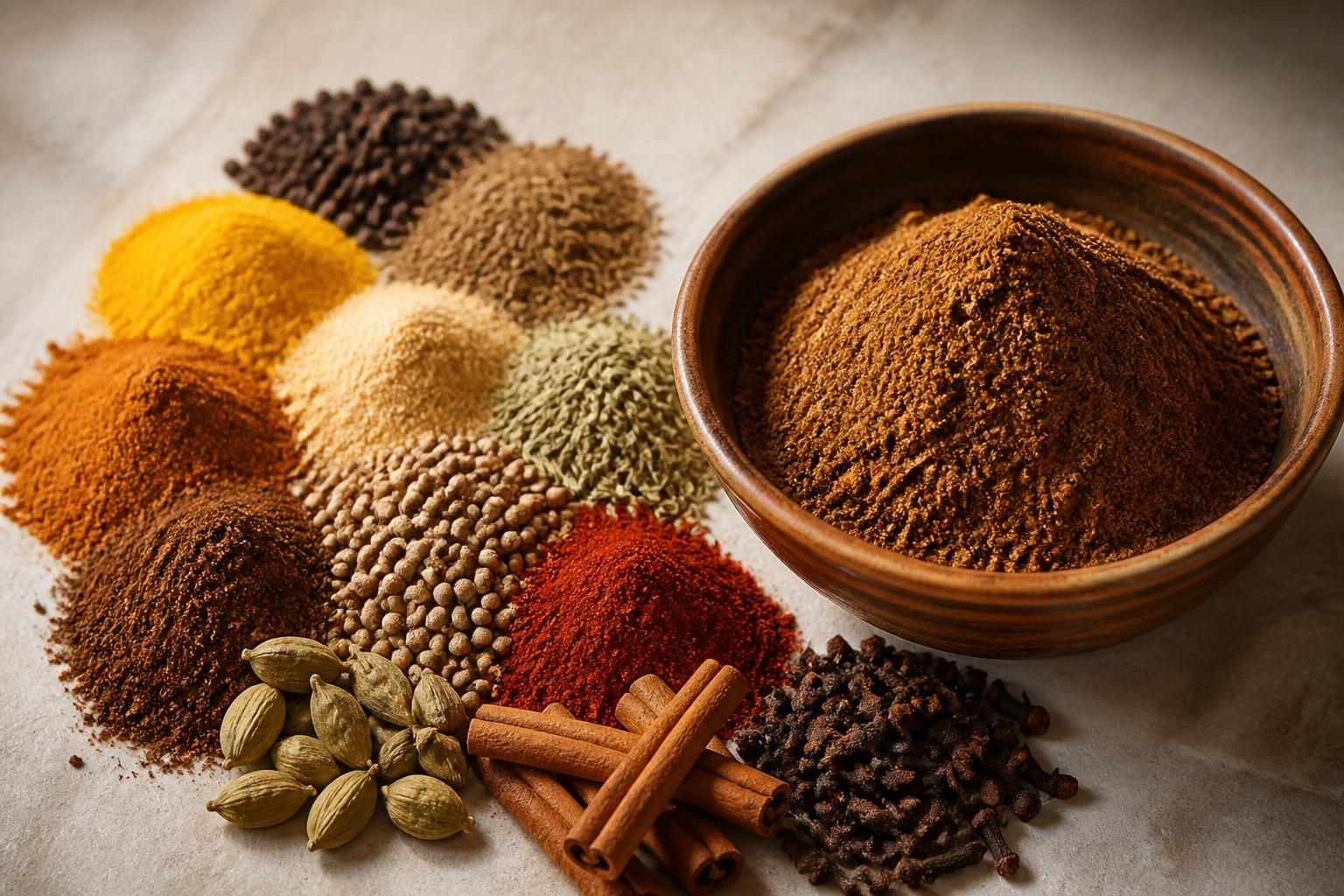
Ras el Hanout is a celebrated North African spice blend known for its complex aroma, warm flavor, and rich combination of sweet, earthy, floral, and peppery notes. Popular in Moroccan cooking, this versatile seasoning brings together spices such as cumin, coriander, cinnamon, ginger, turmeric, cardamom, black pepper, and paprika. The result is a fragrant mixture that can transform simple ingredients into deeply flavorful meals.
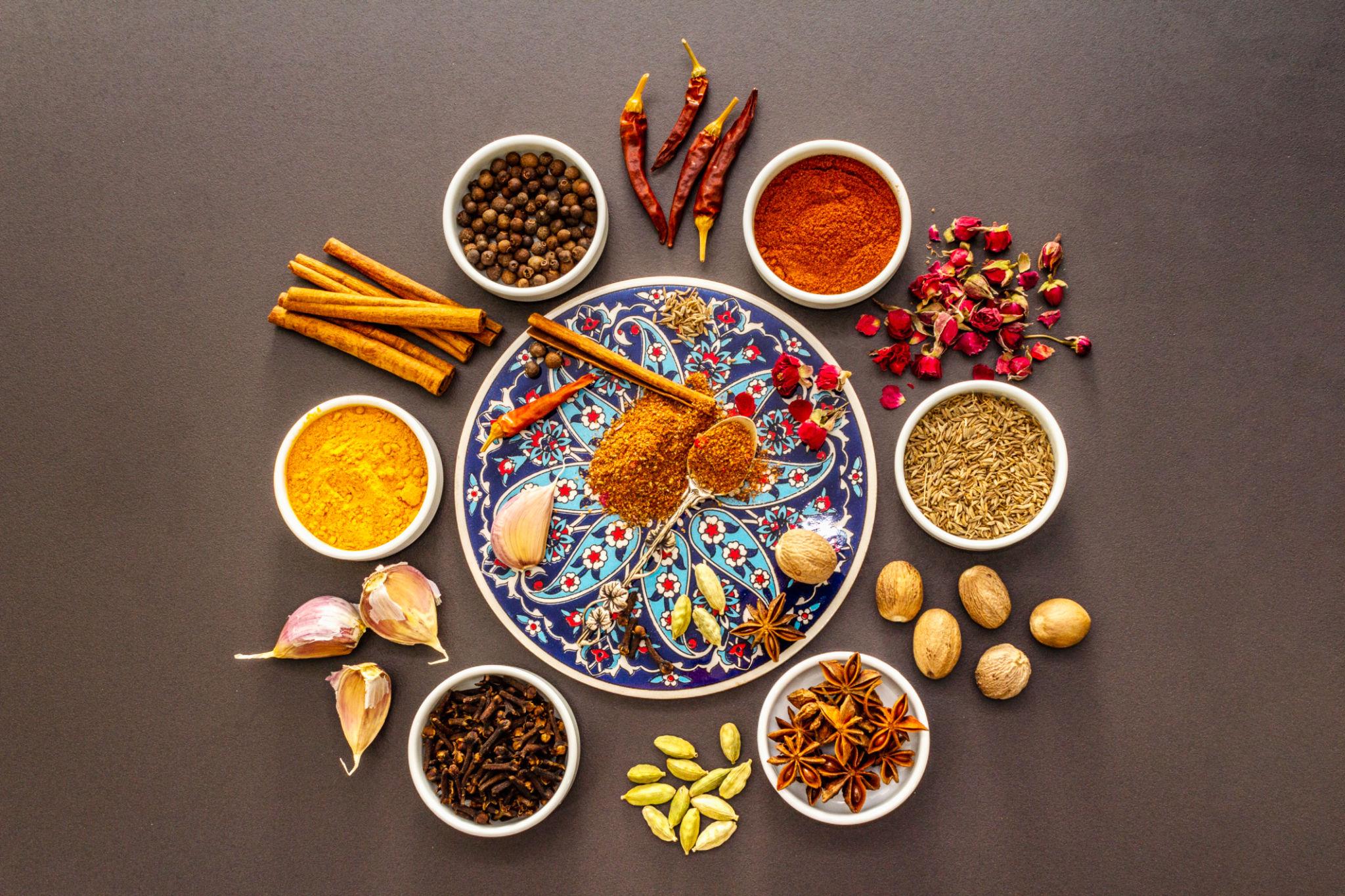
Ras el Hanout:
The name Ras el Hanout is commonly translated from Arabic as “head of the shop,” referring to a merchant’s best or most prized selection of spices. Traditionally, the blend varies according to the spice seller, household, and regional preferences. Some recipes contain a dozen ingredients, while elaborate versions may feature many more. There is no single universally fixed recipe, which makes homemade Ras el Hanout especially enjoyable to prepare and customize.
Making this Moroccan spice blend at home is simple, economical, and rewarding. You can combine ready-ground spices in minutes or toast whole spices before grinding them for a fresher aroma. Use your homemade mixture to season tagines, couscous, roasted vegetables, chicken, lamb, chickpeas, soups, and marinades. With its balanced warmth and distinctive fragrance, Ras el Hanout is a useful addition to any spice collection.
History of Ras el Hanout:
Ras el Hanout has a long association with the spice markets and culinary traditions of Morocco and the wider Maghreb region of North Africa. Historically, North African trading cities connected local communities with merchants carrying spices and other goods from across Africa, the Middle East, and Asia. These exchanges helped shape the region’s diverse culinary traditions.
The blend developed as a way for spice merchants and cooks to combine complementary ingredients into a distinctive seasoning. Rather than following one standard formula, each merchant or household could create a signature mixture based on available spices, taste, and tradition. As a result, Ras el Hanout became associated with carefully selected ingredients and complex, layered flavors.
Traditional blends may contain cumin, coriander, ginger, cinnamon, turmeric, pepper, cardamom, cloves, nutmeg, and other spices. Some variations include rose petals or more unusual ingredients, depending on local custom. Contemporary home recipes often simplify the mixture to make it accessible without losing its characteristic warmth.
Today, Ras el Hanout is widely used in Moroccan-inspired cooking around the world. It is especially valued in slow-cooked tagines, meat dishes, rice, couscous, and roasted vegetables, where its combination of fragrant spices can develop into a rich, balanced flavor.
Subscribe to our youtube channel Kitchenpedia for more delicious recipes and hit the like button if you enjoyed this youtubevideo. Share it with your friends and Family.
Ras el Hanout

Ingredients
- 2 tablespoons ground cumin
- 2 tablespoons ground coriander
- 1 tablespoon ground ginger
- 1 tablespoon ground turmeric
- 1 tablespoon sweet paprika
- 2 teaspoons ground cinnamon
- 2 teaspoons ground black pepper
- 1 teaspoon ground cardamom
- 1 teaspoon ground allspice
- 1 teaspoon ground allspice
- 1 teaspoon ground nutmeg
- ½ teaspoon ground cloves
- ½ teaspoon ground cayenne pepper, optional
- ½ teaspoon ground fennel seeds, optional
- ½ teaspoon ground mace, optional
Instructions
- Measure all the ingredients carefully and place them in separate small bowls. Check that the spices are fresh and dry, and break up any clumps before mixing.Preparing everything in advance makes it easier to create a consistent blend and adjust the proportions if necessary.
- For a more aromatic result, use whole cumin and coriander seeds instead of their ground equivalents. Place the seeds in a dry skillet over low to medium-low heat and stir continuously for approximately 1–3 minutes, until fragrant.Avoid overheating the spices. If they smoke or become very dark, they may develop a bitter taste. Allow them to cool completely before grinding.
- Transfer the cooled spices to a spice grinder or mortar and pestle. Grind them into a fine powder.If you use a coffee grinder, make sure it is clean and reserved for spices, as leftover coffee aromas can affect the flavor. Sift the powder if you prefer a smoother texture.
- Add the cumin, coriander, ginger, turmeric, paprika, cinnamon, black pepper, cardamom, allspice, nutmeg, cloves, and any optional ingredients to a dry mixing bowl.Stir thoroughly with a spoon or small whisk until the mixture has an even color and texture. Break apart any remaining clumps to distribute the spices evenly.
- Smell the mixture and consider the balance of aromas. Add a little extra cumin or coriander for earthiness, cinnamon for sweetness, or ginger and black pepper for a sharper, warmer profile.If you prefer a spicier blend, add a little more cayenne. Make adjustments gradually because stronger spices such as cloves, nutmeg, and cayenne can easily dominate the mixture.
- Transfer the finished Ras el Hanout to a clean, completely dry airtight glass jar. Label the jar with the name and preparation date.Keep it in a cool, dark cupboard away from sunlight, heat, steam, and moisture. For the best aroma, use the blend within approximately 3–6 months, although it may remain usable longer if stored properly.
- Start with about ½–1 teaspoon per serving, depending on the dish and your preference. Add the blend to olive oil, sautéed onions, or marinades to help its aromas spread throughout the food.For slow-cooked recipes, add it early enough for the flavors to develop. For roasted vegetables, toss the spices with oil before roasting, taking care not to burn them at high temperatures.
Notes
-
Recipes vary: There is no single fixed formula for Ras el Hanout, so ingredient combinations differ between cooks and regions.
-
Choose fresh spices: Fresh spices provide a stronger aroma and more distinctive flavor than old, faded powders.
-
Use cayenne carefully: Traditional-style blends can be aromatic without being extremely hot.
-
Avoid burning spices: Over-toasting can introduce bitterness and overpower the more delicate aromas.
-
Keep the mixture dry: Moisture can cause clumping and may affect storage quality.
-
Use a clean jar: Residual food particles or moisture can contaminate the blend.
-
Check labels when necessary: For gluten-free cooking, confirm that each packaged spice is suitable and check for cross-contamination.
-
Adjust to your dish: Start with a small quantity and add more as needed because the intensity varies among spice brands.
Tips for the Best Ras el Hanout
-
Toast whole seeds gently: Lightly toasting cumin and coriander can enhance their natural fragrance.
-
Grind in small batches: Freshly ground whole spices often retain a more vivid aroma.
-
Balance the warming spices: Cinnamon, cloves, and nutmeg should complement the blend rather than dominate it.
-
Customize the heat: Leave out cayenne for a milder seasoning or increase it gradually for more heat.
-
Bloom the spices in oil: Briefly warm the blend in oil over moderate heat before adding other ingredients.
-
Pair with citrus: Lemon juice or preserved lemon can brighten dishes seasoned with Ras el Hanout.
-
Make manageable quantities: Preparing smaller batches helps you enjoy the blend while its aroma is strongest.
-
Store away from heat: Keep the jar away from the stove and direct sunlight to help maintain flavor.
FAQ’s for Ras el Hanout:
1. What does it mean?
Ras el Hanout is an Arabic expression commonly translated as “head of the shop.” It refers to a spice merchant’s best or most prized selection of spices and the distinctive blend made from them.
2. What spices are in it?
Common ingredients include cumin, coriander, ginger, cinnamon, turmeric, black pepper, cardamom, nutmeg, and cloves. Some versions include paprika, allspice, fennel, mace, rose petals, or additional spices.
3. Is it spicy?
Ras el Hanout is usually warm and aromatic, with a flavor that can be earthy, sweet, peppery, and slightly floral. Its heat varies by recipe, especially when cayenne or other hot chilies are included.
4. What can I use instead of this?
There is no exact substitute, but a mixture of cumin, coriander, ginger, cinnamon, paprika, and black pepper can approximate some of its flavor. Adjust the proportions according to the dish you are preparing.
5. How long does homemade it last?
For the best flavor, use it within approximately 3–6 months when stored in a cool, dark place in an airtight, dry container. The spices may remain usable longer, but their aroma and potency gradually decrease.
6. Can I use it for vegetables?
Yes. It works particularly well with roasted carrots, cauliflower, pumpkin, potatoes, sweet potatoes, and chickpeas. Mix the vegetables with olive oil and a small amount of the blend before roasting.
7. Is Ras el Hanout vegan?
Yes. A homemade blend made exclusively from spices is naturally vegan and vegetarian. Check the ingredients of commercial mixes if you are concerned about additives or processing.
8. Can I make this without a spice grinder?
Yes. You can use ready-ground spices and mix them thoroughly in a bowl. This is the quickest method and still produces a flavorful seasoning without specialized equipment.
Conclusion:
Homemade Ras el Hanout is a simple way to bring the rich, fragrant flavors of Moroccan and North African cooking into your kitchen. Its combination of cumin, coriander, cinnamon, ginger, turmeric, cardamom, and other aromatic spices creates a versatile blend that adds depth to everything from tagines and couscous to roasted vegetables and marinades.
With just a few pantry ingredients and around 10–15 minutes of preparation, you can create a custom spice mixture suited to your taste. Toast whole spices for extra fragrance, adjust the proportions to balance the flavors, and store the finished blend in an airtight jar to preserve its aroma.
Whether you are exploring Moroccan cooking for the first time or adding variety to your everyday meals, Ras el Hanout is a wonderful seasoning to keep on hand.