


Jemput also known as Jemput Pisang, Cekodok Pisang, or Kuih Kodok, is a beloved Southeast Asian banana fritter made by combining mashed ripe bananas with flour, sugar, and a few simple ingredients. Small spoonfuls of the thick batter are dropped into hot oil and fried until beautifully golden and crisp on the outside while remaining soft, moist, and naturally sweet inside.This humble snack is especially associated with Malaysia, Indonesia, Singapore, and Brunei, where it is commonly enjoyed as a tea-time treat, breakfast snack, or simple homemade dessert.
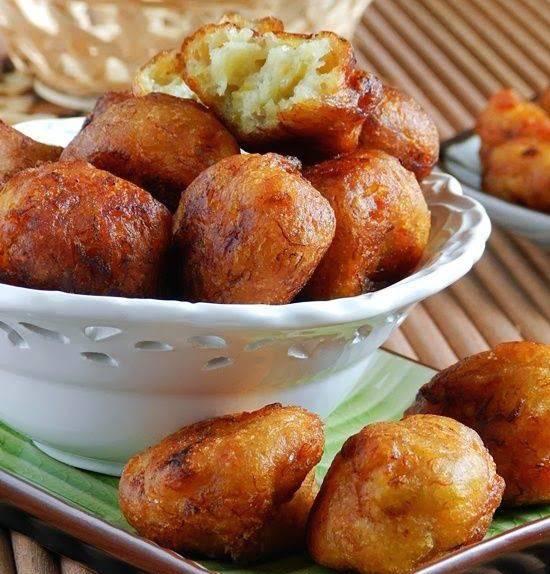
Jemput Jemput:
Recipes vary from household to household: some versions use baking powder or baking soda, while others include coconut, sesame seeds, or different types of flour for extra texture.One of the best things about Jemput is that it turns very ripe bananas—sometimes too soft to enjoy on their own—into something wonderfully delicious. The naturally sweet banana provides most of the flavor, while a small amount of flour gives the fritters enough structure to hold their shape. Serve them warm with tea or coffee for an easy snack the whole family will love.
History:
Jemput is a traditional fritter found across the Malay culinary world, particularly in Malaysia, Indonesia, Singapore, and Brunei. The name is associated with the method of taking or scooping portions of batter before frying, which helps explain the characteristic small, irregular shapes of these fritters.The banana version, commonly called Jemput Pisang, developed as a practical way of using ripe or overripe bananas. Rather than allowing soft bananas to go to waste, home cooks could mash them, combine them with inexpensive pantry ingredients, and fry the mixture into a satisfying snack.
Subscribe to our youtube channel Kitchenpedia for more delicious recipes and hit the like button if you enjoyed this youtubevideo. Share it with your friends and Family.
Jemput Jemput

Ingredients
For the Banana Fritters
- 5–6 medium very ripe bananas, peeled
- 1½ cups all-purpose flour
- 3 tablespoons granulated sugar
- 1 teaspoon baking powder
- ¼ teaspoon salt
- ½ teaspoon vanilla extract, optional
- 1–2 tablespoons water, only if needed
- Vegetable or sunflower oil, for deep-frying
Instructions
Mash the Bananas
- Place the peeled bananas in a large mixing bowl. Mash them with a fork until mostly smooth. A few small banana pieces can remain for extra texture.
Add the Sweetness
- Add the sugar, salt, and vanilla extract. Mix well until the ingredients are evenly incorporated.
Add the Dry Ingredients
- Add the all-purpose flour and baking powder gradually. If using desiccated coconut, add it at this stage as well.Mix gently until you have a thick, sticky batter. Do not add water unless the mixture is unusually dry.
Rest the Batter
- Allow the batter to rest for about 5–10 minutes. This gives the flour time to hydrate and makes the mixture easier to scoop.
Heat the Oil
- Pour enough oil into a deep, heavy-bottomed pan or wok for deep-frying. Heat over medium heat until the oil reaches approximately 175–185°C (350–365°F).Avoid overheating the oil because the outside can brown before the banana-filled center cooks properly.
Fry the Fritters
- Using two spoons or a small cookie scoop, carefully drop small portions of batter into the hot oil.Do not overcrowd the pan. Fry in batches so the temperature of the oil remains steady.
Cook Until Golden
- Fry the fritters for approximately 3–5 minutes, turning them occasionally, until they become golden brown and cooked through.
Drain and Serve
- Remove the fritters with a slotted spoon and place them on a wire rack or paper towels to drain excess oil.
Notes
- Use overripe bananas: They provide better sweetness, moisture, and banana flavor.
- Do not make the batter too thin: A thick batter produces better-shaped fritters.
- Flour quantity can vary: Very large or particularly juicy bananas may require a little extra flour.
- Avoid excessive sugar: Ripe bananas are already naturally sweet.
- Keep the fritters small: Smaller portions cook more evenly.
- Maintain consistent oil temperature: This helps prevent greasy or burnt fritters.
- Drain properly: A wire rack helps preserve crispness better than leaving them directly on paper towels.
- Eat them fresh: Jemput Jemput has the best texture shortly after frying.
Tips for Jemput Jemput:
Choose Very Ripe Bananas
Bananas with brown spots are ideal. They are softer and considerably sweeter than underripe bananas.
Don’t Overmix
Mix the batter only until the flour disappears. Overmixing can make the fritters unnecessarily dense.
Test One Fritter First
Fry one small fritter before cooking the entire batch. If it browns too quickly, lower the heat.
Keep the Oil at Medium Heat
If the oil is too hot, the exterior may become dark while the middle remains undercooked.
Avoid Overcrowding
Too many fritters at once can dramatically reduce the oil temperature and result in oily fritters.
Use a Small Scoop
Keeping the fritters relatively small helps them cook evenly and gives you a crisp exterior with a soft center.
Add Coconut for Extra Texture
A little desiccated coconut can give the fritters additional texture and a subtle tropical flavor.
Serve Immediately
Freshly fried Jemput is at its crispest and most delicious when served warm.
FAQs for Jemput Jemput:
1. What does Jemput mean?
Jemput is a traditional fritter associated with Malaysia, Indonesia, Singapore, and Brunei. The banana version is commonly called Pisang or Cekodok Pisang.
2. Can I make without baking powder?
Yes. Many traditional-style recipes use different combinations of flour and leavening agents, and some versions can be made without baking powder. The texture may be slightly denser.
3. Why are my banana fritters oily?
The oil may not be hot enough, or you may have added too many fritters to the pan at once. Maintain a steady frying temperature and cook in small batches.
4. Why are my fritters raw inside?
They may be too large, or the oil may be excessively hot. Make smaller fritters and fry them over medium heat so the center has enough time to cook.
5. Can I use frozen bananas?
Yes. Thaw them completely and drain excess liquid before adding flour. Frozen bananas can release more moisture than fresh ones.
6. Can I add coconut?
Absolutely. Desiccated coconut or finely grated fresh coconut can be added for extra flavor and texture.
7. Can I reduce the sugar?
Yes. If your bananas are very ripe, you can reduce the added sugar significantly.
8. How should I store leftover Jemput?
Allow them to cool completely and refrigerate in an airtight container. Reheat them in an oven or air fryer to restore some crispness.
9. Can I make them gluten-free?
Yes. Replace all-purpose flour with a suitable gluten-free flour blend. The texture will be somewhat different from the traditional version.
10. What should I serve with Jemput?
They are delicious with hot tea or coffee. For a dessert-style presentation, you can also serve them with honey, condensed milk, chocolate sauce, or powdered sugar.
Conclusion:
Jemput is a wonderfully simple example of Southeast Asian comfort food. With nothing more than ripe bananas, flour, sugar, and a few pantry staples, you can create golden fritters with a crisp exterior and soft, sweet banana center.Whether you call them Jemput Pisang, Cekodok Pisang, or banana fritters, these little treats are perfect for breakfast, afternoon tea, family gatherings, or whenever you have a few overripe bananas waiting to be used. Their rustic appearance and homemade flavor are exactly what make them so special.