

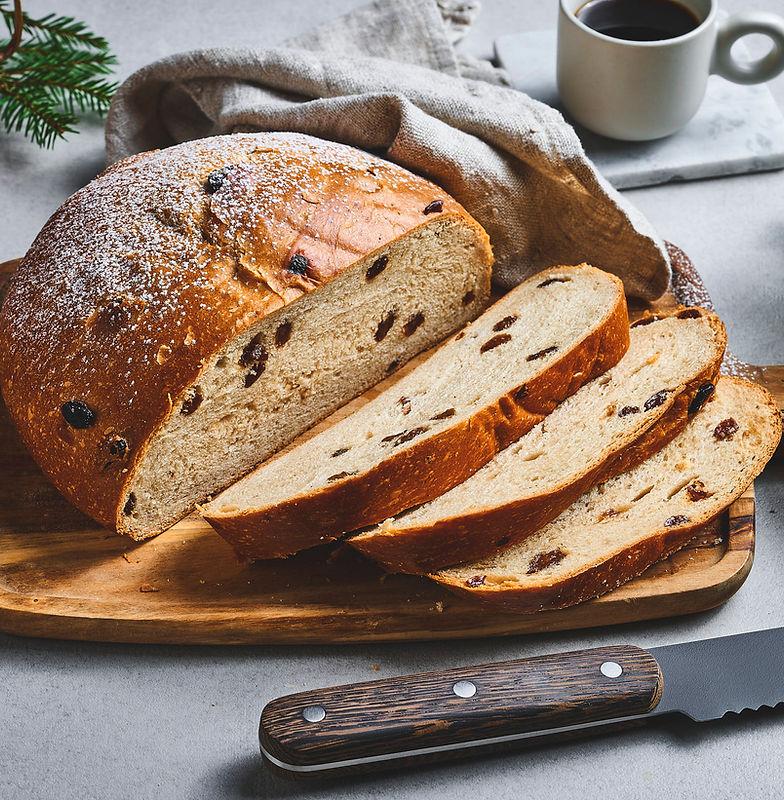
Julekake is a traditional Norwegian Christmas bread that fills the kitchen with the warm, inviting aroma of cardamom, butter, and sweet dried fruit. Soft, tender, and lightly sweetened, this festive bread is traditionally enjoyed during the Christmas season with coffee, tea, or a generous spread of butter.The name Julekake translates roughly to Christmas cake although it is actually a rich, yeasted bread rather than a conventional cake.
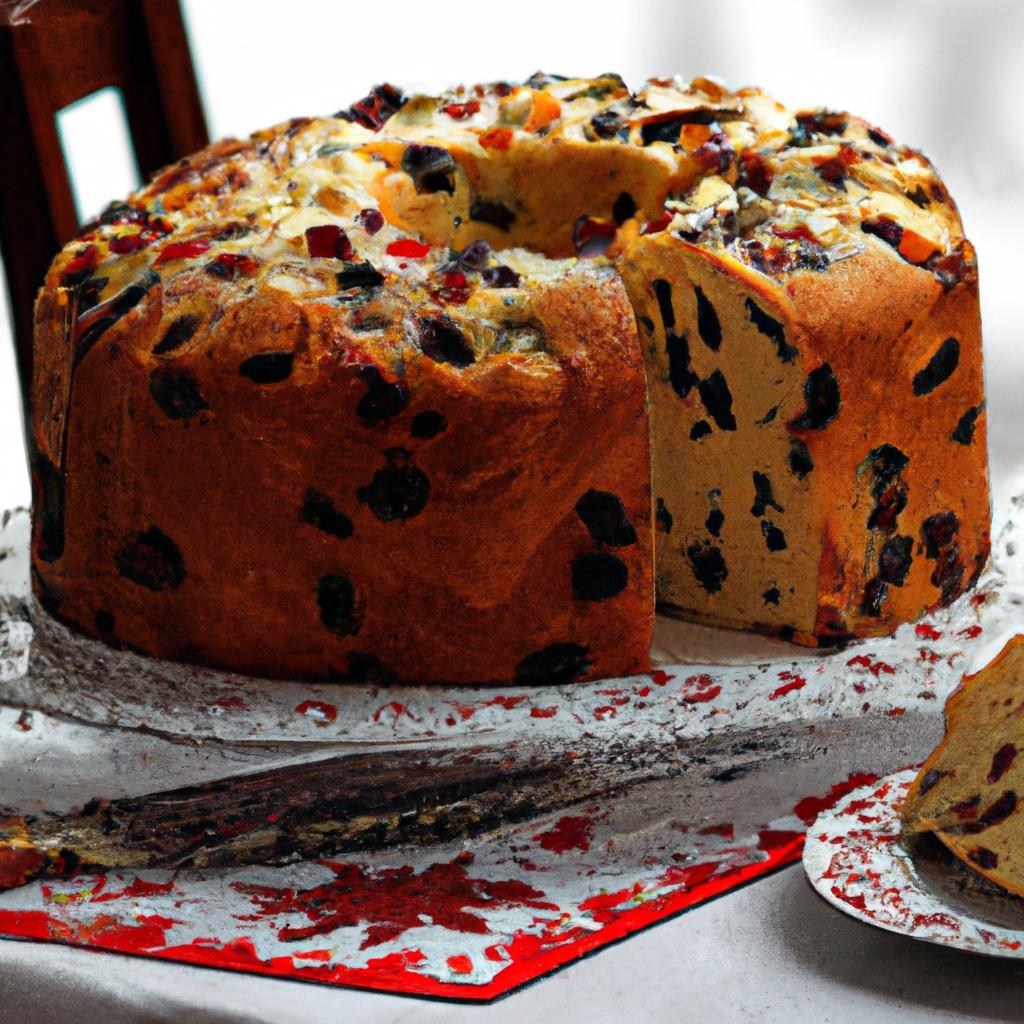
Julekake:
Its signature flavor comes from fragrant ground cardamom, while raisins and candied citrus peel add bursts of sweetness throughout the loaf.This beautiful Scandinavian bread is perfect for holiday breakfasts, Christmas brunches, afternoon coffee gatherings, or homemade gifts. Served fresh and slightly warm, Julekake is wonderfully soft and buttery, making it a memorable addition to any festive table.
History:
Julekake has a long tradition in Norwegian Christmas baking. Sweet, enriched breads became especially associated with celebrations because ingredients such as butter, sugar, and spices were historically more special and expensive than everyday baking staples.Cardamom became an important flavor in Scandinavian baking and is now closely associated with Norwegian festive breads and pastries. Families developed their own versions of Julekake, with variations in the amount of raisins, candied fruit, spices, and sweetness.
Subscribe to our youtube channel Kitchenpedia for more delicious recipes and hit the like button if you enjoyed this youtubevideo. Share it with your friends and Family.
Julekake

Ingredients
For the Julekake
- 4 cups all-purpose flour
- 2¼ teaspoons active dry yeast
- ½ cup granulated sugar
- 1 teaspoon salt
- 1½ teaspoons ground cardamom
- 1 cup whole milk
- 6 tablespoons unsalted butter
- 2 large eggs
- 1 teaspoon vanilla extract
- ½ cup candied orange or citron peel
- ½ cup chopped candied cherries, optional
For the Egg Wash
- 1 large egg
- 1 tablespoon milk
Instructions
Prepare the Milk Mixture
- Warm the milk in a small saucepan until it is warm but not boiling.Add the butter and stir until melted.Allow the mixture to cool until it is lukewarm.
Activate the Yeast
- Place the lukewarm milk mixture in a large mixing bowl.Add the yeast and a small portion of the sugar.Let it stand for approximately 5–10 minutes, until the yeast becomes foamy.If using instant yeast, this activation step can be shortened and the yeast can be mixed directly with the dry ingredients.
Make the Dough
- Add the remaining sugar, eggs, vanilla, salt, and ground cardamom.Gradually add the flour, mixing until a soft dough forms.Knead the dough by hand for approximately 8–10 minutes, or use a stand mixer with a dough hook for 5–7 minutes.The dough should become smooth and elastic while remaining slightly soft.
Add the Fruit
- Gently knead in the raisins and candied citrus peel.If the fruit feels sticky, lightly toss it with a tablespoon of flour before adding it to the dough.
First Rise
- Place the dough in a lightly greased bowl.Cover with a clean kitchen towel or plastic wrap.Let it rise in a warm, draft-free location for approximately 1–1½ hours, or until doubled in size.
Shape the Loaf
- Gently punch down the risen dough to release excess air.Shape it into a round or oval loaf.Place it on a parchment-lined baking sheet or into a greased loaf pan.Cover loosely and allow it to rise again for approximately 30–45 minutes.
Bake
- Bake for approximately 30–40 minutes, or until the loaf is beautifully golden brown and sounds hollow when tapped.If the top browns too quickly, loosely cover it with aluminum foil during the final portion of baking.Transfer the Julekake to a wire rack and allow it to cool before slicing.
Optional Glaze
- For a sweeter finish, whisk powdered sugar with milk or orange juice until smooth.Drizzle lightly over the cooled bread.
Notes
- Use fresh yeast for the best rise and texture.
- Make sure the milk is lukewarm rather than hot before adding yeast.
- Do not add too much flour because it can make the bread dense.
- Cardamom is the signature spice, so use freshly ground cardamom when possible.
- Tossing dried fruit with a little flour can help distribute it throughout the dough.
- Allow enough time for both rises.
- Cool the loaf before slicing for the cleanest cuts.
- Store leftovers tightly wrapped to preserve moisture.
Tips for Julekake:
- Use fresh cardamom: It provides a much stronger and more aromatic flavor.
- Soak raisins: Soaking them briefly in warm water makes them plumper and softer.
- Don’t rush the rise: Proper fermentation produces a lighter loaf.
- Knead thoroughly: A well-developed dough gives Julekake its soft structure.
- Watch the flour: Add it gradually rather than all at once.
- Protect the crust: Cover with foil if the loaf becomes too brown.
- Slice when cool: This prevents the soft interior from becoming compressed.
- Warm before serving: A few seconds of gentle warming makes the bread wonderfully soft.
FAQs for Julekake:
Q: What does Julekake mean?
Julekake is a Norwegian name that roughly translates to “Christmas cake.” Despite its name, it is traditionally a sweet, enriched yeast bread.
Q: What does Julekake taste like?
It has a mildly sweet, buttery flavor with aromatic cardamom and sweet bursts of raisins and candied fruit.
Q: Can I make Julekake without candied fruit?
Yes. You can leave out the candied fruit and use additional raisins or other dried fruit.
Q: Can I use other dried fruits?
Absolutely. Dried cranberries, chopped apricots, golden raisins, or currants can be used, although raisins and candied citrus are traditional choices.
Q: Why is my dense?
Dense bread can result from too much flour, insufficient kneading, inactive yeast, or inadequate rising time. Make sure the dough doubles during the first rise.
Q: Can I prepare Julekake the night before?
Yes. You can prepare the dough and allow it to rise slowly in the refrigerator overnight. Bring it toward room temperature before shaping and baking.
Q: How should Julekake be served?
It is traditionally sliced and served with butter alongside coffee or tea. It can also be enjoyed with cheese or fruit preserves.
Q: How should I store Julekake?
Keep it tightly wrapped at room temperature for a few days. For longer storage, slice and freeze the bread in an airtight freezer-safe bag or container.
Conclusion:
Julekake is a beautiful Norwegian Christmas tradition that combines a soft, buttery enriched bread with fragrant cardamom, juicy raisins, and colorful candied fruit. Its comforting aroma and festive appearance make it an especially wonderful centerpiece for a holiday breakfast or coffee table.Serve thick slices with butter, coffee, or tea, or wrap a freshly baked loaf as a thoughtful homemade Christmas gift. With its warm Scandinavian flavors and tender texture, Julekake brings a delicious taste of Norwegian Christmas baking to your home.