

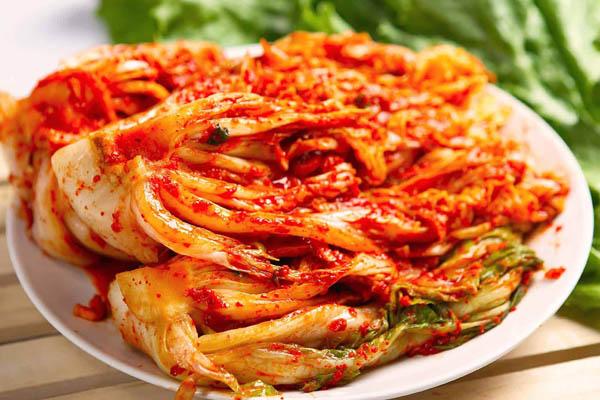
Kimchi is one of the most famous and beloved dishes in Korean cuisine. This traditional fermented vegetable dish is known for its distinctive combination of tangy, spicy, savory, and slightly sour flavors. Although there are many varieties of kimchi, cabbage kimchi is one of the most popular versions.
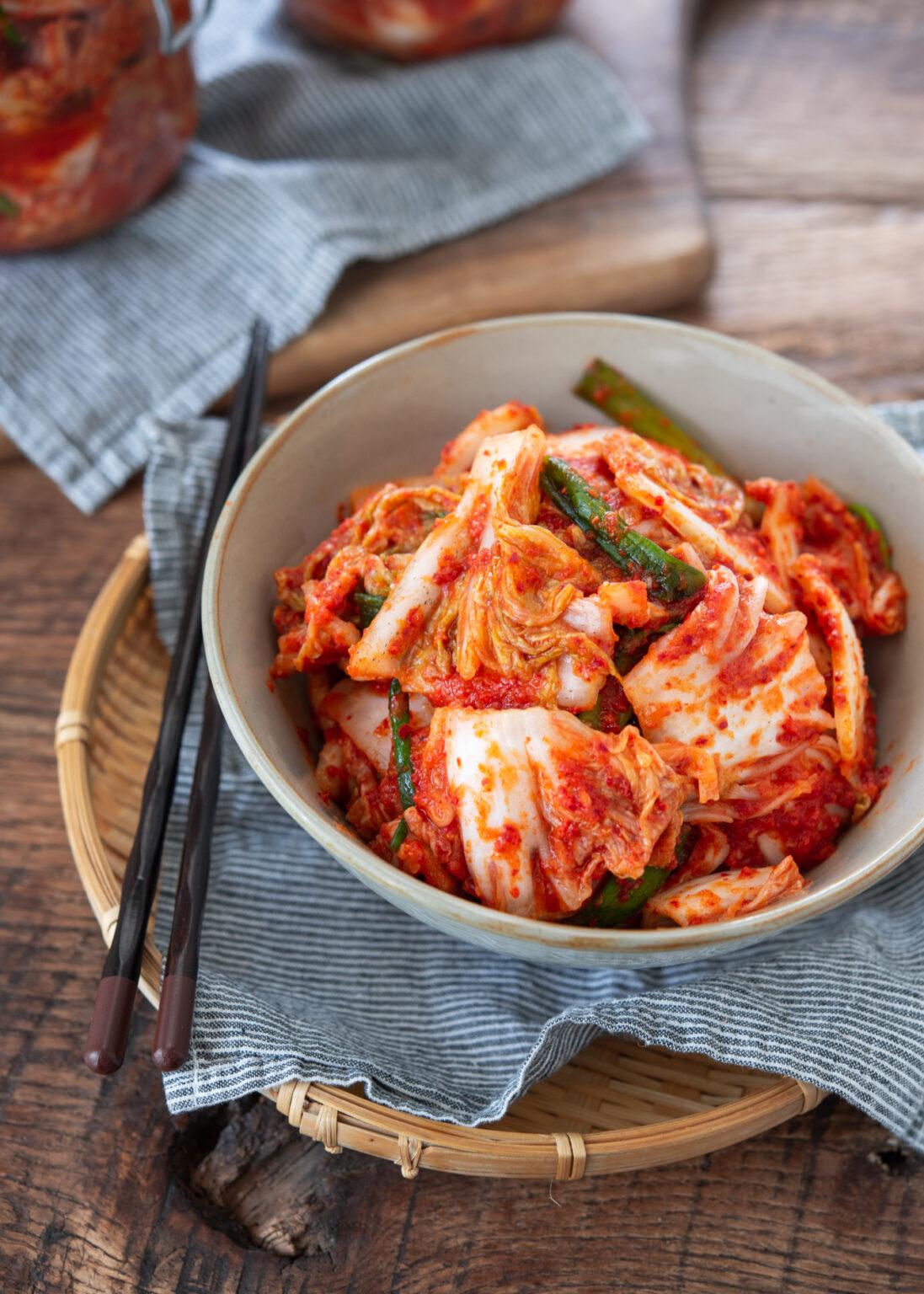
Kimchi:
Traditional is commonly made by salting vegetables and seasoning them with ingredients such as garlic, ginger, Korean chili flakes, scallions, and other flavorful additions. The vegetables are then allowed to ferment, gradually developing their characteristic depth of flavor.can be enjoyed as a side dish or used as an ingredient in fried rice, soups, stews, noodles, pancakes, and many other Korean dishes. Its bold taste makes it a versatile and exciting addition to homemade meals.
History:
Kimchi has a long history in Korean food culture and developed from traditional methods of preserving vegetables. Before modern refrigeration, fermentation and salting helped extend the shelf life of seasonal vegetables.Over time, Korean cooks developed numerous varieties using different vegetables and seasonings. Napa cabbage, radish, cucumber, and other vegetables can all be used to create different styles.Today, kimchi remains an important part of Korean cuisine and is enjoyed around the world. Every household and region may have its own preferred ingredients, fermentation time, and flavor profile.
Subscribe to our youtube channel Kitchenpedia for more delicious recipes and hit the like button if you enjoyed this youtubevideo. Share it with your friends and Family.
Kimchi

Ingredients
For Salting the Cabbage
- 1 large Napa cabbage
- ½ cup coarse sea salt or kosher salt
- Water, as needed
For the Kimchi Seasoning Paste
- ¼ cup Korean chili flakes (gochugaru), or according to taste
- 4 cloves garlic
- 1 tablespoon fresh ginger, peeled
- 1 small onion
- 1 tablespoon sugar
- 2 tablespoons fish sauce, optional
- 2 tablespoons water
Vegetables
- 4 scallions, cut into pieces
- 1 small carrot, julienned
- ½ cup Korean radish or daikon radish, julienned
Instructions
Prepare the Cabbage
- Cut the Napa cabbage lengthwise into quarters.Remove the tough base while keeping enough of the leaves attached.Cut the cabbage into manageable pieces if preferred.
Salt the Cabbage
- Place the cabbage in a large bowl.Sprinkle salt between the leaves and over the thicker sections.Add enough water to help the cabbage soften.
Allow the Cabbage to Rest
- Let the cabbage rest for approximately 1½–2 hours.Turn the cabbage occasionally so it softens evenly.
Drain Completely
- Place the cabbage in a colander.Allow it to drain thoroughly while preparing the seasoning paste.
Prepare the Seasoning Base
- Add the garlic, ginger, onion, sugar, fish sauce, and water to a blender or food processor.Blend until smooth.
Add the Vegetables
- Add the scallions, julienned carrot, and radish to the seasoning paste.Mix until the vegetables are evenly coated.
Season the Cabbage
- Wearing food-safe gloves, gently spread the seasoning mixture between the cabbage leaves.Make sure the cabbage is evenly coated.
Pack the Kimchi
- Place the seasoned cabbage into a clean glass jar or suitable fermentation container.Press the kimchi down gently to remove large air pockets.Leave some space at the top because fermentation may create gas and liquid.
Check the Kimchi
- Taste the kimchi after the first day.Once it reaches your preferred level of tanginess, transfer it to the refrigerator.
Refrigerate
- Refrigeration slows the fermentation process.The flavor will continue to develop gradually over time.
Serve
- Serve kimchi as a side dish with rice and other Korean meals.You can also use it in fried rice, soups, stews, noodles, or pancakes.
Notes
- Salt: Use coarse salt rather than finely powdered table salt when possible.
- Cabbage: Napa cabbage is commonly used for classic cabbage kimchi.
- Gochugaru: Korean chili flakes provide the characteristic color and flavor.
- Fish sauce: It adds savory depth but can be omitted or replaced for a vegetarian version.
- Fermentation: Fermentation time depends on temperature and personal preference.
- Container: Use a clean container with sufficient space for expansion.
- Flavor: Kimchi becomes more sour and complex as it continues to ferment.
- Refrigeration: Refrigeration slows fermentation but does not completely stop it.
Tips for Kimchi:
- Use fresh and crisp Napa cabbage.
- Salt the thicker parts of the cabbage carefully.
- Rinse thoroughly after salting to prevent excessive saltiness.
- Drain the cabbage well before adding the seasoning.
- Wear gloves when mixing the spicy chili paste.
- Press the kimchi down gently when packing the container.
- Check the kimchi regularly during room-temperature fermentation.
- Transfer it to the refrigerator when it reaches your preferred flavor.
FAQs for Kimchi:
Q: What is kimchi?
Kimchi is a traditional Korean fermented dish made with vegetables and flavorful seasonings. Napa cabbage kimchi is one of its most popular varieties.
Q: Is always spicy?
No. Many varieties of are spicy, but the amount of chili can be adjusted, and some types contain little or no chili.
Q: How long does need to ferment?
The fermentation time depends on the temperature and your preferred level of sourness. It may begin developing a tangy flavor within one or two days at a cool room temperature.
Q: Can I make vegetarian?
Yes. Omit fish sauce and use a suitable vegetarian alternative if desired.
Q: Why is my kimchi becoming sour?
Sourness is a natural part of the fermentation process. The flavor generally becomes more tangy as the continues to ferment.
Q: What can I make with kimchi?
can be used in fried rice, stews, soups, noodles, pancakes, and many other Korean-inspired dishes.
Q: How should I store kimchi?
Store in a clean, sealed container in the refrigerator once it has reached your preferred fermentation level.
Q: How long does homemade last?
Properly stored can continue developing flavor for an extended period in the refrigerator. Always check its appearance, smell, and texture before consuming it.
Conclusion:
Kimchi is a vibrant, flavorful, and versatile Korean dish that brings together fresh vegetables, bold seasonings, and the unique character of fermentation. Its combination of spicy, tangy, savory, and complex flavors makes it an exciting addition to countless meals.Whether served alongside a simple bowl of rice or used as an ingredient in fried rice, soups, and stews, homemade brings authentic Korean-inspired flavor to your kitchen. By adjusting the seasonings and fermentation time, you can create a delicious version that perfectly suits your taste.