

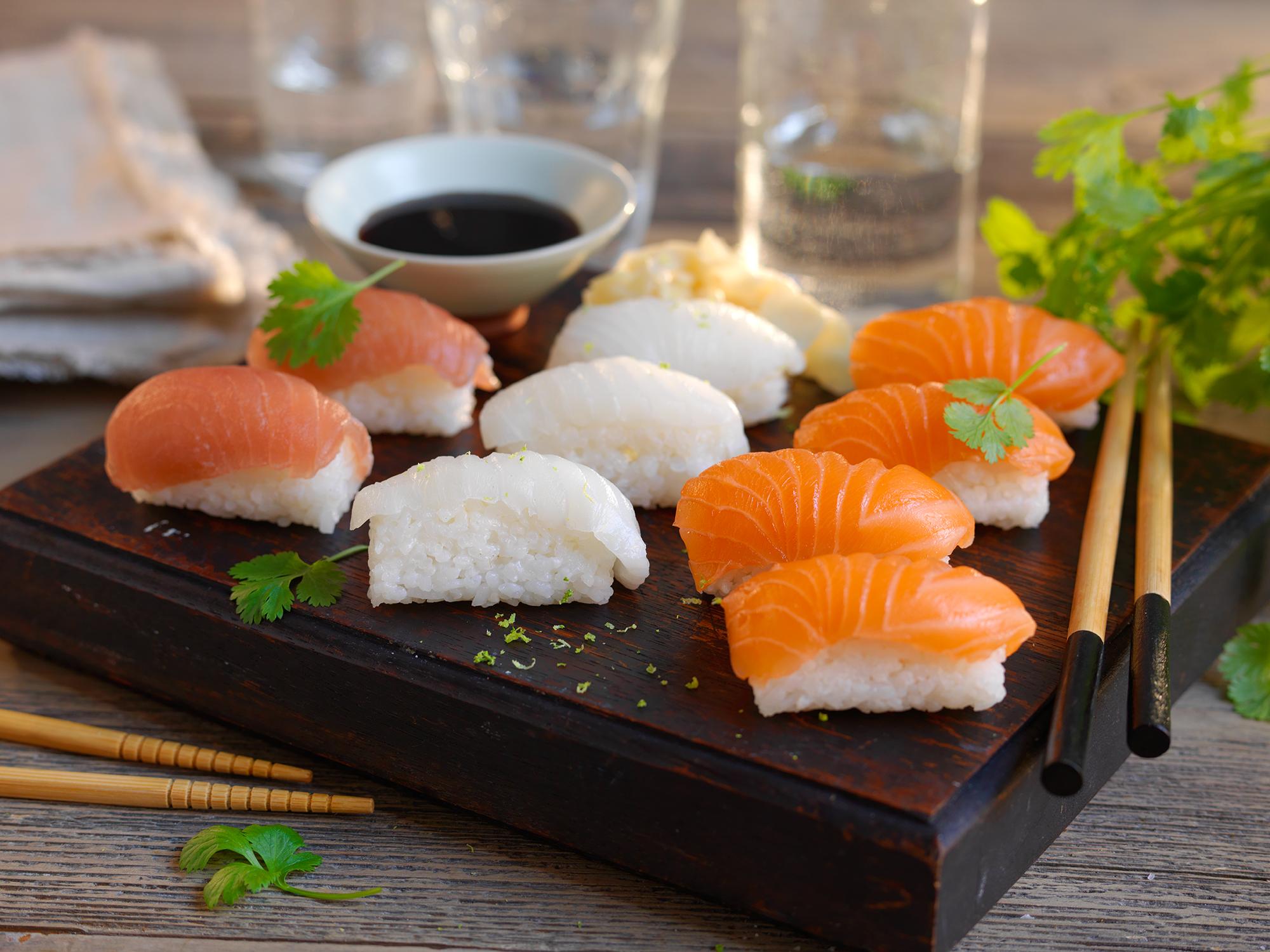
Nigiri Sushi is one of the most elegant and recognizable forms of Japanese sushi. It consists of a small mound of seasoned sushi rice that is gently shaped by hand and topped with a thin slice of fresh fish or seafood. Simple, delicate, and beautifully presented, nigiri allows the quality of the rice and seafood to take center stage.
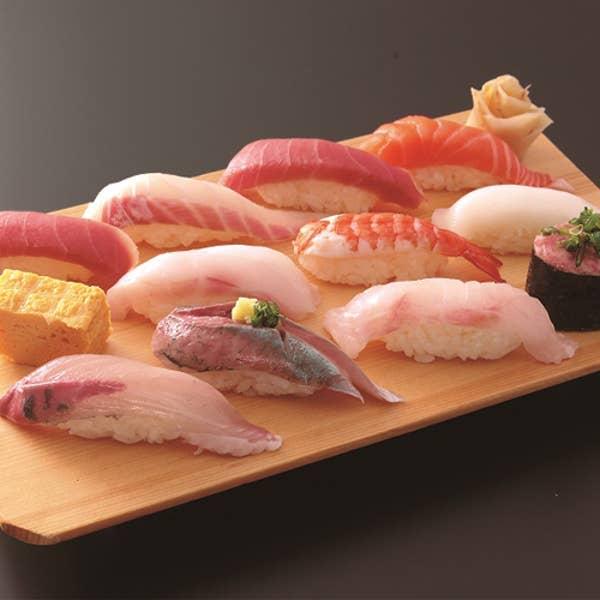
Nigiri Sushi:
Unlike rolled sushi, nigiri does not require a bamboo mat or complicated rolling technique. The rice is carefully formed into an oval shape, a small amount of wasabi may be added, and the seafood is placed neatly over the top. The finished piece is compact, balanced, and designed to be enjoyed in just a few bites.
Making nigiri at home requires attention to rice texture, knife technique, temperature, and food safety. With properly prepared sushi rice and seafood specifically intended for raw consumption, you can create an impressive Japanese-inspired sushi platter at home. Cooked shrimp, smoked salmon, tamago, or other cooked toppings can also be used for alternatives to raw fish.
History of Nigiri Sushi:
Nigiri sushi is associated with the development of Edomae sushi in Edo, now Tokyo, during the early 19th century. It became popular as a convenient form of sushi that could be prepared and served quickly to customers.
The term nigiri relates to the Japanese word for gripping or squeezing by hand, reflecting the technique used to shape the rice. Unlike older styles of sushi that could involve longer preservation methods, Edomae-style nigiri focused on fresh ingredients prepared for immediate consumption.Over time, nigiri became one of the best-known forms of sushi worldwide. Traditional preparations often emphasize simplicity, careful slicing, properly seasoned rice, and high-quality seafood rather than numerous sauces or toppings.
Subscribe to our youtube channel Kitchenpedia for more delicious recipes and hit the like button if you enjoyed this youtubevideo. Share it with your friends and Family.
Nigiri Sushi

Ingredients
For the Sushi Rice
- 2 cups Japanese short-grain sushi rice
- 2¼ cups water
- ¼ cup rice vinegar
- 2 tablespoons granulated sugar
- 1 teaspoon salt
For the Nigiri Toppings
- Sushi-grade salmon, thinly sliced
- Sushi-grade tuna, thinly sliced
- Sushi-grade yellowtail, thinly sliced
- Sushi-grade sea bream, thinly sliced
- Cooked shrimp
- Cooked eel
- Smoked salmon
- Tamago, sliced into thin pieces
Instructions
Rinse the Sushi Rice
- Place the sushi rice in a bowl.Cover it with cold water and gently swirl the rice with your fingers.Drain the cloudy water.Repeat the process several times until the water becomes mostly clear.Allow the rice to drain for approximately 10–15 minutes.
Cook the Rice
- Add the rinsed rice and water to a rice cooker or saucepan.Cook according to the rice package instructions.Once cooked, allow the rice to rest for approximately 10 minutes with the lid closed.The finished rice should be tender but slightly firm rather than mushy.
Prepare the Sushi Vinegar
- While the rice is cooking, combine the rice vinegar, sugar, and salt in a small saucepan.Warm gently until the sugar and salt dissolve.Do not boil the mixture.Allow it to cool slightly.
Season the Rice
- Transfer the cooked rice to a wide, shallow bowl.Drizzle the seasoned vinegar over the rice.Using a rice paddle or spatula, gently fold the vinegar into the rice using cutting motions.Avoid aggressively stirring or crushing the grains.Allow the rice to cool to approximately room temperature.
Prepare the Seafood
- Keep raw seafood properly chilled until you are ready to slice it.Use a very sharp knife.Slice the fish across the appropriate direction of the muscle fibers into thin, even pieces approximately ¼ inch (6 mm) thick.The exact shape and thickness can vary depending on the fish.
Prepare Your Hands
- Keep a small bowl of water nearby.Lightly dampen your fingers before shaping each rice portion.This prevents the sticky sushi rice from adhering excessively to your hands.
Shape the Rice
- Take approximately 1 tablespoon of sushi rice.Gently press and shape it into a small oval mound.Do not squeeze the rice too tightly.The grains should remain together while still retaining a light texture.
Add Wasabi
- If desired, place a very small amount of wasabi onto the underside of the fish.Traditional nigiri uses only a small amount because excessive wasabi can overpower the delicate seafood and rice.
Add the Seafood
- Place the sliced fish or seafood gently over the shaped rice.Use your fingers to make a very light adjustment so the topping sits neatly on the rice.Avoid compressing the nigiri too firmly.
Repeat
- Continue shaping the rice and adding different toppings until all ingredients are used.Keep the finished pieces covered or chilled appropriately while you complete the platter.
Serve
- Arrange the nigiri on a clean serving plate.Serve with small portions of soy sauce, pickled ginger, and wasabi.Nigiri is generally best enjoyed soon after assembly.
Notes
- Raw seafood safety: Use seafood specifically sold and handled for raw consumption and purchase it from a reputable supplier.
- Keep fish cold: Raw fish should remain properly refrigerated throughout preparation.
- Rice texture: Sushi rice should be sticky enough to hold its shape but not mushy.
- Do not overpack rice: Firmly compressed rice can make nigiri dense and heavy.
- Use a sharp knife: A sharp knife produces cleaner fish slices and helps preserve texture.
- Balance: Traditional nigiri is intentionally simple, allowing rice and seafood to remain the main flavors.
- Cooked alternatives: Shrimp, eel, tamago, and smoked salmon are useful options for those who do not want raw fish.
- Serve promptly: Nigiri is best enjoyed soon after assembl
Tips for Nigiri Sushi:
- Rinse the sushi rice thoroughly before cooking.
- Use Japanese short-grain rice rather than ordinary long-grain rice.
- Allow cooked rice to cool before shaping the nigiri.
- Keep your hands slightly damp when handling sushi rice.
- Use a very sharp knife for slicing fish.
- Cut fish into consistent pieces for an attractive presentation.
- Use only a tiny amount of wasabi so it does not overpower the seafood.
- Prepare only as much raw-fish nigiri as you plan to serve.
FAQs for Nigiri Sushi:
1. What is Nigiri Sushi?
Nigiri is a type of Japanese sushi consisting of a small hand-shaped mound of seasoned sushi rice topped with sliced seafood or another topping.
2. Is nigiri always made with raw fish?
No. Although raw fish is common, nigiri can also be made with cooked shrimp, cooked eel, tamago, smoked salmon, or other cooked toppings.
3. What rice is best for nigiri?
Japanese short-grain sushi rice is the best choice because its texture allows the rice to hold together without becoming overly sticky or mushy.
4. Can I make nigiri without a bamboo mat?
Yes. Nigiri is shaped directly by hand, so a sushi rolling mat is not required.
5. What fish can be used for nigiri?
Common options include salmon, tuna, yellowtail, sea bream, and other seafood sold by a reputable supplier specifically for raw consumption.
6. How much rice should be used for one piece?
Approximately 1 tablespoon of cooked sushi rice is a useful starting point. The exact amount can be adjusted according to the size of the topping.
7. What do you eat nigiri with?
Nigiri is commonly served with soy sauce, wasabi, and pickled ginger. Some types may already have sauce or seasoning added by the chef.
8. Can I prepare nigiri in advance?
It is best assembled shortly before serving. Sushi rice can be prepared earlier, but raw-fish nigiri should be handled carefully and kept properly chilled.
Conclusion:
Nigiri Sushi showcases the beauty of Japanese cuisine through simplicity, balance, and careful preparation. Soft seasoned sushi rice is shaped by hand and topped with delicate slices of seafood, creating an elegant bite where every ingredient has a purpose.
Although restaurant-quality nigiri requires practice, the basic technique is approachable at home. Start with properly cooked sushi rice, high-quality seafood intended for raw consumption, a sharp knife, and gentle hands. Cooked shrimp, eel, tamago, and smoked salmon also provide excellent alternatives.
Serve the finished nigiri with soy sauce, wasabi, and pickled ginger for a classic sushi experience. With careful preparation and attention to food safety, homemade nigiri can become a beautiful centerpiece for a Japanese-inspired meal.