

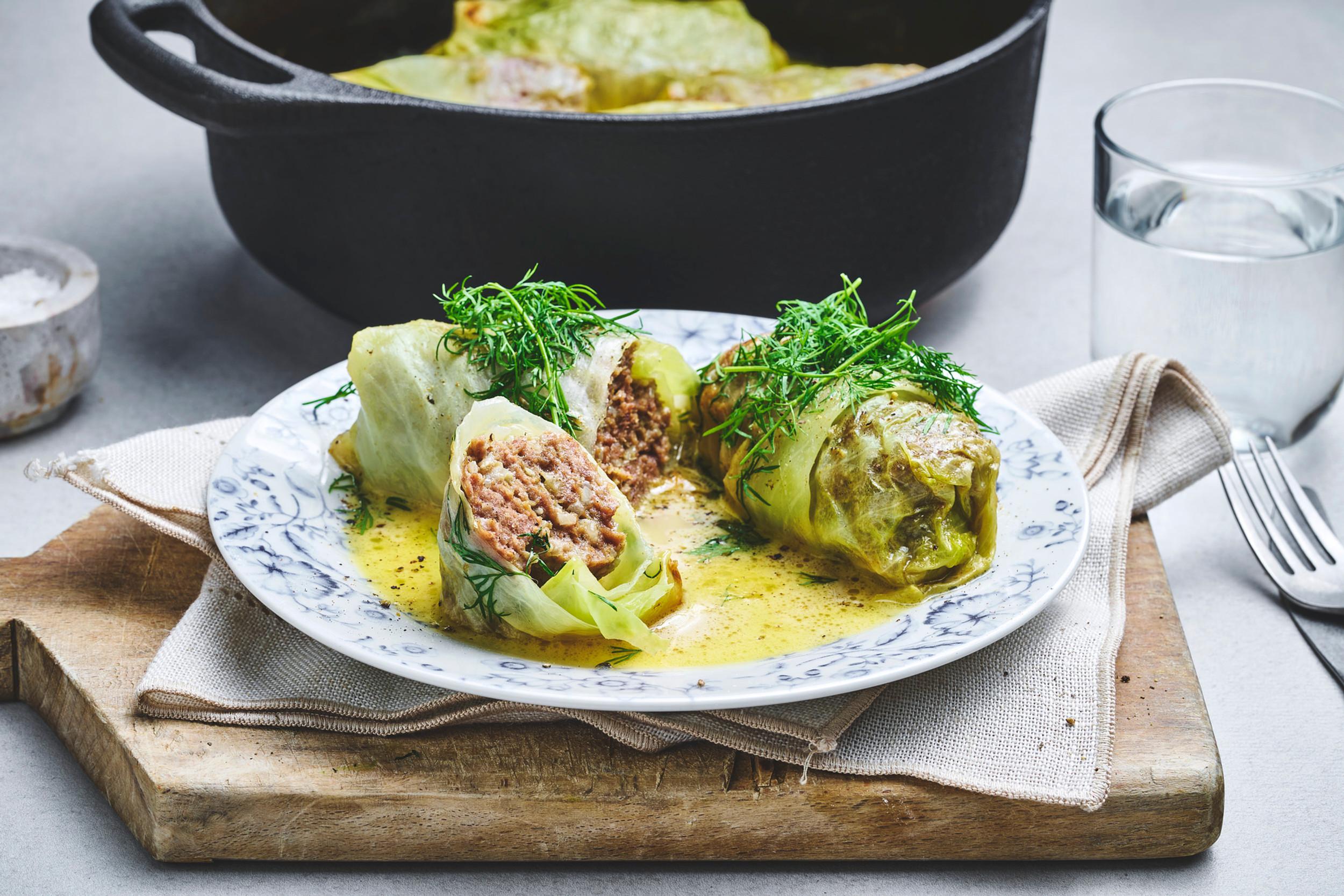
Norwegian Cabbage Rolls, often associated with the traditional dish kålrul, are a comforting Scandinavian meal made with tender cabbage leaves wrapped around a savory filling of seasoned ground meat and rice. The rolls are gently baked or simmered until the cabbage becomes soft and the filling is juicy and flavorful.This hearty Norwegian-style dish brings together simple ingredients in a wonderfully satisfying way.
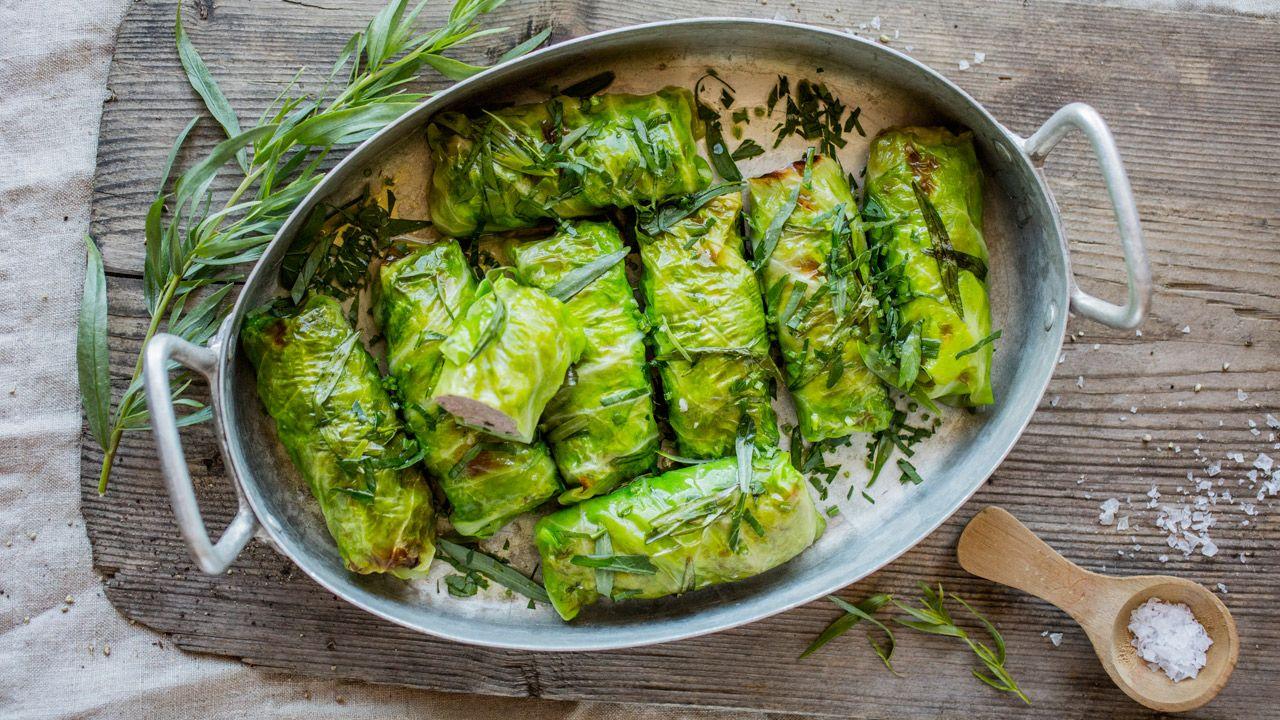
Norwegian Cabbage Rolls:
Ground pork or beef is combined with rice, onion, milk, and gentle seasonings before being wrapped inside blanched cabbage leaves. The rolls are then cooked slowly so the flavors have time to develop.Cabbage rolls are especially comforting during the colder months and make a wonderful family dinner. They can be served with boiled potatoes, a creamy sauce, or a simple Scandinavian-style gravy for a complete and satisfying meal.
History of Norwegian Cabbage Rolls:
Stuffed cabbage dishes have a long history across Northern and Eastern Europe, with many countries developing their own versions based on locally available ingredients. In Scandinavia, cabbage was particularly valuable because it could be stored during the colder months.Norwegian cabbage rolls developed as a practical way to combine cabbage with meat and grains into a filling family meal. Recipes vary between households, with some versions using pork, beef, or a combination of meats, while others differ in their choice of spices and cooking methods.The Norwegian tradition is closely connected with simple, hearty home cooking. The mild seasoning allows the natural flavors of cabbage and meat to remain prominent, creating a comforting dish rather than an intensely spiced one.
Subscribe to our youtube channel Kitchenpedia for more delicious recipes and hit the like button if you enjoyed this youtubevideo. Share it with your friends and Family.
Norwegian Cabbage Rolls

Ingredients
For the Cabbage Rolls
- 1 large green cabbage
- 1 pound (450 g) ground pork
- ½ pound (225 g) ground beef
- ¾ cup cooked white rice
- 1 small onion, finely chopped
- ½ cup whole milk
- 1 teaspoon salt
- ½ teaspoon black pepper
- ¼ teaspoon ground nutmeg
- 2 tablespoons butter
For the Cooking Sauce
- 2 cups beef or chicken broth
- 1 tablespoon butter
- 1 tablespoon all-purpose flour
- ½ cup heavy cream or whole milk
- Salt and black pepper, to taste
For Serving
- Boiled potatoes, optional
- Fresh parsley, chopped
- Lingonberry or cranberry sauce, optional
Instructions
Prepare the Cabbage
- Remove any damaged outer leaves from the cabbage.Carefully cut around the core using a sharp knife.Bring a large pot of salted water to a gentle boil.Place the cabbage into the water and cook for several minutes.As the outer leaves soften, carefully remove them with tongs.Continue until you have approximately 12–16 large cabbage leaves.Place the leaves on a clean kitche
Prepare the Rice
- Cook the rice according to the package instructions.Allow it to cool slightly before mixing it with the meat.Using cooled rice helps prevent the filling from becoming overly soft.
Prepare the Filling
- Place the ground pork and ground beef in a large bowl.Add the cooked rice, chopped onion, egg, milk, salt, black pepper, nutmeg, and allspice if using.Mix gently until all ingredients are evenly combined.Do not overmix, as this can make the filling dense.
Trim the Cabbage Leaves
- Place each cabbage leaf flat on a work surface.If the central rib is very thick, carefully trim or flatten it with a knife.This makes the leaves easier to roll.
Fill the Cabbage Leaves
- Place approximately 2–3 tablespoons of filling near the lower center of each cabbage leaf.Do not overfill because the rice and meat mixture expands slightly during cooking.
Roll the Cabbage
- Fold the sides of the cabbage leaf toward the center.Then roll it firmly from the bottom upward, creating a neat parcel.Place each cabbage roll seam-side down.Repeat with the remaining leaves and filling.
Prepare the Baking Dish
- Preheat the oven to 350°F (175°C).Lightly butter a large baking dish.Arrange the cabbage rolls snugly in the dish with the seam side facing down.
Add the Broth
- Pour the broth around the cabbage rolls.The liquid should come approximately one-third to halfway up the sides of the rolls.Cover the baking dish tightly with aluminum foil.
Bake
- Bake for approximately 50–60 minutes.Remove the foil during the final 10–15 minutes of cooking to allow the cabbage to become lightly golden on top.The filling should be completely cooked and reach a safe internal temperature of 160°F (71°C) for ground meat.
Prepare the Creamy Sauce
- While the cabbage rolls are cooking, melt the butter in a small saucepan.Whisk in the flour and cook for about 1 minute.Gradually whisk in some of the cooking broth.Add the cream or milk and continue whisking until the sauce becomes smooth and lightly thickened.Season with salt and black pepper.
Rest the Rolls
- Remove the cabbage rolls from the oven.Allow them to rest for approximately 10 minutes before serving.This helps the filling settle and makes the rolls easier to handle.
Serve
- Arrange the cabbage rolls on a serving platter.Spoon some of the creamy sauce over the top.Garnish with fresh parsley.Serve with boiled potatoes and a little lingonberry or cranberry sauce if desired.
Notes
- Choose a large cabbage with flexible outer leaves for easier rolling.
- Blanch the cabbage leaves carefully so they become soft without falling apart.
- Use cooled rice when preparing the filling.
- Do not overfill the leaves because the filling expands during cooking.
- Gentle seasoning is traditional-style, allowing the cabbage and meat to remain the main flavors.
- Pork adds richness while beef provides a deeper savory flavor.
- Keep the rolls seam-side down so they remain closed during cooking.
- Allow the rolls to rest before serving for easier handling.
Tips for Norwegian Cabbage Rolls:
- Freeze the cabbage overnight and thaw it before cooking if you want naturally softened leaves without lengthy blanching.
- Trim thick cabbage ribs to make rolling easier.
- Mix the filling gently to keep the meat tender.
- Roll firmly but not excessively tight to leave room for expansion.
- Use enough broth to keep the rolls moist during baking.
- Cover the baking dish well so the cabbage does not dry out.
- Check the internal temperature of the filling before serving.
- Serve with potatoes and creamy gravy for a hearty Scandinavian-style meal.
FAQs for Norwegian Cabbage Rolls:
Q: What are cabbage rolls called?
Norwegian-style cabbage rolls are commonly associated with kålrul, although names and recipes can vary between regions and families.
Q: What meat is best for cabbage rolls?
Ground pork is a popular choice because it produces a juicy and flavorful filling. A combination of pork and beef also works very well.
Q: Can I use only beef?
Yes. Ground beef can be used instead of the pork, although the finished rolls may be slightly less rich.
Q: Do I have to cook the rice first?
Yes, for this recipe the rice is cooked before being added to the filling. This helps ensure that the filling cooks evenly.
Q: Can I make cabbage rolls ahead of time?
Yes. Assemble the rolls and refrigerate them before baking, or cook them completely and reheat them gently before serving.
Q: Can I freeze Norwegian cabbage rolls?
Yes. Allow cooked cabbage rolls to cool completely, place them in an airtight freezer-safe container, and freeze. Thaw them in the refrigerator before reheating.
Q: What should I serve with Norwegian cabbage rolls?
Boiled potatoes, creamy gravy, fresh parsley, and a small amount of lingonberry or cranberry sauce are excellent accompaniments.
Q: Why are my cabbage rolls tough?
The cabbage may not have been softened enough before rolling, or the rolls may need additional cooking time. Slow cooking helps produce tender cabbage.
Conclusion:
Norwegian Cabbage Rolls are a comforting Scandinavian-style meal made with tender cabbage leaves, savory meat, rice, onion, and gentle spices. Slow baking allows the flavors to blend while keeping the filling moist and the cabbage wonderfully tender.Serve these hearty rolls with boiled potatoes, creamy sauce, and a little lingonberry or cranberry accompaniment for a satisfying Norwegian-inspired dinner. They are also excellent for make-ahead meals and family gatherings.