

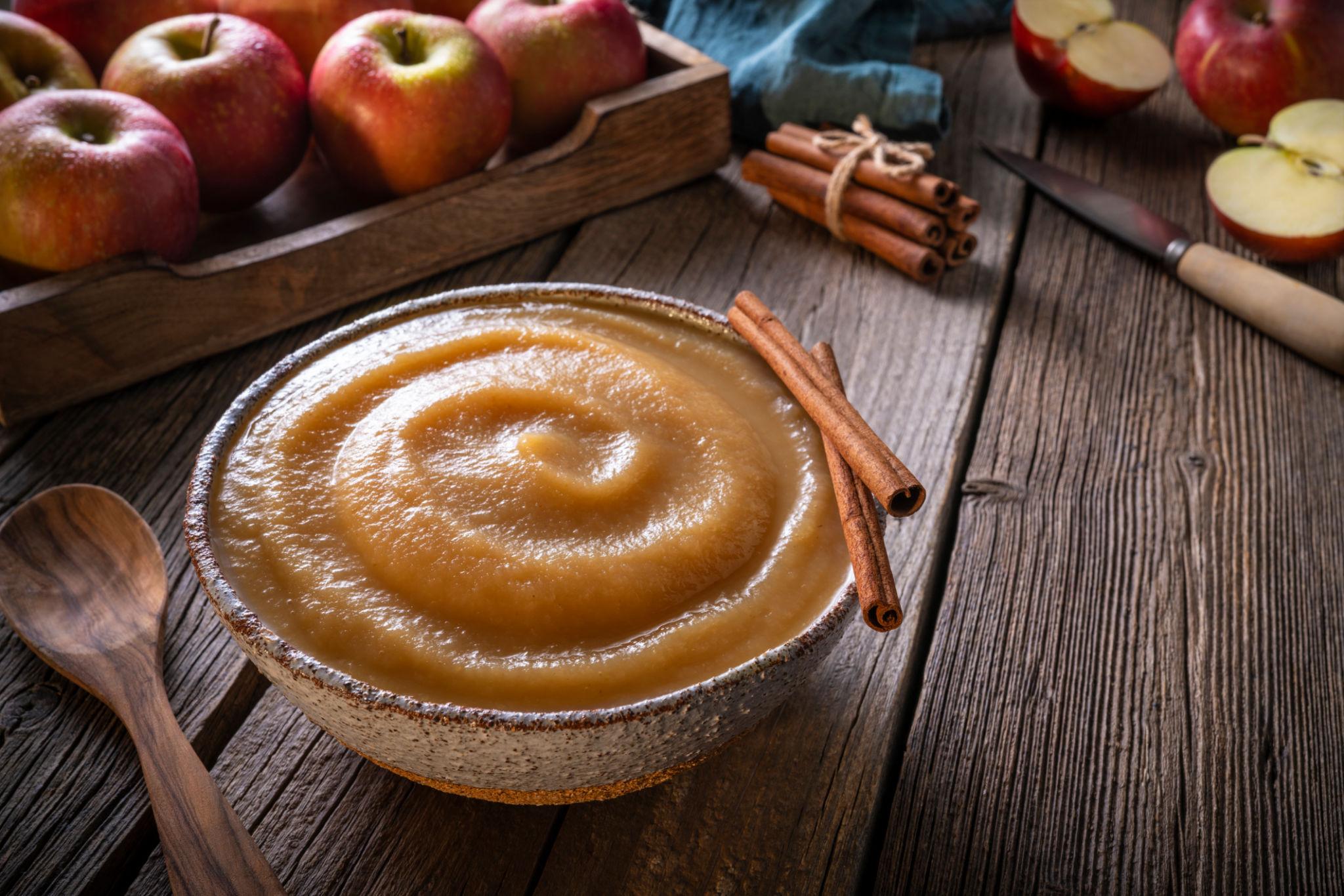
Sarah’s Homemade Applesauce is a simple, comforting recipe that transforms fresh apples into a delicious homemade treat. With tender apples, a little water, optional cinnamon, and a touch of sugar if needed, this recipe delivers the natural sweetness and fresh flavor of apples in every spoonful. Whether you prefer your applesauce smooth and silky or slightly chunky, this easy recipe allows you to create the perfect texture right in your own kitchen.
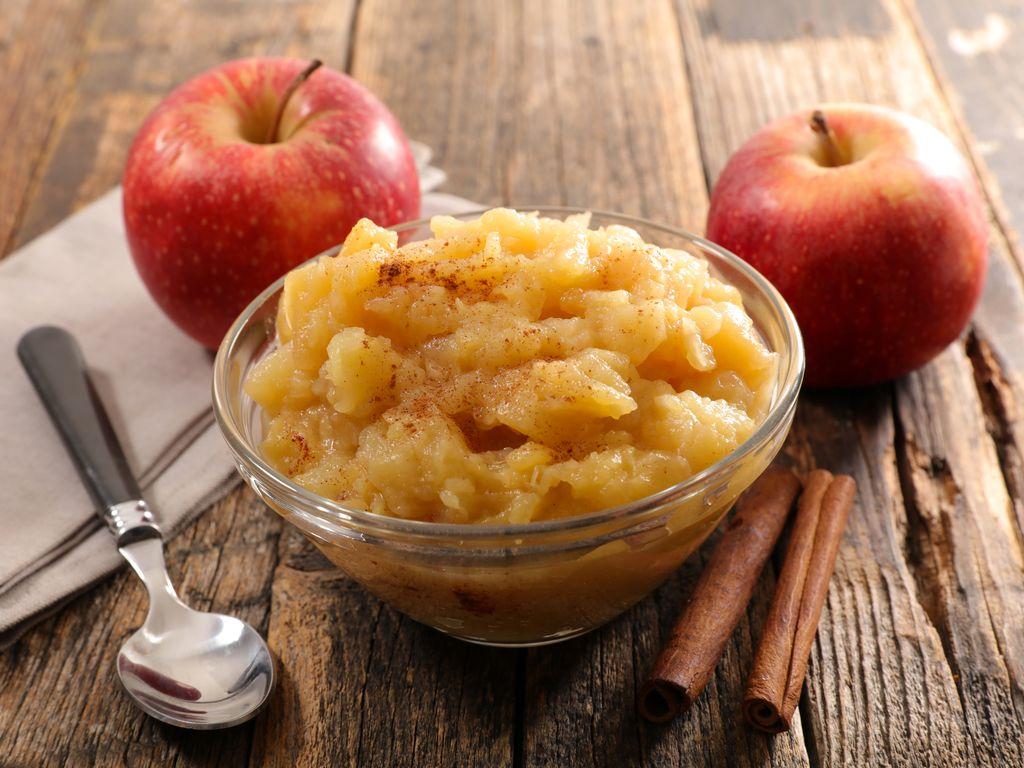
Sarah’s Homemade Applesauce:
One of the best things about homemade applesauce is that it requires only a handful of everyday ingredients. Unlike many store-bought varieties, you can control the sweetness, spices, and consistency yourself. Apples naturally soften as they cook, releasing their juices and creating a flavorful sauce without complicated preparation. A squeeze of lemon juice can brighten the taste, while cinnamon adds a familiar warmth that makes the recipe especially comforting.
Sarah’s Homemade Applesauce is ideal for breakfast, snacks, desserts, and family meals. Serve it chilled in a small bowl, spoon it over oatmeal or pancakes, or enjoy it alongside roasted pork and other savory dishes. It is also a wonderful way to use extra apples during apple season. Once you discover how easy it is to make applesauce from scratch, you may find yourself preparing it regularly.
History of Homemade Applesauce:
Apples have been cultivated for thousands of years and have long played an important role in cooking across Europe, Asia, and North America. Before modern refrigeration, cooking fruit was a practical way to soften apples, preserve their flavor for a short period, and create versatile foods that could accompany both sweet and savory meals.
Applesauce became especially familiar in European and American home cooking, where families prepared it using seasonal apples, water, and sometimes sugar or spices. Recipes varied according to the apple varieties available and individual preferences. Some cooks preferred a smooth puree, while others left small pieces of apple for a rustic texture.
Homemade applesauce remains popular because it is economical, easy to prepare, and adaptable. Sarah’s Homemade Applesauce follows this traditional approach by allowing the natural flavor of apples to shine. Although family versions differ, the basic idea remains timeless: cook fresh apples until tender, adjust the flavor, and enjoy a simple homemade sauce.
Subscribe to our youtube channel Kitchenpedia for more delicious recipes and hit the like button if you enjoyed this youtubevideo. Share it with your friends and Family.
Sarah’s Homemade Applesauce

Ingredients
- 3 pounds (approximately 1.4 kg) apples
- ½ cup water
- 1 tablespoon fresh lemon juice
- ½ teaspoon ground cinnamon, optional
- 1–3 tablespoons granulated sugar, optional
- 1 teaspoon vanilla extract, optional
- A small pinch of salt, optional
Instructions
- Wash the apples thoroughly under running water. Peel them if you prefer a smooth, traditional applesauce, then remove the cores and seeds.Cut the apples into roughly 1-inch pieces. Try to keep the pieces similar in size so they soften evenly during cooking.
- Place the chopped apples in a large, heavy-bottomed saucepan. Add the water and lemon juice, then stir gently.If you enjoy cinnamon applesauce, add the ground cinnamon now. You can leave it out for a plain applesauce with a fresh apple flavor.
- Place the saucepan over medium heat and bring the liquid to a gentle simmer. Once simmering, reduce the heat to medium-low and cover the pot.Cook for approximately 20–30 minutes, stirring occasionally. The apples should become soft enough to break apart easily with a spoon.If the mixture looks dry or begins sticking to the bottom, add a tablespoon or two of water. Avoid adding too much at once, as the apples will release their own juices as they cook.
- Remove the saucepan from the heat once the apples are tender.For chunky applesauce, mash the apples lightly with a potato masher, leaving some small pieces intact. For a smoother consistency, continue mashing until the desired texture is reached.You can also use an immersion blender for a very smooth sauce. Allow the mixture to cool slightly and use care to avoid splashing hot applesauce.
- Taste the applesauce before adding sugar. Depending on the apple varieties, it may already be sweet enough.If needed, stir in 1–3 tablespoons of sugar. You can also add a little more lemon juice to balance the sweetness or a small amount of vanilla extract for a softer, dessert-like flavor.
- If the applesauce is too watery, return the saucepan to low heat and cook uncovered for another 3–5 minutes, stirring frequently.If it is too thick, add a little water until it reaches your preferred consistency.
- Remove the pot from the heat and allow the applesauce to cool. It will thicken slightly as it stands.For a chilled snack, transfer it to a clean container and refrigerate it once it has cooled sufficiently. Avoid leaving cooked applesauce at room temperature for more than two hours.
- Spoon the applesauce into small bowls and serve warm or chilled. Sprinkle a little cinnamon over the top if desired.Enjoy it on its own, spooned over oatmeal, served with pancakes, or paired with a savory dinner.
Notes
-
Use fresh apples: Firm, fresh apples provide the best flavor and texture.
-
Mix apple varieties: Combining sweet and tart apples creates a balanced flavor.
-
Adjust the water carefully: Start with the recommended amount and add more only if necessary.
-
Choose your preferred texture: Mash lightly for a chunky sauce or blend for a smooth finish.
-
Taste before sweetening: Naturally sweet apples may not need additional sugar.
-
Add cinnamon to taste: Cinnamon is optional and can be omitted for a plain version.
-
Stir during cooking: Occasional stirring prevents the apples from sticking or scorching.
-
Cool and refrigerate promptly: Store the finished applesauce safely to maintain its quality.
Tips for Homemade Applesauce:
- Use naturally sweet apples: Fuji and Gala varieties can help reduce the need for added sugar.
- Cut the apples evenly: Uniform pieces cook more consistently.
- Keep the heat low: Gentle simmering helps the apples soften without burning.
- Add lemon juice: A little acidity brightens the flavor and balances sweetness.
- Avoid over-blending: Blend only as much as necessary to achieve your desired texture.
- Experiment with spices: Try a pinch of nutmeg or ground ginger for a different flavor.
- Make a larger batch: Applesauce is convenient to portion and refrigerate or freeze for later.
- Use it in other recipes: Applesauce can add moisture to muffins, quick breads, and cakes when used in a suitable recipe.
FAQs for Homemade Applesauce:
1. Do I need to peel the apples?
No. You can leave the skins on for a more rustic applesauce with additional texture and fiber. However, peeling the apples generally produces a smoother, more traditional result. If you leave the skins on, consider blending the cooked apples thoroughly.
2. Which apples are best for homemade applesauce?
Fuji, Gala, Golden Delicious, McIntosh, and Granny Smith are all useful options. Sweet apples make a naturally sweeter sauce, while tart varieties provide a sharper flavor. A combination of sweet and tart apples works particularly well.
3. Can I make applesauce without sugar?
Yes. The apples provide natural sweetness, so added sugar is optional. Choose naturally sweet apples and taste the sauce after cooking before deciding whether it needs extra sweetener.
4. How do I make applesauce completely smooth?
Cook the apples until very soft, then blend them using an immersion blender or carefully transfer them to a blender suitable for warm foods. Blend until smooth, taking care with hot liquid.
5. Why is my applesauce watery?
The apples may have released more liquid than expected. Simmer the sauce uncovered for a few additional minutes, stirring frequently, until some of the excess moisture evaporates.
6. How long does homemade applesauce last in the refrigerator?
Store it in a clean, airtight container and refrigerate promptly. For best quality and safety, use homemade applesauce within about 5–7 days. Discard it if you notice mold, an unusual smell, or other signs of spoilage.
7. Can I freeze homemade applesauce?
Yes. Allow it to cool, portion it into freezer-safe containers, and leave a little space for expansion. Freeze for up to approximately 3 months for best quality. Thaw in the refrigerator and stir before serving.
8. Can I make this applesauce in a slow cooker?
Yes. Add the chopped apples, water, and lemon juice to the slow cooker. Cover and cook on low for approximately 4–6 hours, checking for tenderness. Cooking time will vary depending on the apple variety and appliance.
9. Can I use applesauce in baking?
Yes. Unsweetened applesauce can replace some of the oil or butter in certain muffins, cakes, and quick breads. However, substitutions can change the texture, so follow a recipe designed for applesauce or adjust gradually.
10. What can I serve with homemade applesauce?
Serve it with oatmeal, pancakes, waffles, yogurt, toast, or baked oatmeal. It also pairs well with pork dishes and can be used as a simple fruit side for family meals.
Conclusion:
Sarah’s Homemade Applesauce is a wonderfully simple recipe that celebrates the natural sweetness and comforting flavor of fresh apples. With just a few ingredients and a saucepan, you can create a delicious homemade sauce that is easy to customize with cinnamon, lemon juice, or a touch of sugar.
Whether you prefer it smooth or chunky, warm or chilled, this versatile recipe works beautifully for snacks, breakfast, baking, and dinner sides. Make a batch when apples are plentiful, store it safely, and enjoy the fresh taste of homemade applesauce throughout the week.