

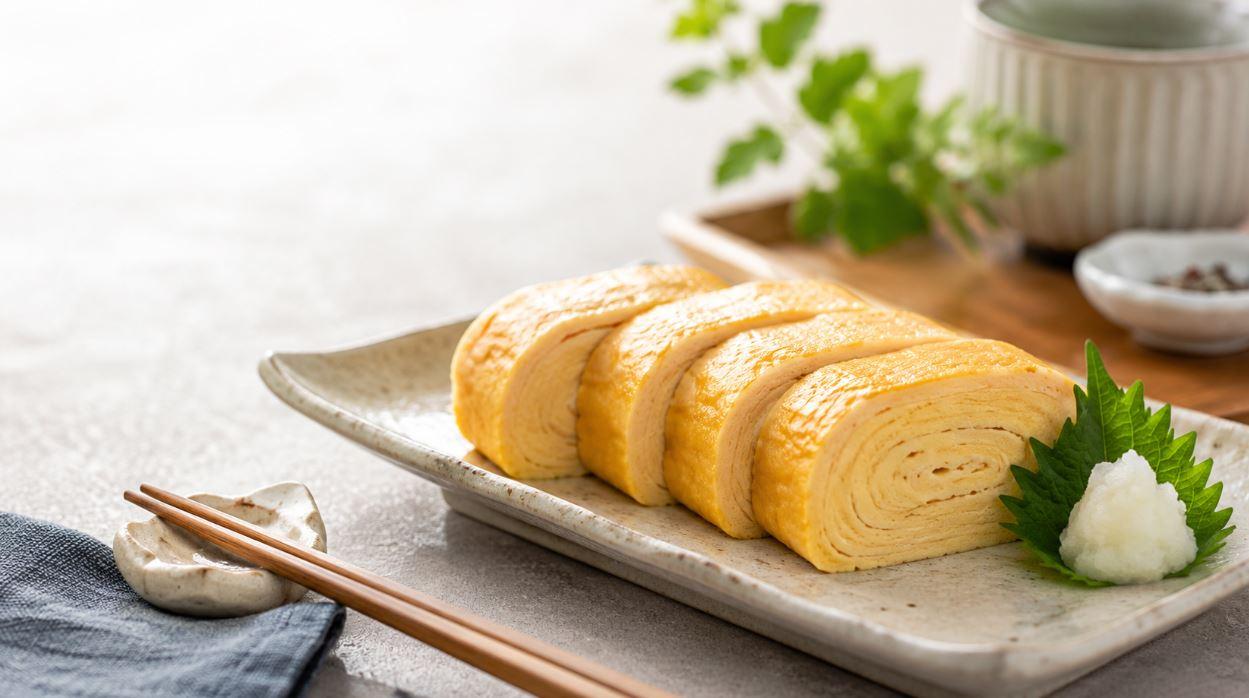
Tamagoyaki is a traditional Japanese rolled omelette known for its delicate layers, soft texture, beautiful golden color, and balanced sweet-and-savory flavor. Made by cooking thin layers of seasoned eggs and rolling them together in a pan, this popular Japanese dish transforms simple ingredients into an elegant and satisfying meal. It is commonly served for breakfast, included in bento lunch boxes, and enjoyed as a side dish or sushi accompaniment.
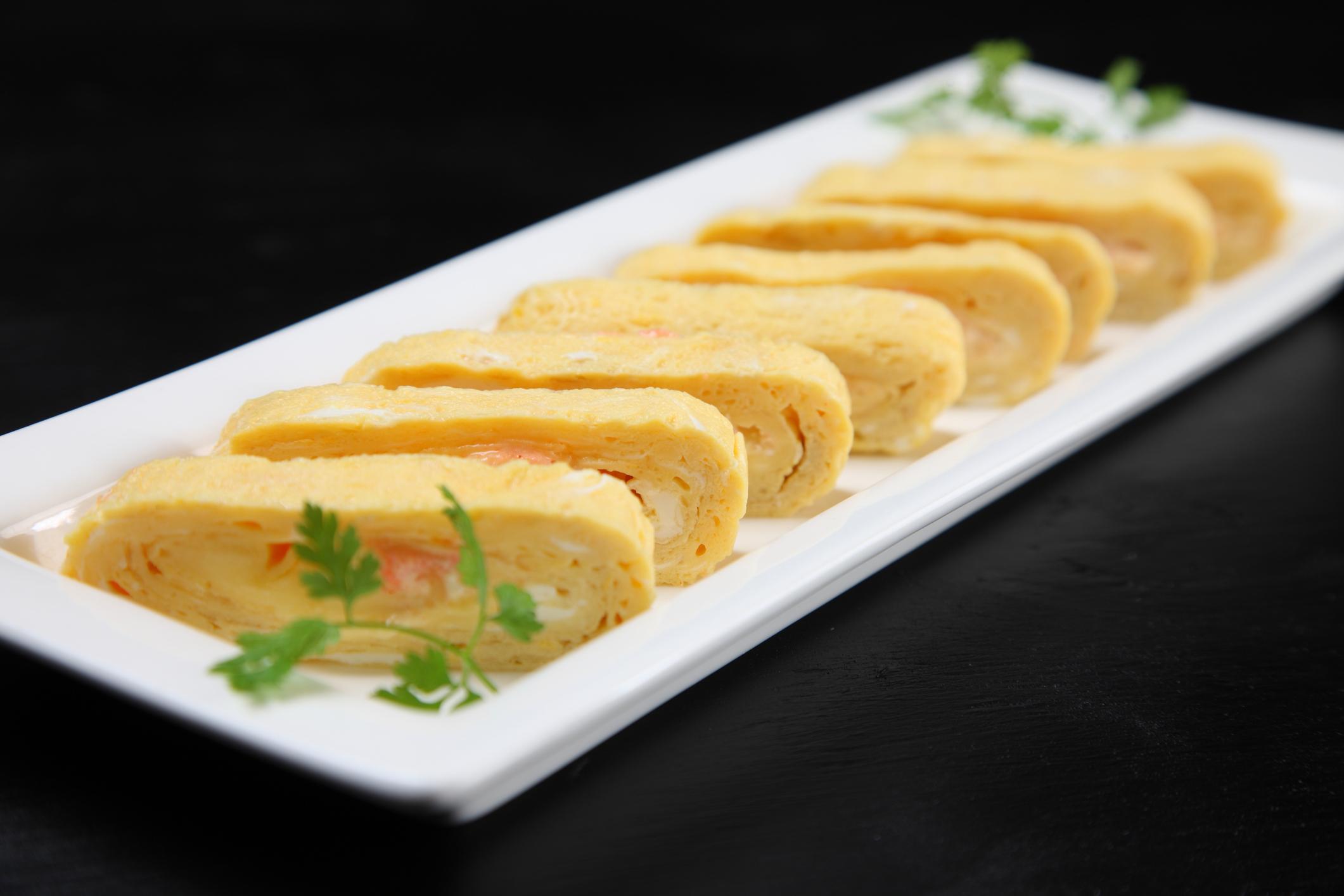
Tamagoyaki:
What makes Tamagoyaki special is its distinctive preparation method. Instead of cooking the eggs all at once, you pour a small amount of egg mixture into a lightly oiled pan, allow it to set, and carefully roll it before adding another layer. Repeating this process creates the characteristic spiral of delicate egg layers. Traditional recipes often include soy sauce, sugar, and dashi, a Japanese stock that gives the omelette a subtle savory depth.
Although Tamagoyaki may look challenging at first, it is surprisingly achievable at home with a little patience and practice. A rectangular Japanese omelette pan is helpful, but an ordinary nonstick frying pan works well too. Whether you prefer a slightly sweet version or a more savory omelette, this easy Tamagoyaki recipe offers a delicious introduction to Japanese home cooking.
History:
Tamagoyaki, which translates to “grilled egg” in Japanese, developed as part of Japan’s long tradition of egg-based cooking. Sweetened and seasoned egg dishes became increasingly popular as ingredients such as sugar became more accessible. Over time, regional variations emerged, with some versions favoring a sweeter taste and others emphasizing savory flavors.The dish is particularly associated with Japanese breakfasts, bento boxes, and sushi restaurants. In sushi preparation, a related egg topping called tamago is often served over seasoned rice. Skilled sushi chefs traditionally take pride in producing a neatly layered, evenly cooked omelette with a delicate texture.Today, Tamagoyaki remains a beloved Japanese dish prepared in homes, restaurants, and lunchboxes worldwide. Its simple ingredients, attractive appearance, and customizable flavor make it an enduring favorite.
Subscribe to our youtube channel Kitchenpedia for more delicious recipes and hit the like button if you enjoyed this youtubevideo. Share it with your friends and Family.
Tamagoyaki

Ingredients
- 4 large eggs
- 1 tablespoon dashi stock or water
- 1 teaspoon soy sauce
- 1–2 teaspoons sugar, adjusted to taste
- 1 teaspoon mirin (optional)
- 1–2 teaspoons neutral cooking oil, such as vegetable or canola oil
- A small pinch of salt, optional
Instructions
- Crack the eggs into a medium-sized bowl. Add the dashi stock, soy sauce, sugar, mirin, and optional salt. Gently beat the mixture with chopsticks or a fork until the yolks and whites are combined.Avoid beating too vigorously, as excessive foam can make the omelette less smooth. For an especially delicate texture, strain the mixture through a fine-mesh sieve.
- Place a rectangular Tamagoyaki pan or a small nonstick frying pan over medium-low heat. Lightly coat the cooking surface with oil using a folded paper towel or a silicone brush.The pan should be warm enough to cook the eggs gently without browning them too quickly. If the pan is too hot, the egg layers may become dry or develop dark spots.
- Pour a thin layer of egg mixture into the pan, tilting it so the egg spreads evenly. If large bubbles appear, gently pop them with chopsticks.When the egg is mostly set but still slightly moist on top, begin rolling it from one side toward the other using chopsticks or a spatula.
- Move the rolled egg to one side of the pan. Lightly oil the exposed cooking surface, then pour in another thin layer of egg mixture.Lift the existing roll slightly so some fresh egg mixture flows underneath it. This helps the new layer attach to the cooked omelette.
- When the second layer is nearly set, roll the existing omelette back across the pan, wrapping it in the new layer. Repeat the process until all the egg mixture has been used.Keep the heat at medium-low and use gentle movements. Small imperfections are completely normal, especially when making Tamagoyaki for the first time.
- Once all the egg mixture has been rolled, cook the omelette briefly on each side to finish setting the layers. If desired, press it gently with a spatula to create a neat rectangular shape.For a more uniform appearance, transfer the warm omelette to a bamboo sushi mat, roll it gently, and allow it to rest for a minute or two.
- Let the omelette rest for a few minutes before slicing it into even pieces. Serve warm or at room temperature with steamed rice, miso soup, pickled vegetables, or a bento lunch.
Notes
- Use fresh eggs: Fresh eggs help produce a pleasant flavor and tender texture.
- Adjust the sweetness: Use one teaspoon of sugar for a less-sweet omelette or two teaspoons for a sweeter version.
- Choose the right pan: A rectangular pan creates a traditional shape, but a nonstick round pan also works.
- Keep the heat low: Gentle heat helps prevent browning and overcooking.
- Use thin layers: Smaller amounts of egg mixture make rolling easier.
- Oil between layers: A lightly oiled surface reduces sticking and tearing.
- Don't wait until completely dry: Rolling while the surface is slightly moist helps the layers adhere.
- Let it rest before slicing: A short resting period helps the omelette hold its shape.
Tips for Tamagoyaki:
- Strain the eggs: For smooth, restaurant-style layers, strain the seasoned mixture before cooking.
- Prepare your tools in advance: Keep your oil, bowl, chopsticks, and spatula close to the stove.
- Test the pan temperature: A small drop of egg should begin to set gently rather than sizzle aggressively.
- Roll with confidence: Use chopsticks or a flexible spatula to guide the roll without pressing too hard.
- Add fresh egg beneath the roll: This small step helps bind each new layer to the existing omelette.
- Wipe away excess oil: A thin, even coating works better than a pool of oil.
- Customize the seasoning: Try finely chopped scallions, a little grated carrot, or a small amount of bonito-based dashi if suitable for your diet.
- Practice makes perfect: The first omelette may not look flawless, but the flavor will still be delicious.
FAQs for Tamagoyaki:
1. What does Tamagoyaki taste like?
Tamagoyaki has a soft, tender texture and a balanced flavor that can be slightly sweet, savory, or both. The exact taste depends on the amount of sugar, soy sauce, and dashi used.
2. Is Tamagoyaki the same as a regular omelette?
No. A regular omelette is usually cooked as one layer and folded once, while Tamagoyaki is made by cooking and rolling several thin layers of seasoned egg.
3. Can I make Tamagoyaki without a rectangular pan?
Yes. A small nonstick round frying pan works well. The finished omelette may be less rectangular, but the layered texture and flavor will be similar.
4. Why is my Tamagoyaki falling apart?
The egg layers may not be adhering properly if the earlier layer is too dry or the new layer is fully cooked before rolling. Try rolling while the egg is still slightly moist on top and ensure that some fresh mixture flows beneath the existing roll.
5. Can I make Tamagoyaki without sugar?
Yes. You can omit the sugar for a more savory version. Add a little extra dashi, scallions, or another suitable seasoning if desired.
6. Can Tamagoyaki be made ahead of time?
Yes. Prepare it ahead and refrigerate it in an airtight container. For food safety, refrigerate cooked eggs within two hours, or within one hour when the ambient temperature exceeds 90°F (32°C).
7. How should I store leftover Tamagoyaki?
Store leftovers in an airtight container in the refrigerator and consume within three to four days. Reheat gently or enjoy chilled in a bento-style meal. Discard it if it has been stored improperly or shows signs of spoilage.
8. What should I serve with Tamagoyaki?
Tamagoyaki pairs beautifully with steamed rice, miso soup, Japanese pickles, grilled fish, vegetables, and sushi. It is also an excellent addition to homemade lunchboxes.
Conclusion:
Tamagoyaki is a beautiful example of how simple ingredients can create a memorable dish. With eggs, a few seasonings, and a little patience, you can prepare a soft, golden Japanese rolled omelette with delicate layers and a delicious sweet-and-savory flavor.Whether served as part of a traditional Japanese breakfast, packed into a lunchbox, or enjoyed as a light snack, this versatile recipe is easy to adapt to your preferences. Start with thin layers, cook gently, and remember that practice will help you achieve a more even roll each time.Try this homemade Tamagoyaki recipe and bring a little Japanese-inspired cooking into your kitchen.