

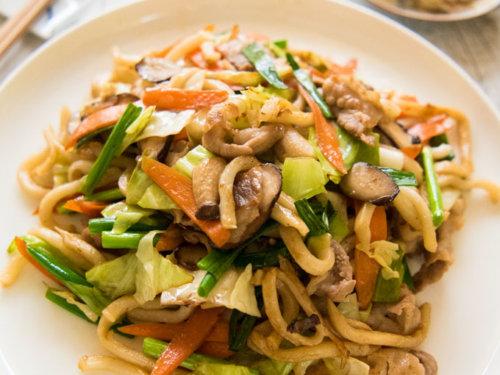
Yaki Udon is a delicious Japanese stir-fried noodle dish made with thick, chewy udon noodles, fresh vegetables, and a flavorful savory sauce. The name comes from the Japanese words yaki, meaning grilled or fried, and udon, referring to the thick wheat noodles used in the dish. With its satisfying texture and rich umami flavor, Yaki Udon is a popular choice for a quick lunch or comforting dinner.
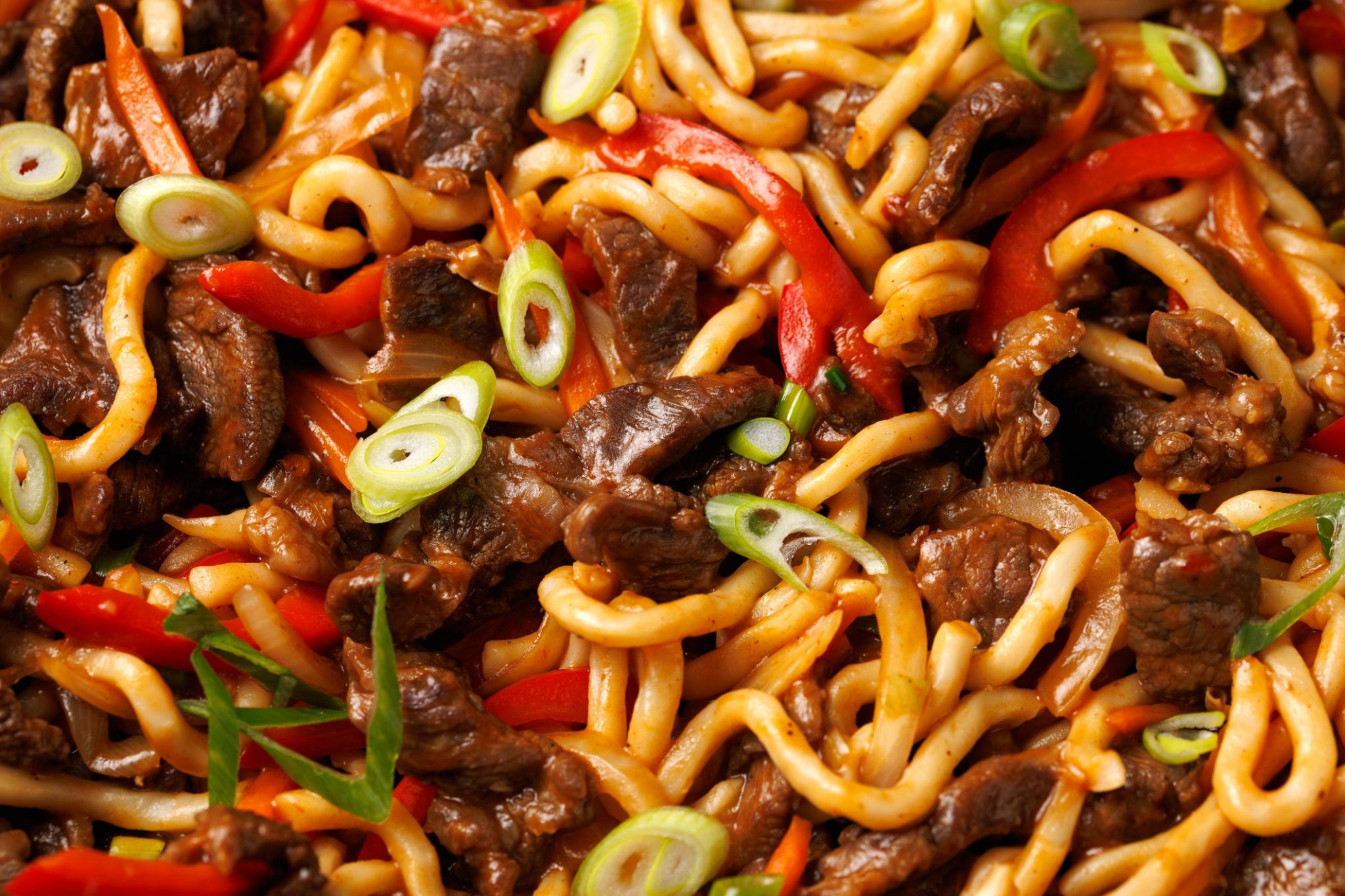
Yaki Udon:
One of the best things about Yaki Udon is its versatility. You can prepare it with cabbage, carrots, mushrooms, onions, and scallions, or add beef, chicken, pork, shrimp, or tofu for extra protein. The sauce typically combines soy sauce, oyster sauce, mirin, and a little sugar, creating a delicious balance of salty, savory, and slightly sweet flavors that coat every noodle.
This easy Yaki Udon recipe brings Japanese-inspired flavors to your kitchen in approximately 25 minutes. It uses simple ingredients, a hot skillet, and a quick stir-frying method to create a satisfying meal without complicated preparation. Serve it fresh from the pan for the best chewy texture and enjoy a homemade version of this comforting Japanese noodle favorite.
History of Yaki Udon:
Udon noodles have a long history in Japanese cuisine and are traditionally made from wheat flour, water, and salt. They are commonly served in soups, chilled noodle dishes, and hot preparations with a variety of toppings.Yaki Udon is a stir-fried variation that became popular as Japanese home cooking and casual dining evolved. Like other Japanese stir-fried dishes, it offers a practical way to combine noodles, vegetables, protein, and seasoning in one pan.Today, Yaki Udon is enjoyed in homes, restaurants, and casual eateries throughout Japan. Different regions and cooks use their own combinations of vegetables, meats, and sauces, making it an adaptable dish that can be customized to suit personal tastes.
Subscribe to our youtube channel Kitchenpedia for more delicious recipes and hit the like button if you enjoyed this youtubevideo. Share it with your friends and Family.
Yaki Udon

Ingredients
For the Noodles
- 400 g fresh or vacuum-packed udon noodles
- 1 tablespoon neutral cooking oil
- 1/2 medium onion, thinly sliced
- 2 cups green cabbage, thinly sliced
- 1 medium carrot, cut into thin matchsticks
- 1 cup mushrooms, sliced
- 2 scallions, cut into short lengths
- 2 cloves garlic, minced
- 1 teaspoon freshly grated ginger
For the Yaki Udon Sauce
- 2 tablespoons soy sauce
- 1 tablespoon oyster sauce
- 1 tablespoon mirin
- 1 teaspoon sugar
- 1 teaspoon rice vinegar, optional
- 2 tablespoons water, as needed
- 1/4 teaspoon freshly ground black pepper
For Garnishing
- 1 teaspoon toasted sesame seeds
- Extra sliced scallions
- Pickled ginger, optional
- Shichimi togarashi or chili flakes, optional
Instructions
- Prepare the udon noodles according to the package instructions. Fresh or vacuum-packed noodles may only need brief warming in hot water to loosen them.Drain thoroughly and gently separate the strands with chopsticks or a fork. Avoid overcooking because the noodles will cook again in the skillet.If using frozen udon, follow the package instructions to thaw or heat it before stir-frying.
- In a small bowl, combine the soy sauce, oyster sauce, mirin, sugar, rice vinegar, water, and black pepper.Stir until the sugar dissolves. Taste the sauce and adjust the sweetness or saltiness according to your preference.Keep the sauce near the stove so it can be added quickly during stir-frying.
- Thinly slice the onion and cabbage. Cut the carrot into matchsticks and slice the mushrooms.Mince the garlic, grate the ginger, and cut the scallions into short pieces.Preparing all the ingredients before heating the pan makes stir-frying easier because the cooking process moves quickly.
- If adding beef or chicken, heat a little oil in a large skillet or wok over medium-high heat.Add the thinly sliced protein and stir-fry until browned and cooked through. Chicken should reach an internal temperature of 74°C (165°F). Transfer the cooked protein to a clean plate.For shrimp, cook until opaque and firm. For tofu, cook until lightly golden on the outside.
- Add the remaining oil to the skillet if needed.Add the onion and carrot and stir-fry for 2 minutes. Add the mushrooms and cook for another 2 minutes until they begin to soften.Stir in the garlic and ginger, followed by the cabbage. Cook for another 2–3 minutes, tossing frequently, until the vegetables are tender but still slightly crisp.
- Add the prepared udon noodles to the skillet. Use tongs or chopsticks to toss them gently with the vegetables.If the noodles stick together, add a tablespoon of water and separate them carefully. Avoid stirring too aggressively, as udon noodles can break.
- Pour the prepared sauce over the noodles and toss well to coat every strand.Return the cooked protein to the skillet if using. Stir-fry for another 1–2 minutes until everything is heated through and the sauce lightly coats the noodles.Taste and adjust the seasoning if necessary. Add a little water if the mixture looks dry, or allow it to cook briefly longer if you prefer a more concentrated sauce.
- Turn off the heat and add the scallions.Divide the Yaki Udon between two serving bowls. Sprinkle with toasted sesame seeds and additional scallions.For extra flavor, serve with pickled ginger or a small pinch of chili seasoning. Enjoy immediately while the noodles are hot and chewy.
Notes
-
Choose the right noodles: Fresh, frozen, or vacuum-packed udon noodles are suitable. Follow the package instructions before stir-frying.
-
Avoid overcooking: Udon noodles should remain chewy rather than soft or mushy.
-
Prepare everything first: Stir-frying happens quickly, so slice the vegetables and mix the sauce before heating the pan.
-
Use high heat carefully: Medium-high to high heat helps vegetables develop flavor without becoming watery.
-
Do not overcrowd the pan: Use a large skillet or cook in batches to maintain good heat.
-
Adjust the sauce: Soy sauce and oyster sauce can be salty, so taste before adding extra seasoning.
-
Keep the vegetables slightly crisp: A little texture makes the dish more enjoyable.
-
Serve immediately: Yaki Udon tastes best straight from the skillet while the noodles are hot and springy.
Tips for Yaki Udon:
- Use frozen udon for convenience: Frozen Japanese udon often has an excellent chewy texture and is easy to prepare.
- Cut vegetables evenly: Similar-sized pieces cook at a similar rate.
- Add protein for a complete meal: Beef, chicken, shrimp, or tofu all work well.
- Try shiitake mushrooms: Their earthy flavor complements the savory sauce.
- Add a touch of sweetness: A little mirin or sugar balances the saltiness of the soy sauce.
- Use tongs for tossing: Tongs make it easier to coat the noodles without breaking them.
- Customize the heat: Add chili flakes or Japanese shichimi togarashi for a spicy version.
- Keep leftovers refrigerated: Store in an airtight container within two hours and consume within 3–4 days. Reheat thoroughly, adding a splash of water to loosen the sauce.
FAQs for Yaki Udon:
1. What does Udon mean?
Yaki Udon means stir-fried or grilled udon noodles. The word yaki refers to a cooking method involving grilling or frying, while udon refers to thick Japanese wheat noodles.
2. What noodles should I use for Udon?
Fresh, frozen, or vacuum-packed udon noodles are ideal. Their thick, chewy texture holds up well during stir-frying. If unavailable, another thick wheat noodle can be used, although the texture will differ.
3. Can I make Udon vegetarian?
Yes. Replace oyster sauce with vegetarian mushroom sauce or another vegetarian stir-fry sauce. Use tofu, mushrooms, or additional vegetables instead of meat.
4. Can I make Udon without oyster sauce?
Yes. Substitute vegetarian mushroom sauce or a small amount of extra soy sauce with a little sugar. The flavor will not be identical, but it will still be delicious.
5. Which vegetables are best for Yaki?
Cabbage, carrots, onions, mushrooms, and scallions are excellent choices. Bell peppers, bok choy, bean sprouts, and broccoli can also be included.
6. Can I add meat to Udon?
Absolutely. Thinly sliced beef, chicken, pork, or shrimp are common choices. Cook the protein safely before combining it with the noodles and vegetables.
7. Why are my udon noodles sticking together?
Udon noodles naturally stick when packed or chilled. Loosen them according to the package directions and drain them well. A small splash of water in the skillet can help separate them during stir-frying.
8. Is Yaki Udon spicy?
Traditional-style Yaki Udon is not necessarily spicy. You can make it spicy by adding chili flakes, fresh chilies, or Japanese chili seasoning.
9. Can I prepare Yaki Udon ahead of time?
You can prepare the vegetables and sauce ahead of time. For the best noodle texture, cook the dish shortly before serving. Leftovers can be refrigerated and reheated, though the noodles may soften slightly.
10. What can I serve with Yaki Udon?
Yaki Udon can be served as a complete meal on its own. It also pairs well with miso soup, edamame, Japanese cucumber salad, gyoza, or a light vegetable side dish.
Conclusion:
Yaki Udon is an easy and satisfying Japanese noodle dish that brings together thick, chewy udon noodles, colorful vegetables, and a savory sauce in one pan. Its balance of soy sauce, mirin, and oyster sauce creates a delicious umami flavor, while the quick stir-frying method keeps the vegetables fresh and the noodles pleasantly chewy.Whether you prepare it as a vegetarian meal or add beef, chicken, shrimp, or tofu, this versatile recipe is ideal for busy weeknights and homemade Japanese-inspired dinners. Gather your ingredients, heat your skillet, and enjoy a comforting bowl of freshly made Yaki Udon.