

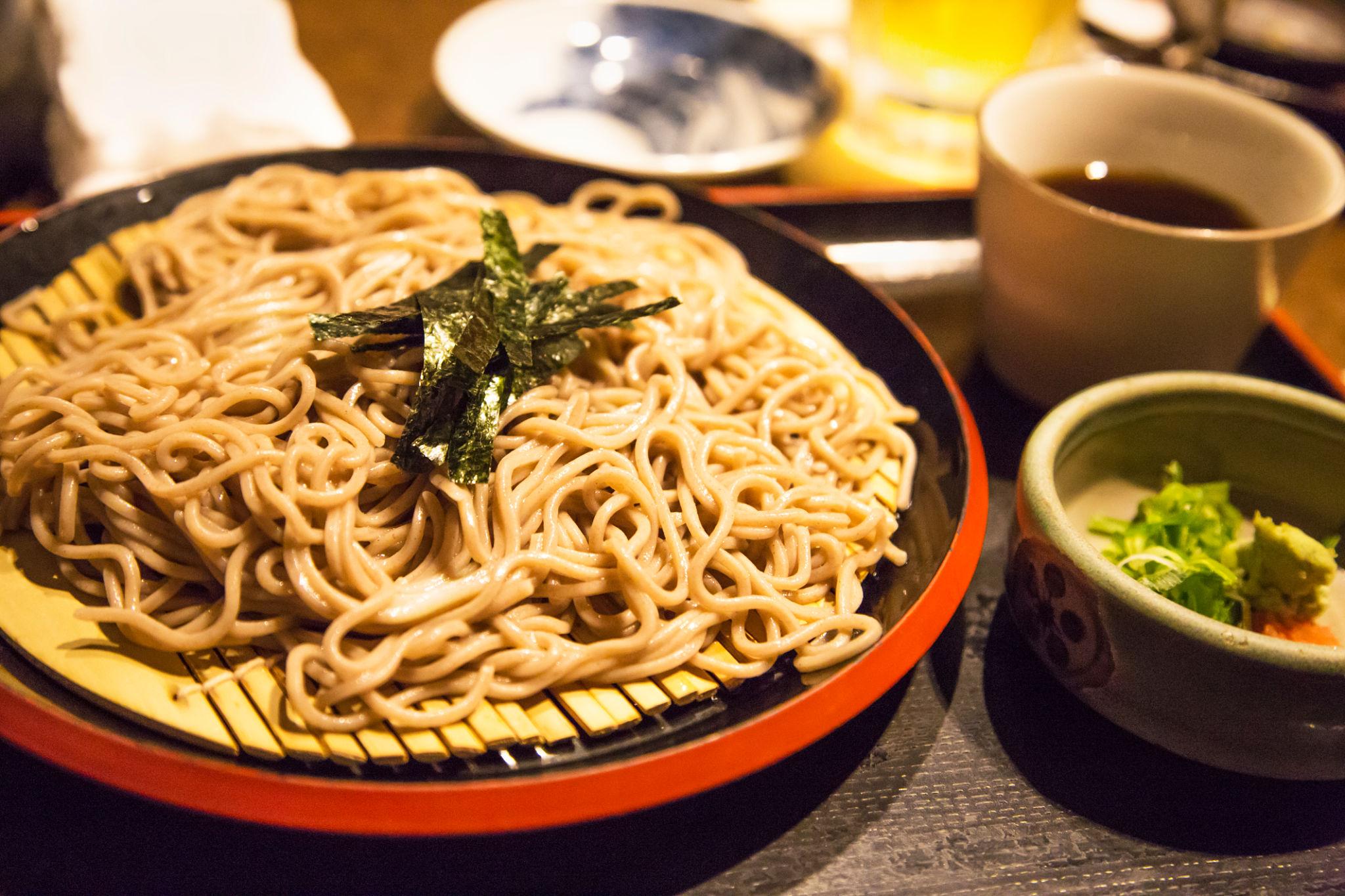
Zaru Soba is one of Japan’s most beloved traditional noodle dishes, celebrated for its simplicity, elegance, and refreshing taste. Served cold on a bamboo tray called a “zaru,” these thin buckwheat noodles are accompanied by a savory dipping sauce known as tsuyu. The dish is especially popular during warm summer months when diners seek light yet satisfying meals.What makes Zaru Soba truly special is its focus on high-quality ingredients and minimal preparation.
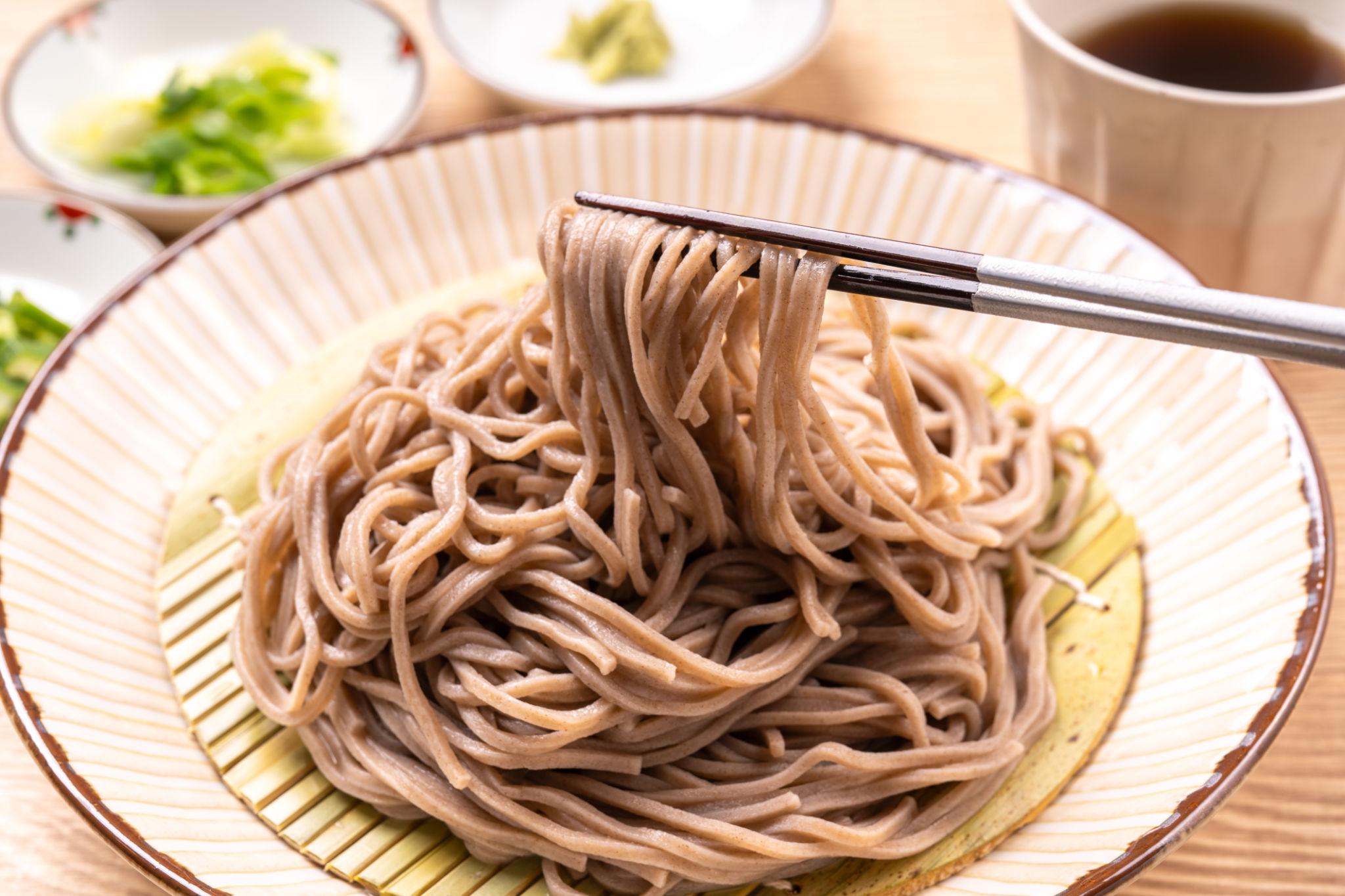
Zaru Soba:
The nutty flavor of buckwheat noodles pairs beautifully with the umami-rich dipping sauce, creating a balanced and refreshing culinary experience. Garnishes such as sliced green onions, grated wasabi, and shredded nori seaweed further enhance the flavor profile.Today, Zaru Soba is enjoyed not only throughout Japan but also around the world by food enthusiasts who appreciate authentic Japanese cuisine. Its combination of nutrition, simplicity, and delicate flavors makes it a timeless dish suitable for both casual lunches and elegant meals.
History:
The origins of soba noodles date back to the Edo period (1603–1868) in Japan. During this era, buckwheat became widely cultivated and transformed into noodles that quickly gained popularity among common people due to their affordability and nutritional value.The term “Zaru Soba” emerged when soba noodles began being served on woven bamboo trays known as zaru. Initially, the dish was enjoyed plain with a dipping sauce, allowing the natural flavor and texture of the noodles to shine. Over time, regional variations developed, but the classic preparation remains largely unchanged.
Subscribe to our youtube channel Kitchenpedia for more delicious recipes and hit the like button if you enjoyed this youtubevideo. Share it with your friends and Family.
Zaru Soba: The Ultimate Traditional Japanese Chilled Buckwheat

Ingredients
For the Soba Noodles
- 8 oz (225g) soba noodles
- Ice water for chilling
For the Tsuyu Dipping Sauce
- ½ cup dashi stock
- ¼ cup soy sauce
- 2 tablespoons mirin
- 1 teaspoon sugar
Garnishes
- 2 green onions, finely sliced
- 1 teaspoon wasabi
- 2 tablespoons shredded nori seaweed
- Toasted sesame seeds (optional)
Instructions
- Combine dashi stock, soy sauce, mirin, and sugar in a saucepan. Heat gently until the sugar dissolves. Allow the sauce to cool completely.
- Boil the soba noodles according to package instructions until tender.
- Drain and rinse the noodles under cold running water to remove excess starch.
- Place the noodles in ice water for several minutes to achieve a firm, refreshing texture.
- Drain thoroughly and arrange neatly on a bamboo zaru tray or serving plate.
- Serve with the chilled dipping sauce and garnishes on the side.
- Dip small portions of noodles into the tsuyu before eating.
Notes
- Authentic soba contains a significant percentage of buckwheat flour.
- Proper rinsing improves noodle texture considerably.
- Chilling enhances the refreshing character of the dish.
- Homemade tsuyu offers superior flavor.
- Fresh wasabi provides the best taste experience.
- High-quality dashi is essential for authentic flavor.
- Zaru Soba is traditionally eaten cold.
- The dish can be served with tempura as a complete meal.
Tips for Zaru Soba:
- Use ice water immediately after cooking for optimal texture.
- Avoid overcooking the noodles.
- Prepare the dipping sauce ahead of time.
- Garnish generously with nori for extra flavor.
- Serve on a bamboo tray for authenticity.
- Keep the noodles dry after chilling.
- Use chopsticks to maintain traditional presentation.
- Consume soon after preparation for best results.
FAQs for Zaru Soba:
1. What is Zaru Soba?
Zaru Soba is a Japanese dish consisting of chilled buckwheat noodles served with a savory dipping sauce.
2. Is Zaru Soba served hot or cold?
It is traditionally served cold.
3. What is tsuyu sauce?
Tsuyu is a Japanese dipping sauce made from dashi, soy sauce, and mirin.\
4. Is Zaru Soba healthy?
Yes, it is generally low in fat and contains nutrients from buckwheat.\
5. Can I make it gluten-free?
Some soba noodles are 100% buckwheat and gluten-free, but always check packaging.
6. What can I serve with Soba?
Tempura, grilled fish, or Japanese pickles are popular accompaniments.
7. Why are the noodles rinsed after cooking?
Rinsing removes excess starch and improves texture.
8. Can I prepare Zaru in advance?
You can prepare the sauce ahead, but the noodles are best served fresh.
9. What does buckwheat taste like?
Buckwheat has a mild, earthy, and slightly nutty flavor.
10. Is Zaru suitable for summer?
Yes, it is one of Japan’s most popular summer dishes.
Conclusion:
Zaru beautifully embodies the essence of Japanese cuisine through its simplicity, freshness, and respect for quality ingredients. The chilled buckwheat noodles, paired with flavorful tsuyu dipping sauce and traditional garnishes, create a meal that is both satisfying and refreshing. Whether enjoyed as a quick lunch on a hot day or as part of a traditional Japanese feast, Zaru Soba offers a unique culinary experience that highlights centuries of Japanese food culture. Its health benefits, elegant presentation, and delightful flavors ensure that it remains a favorite among food lovers worldwide.